As California’s aggressive climate push closes refineries and risks blackouts, critics warn the state’s energy experiments could soon cripple military readiness and jeopardize national security.
Story Snapshot
- Newsom’s energy mandates drive refinery closures and grid instability, raising military reliability concerns
- California faces risk of blackouts and fuel price spikes as fossil fuel production is phased out
- Bipartisan legislative packages claim to lower costs but critics highlight threats to jobs and security
- Official data confirms rapid clean energy growth, but critics say military bases could be left in the dark
Newsom’s Energy Policies: A Threat to Reliability and Security
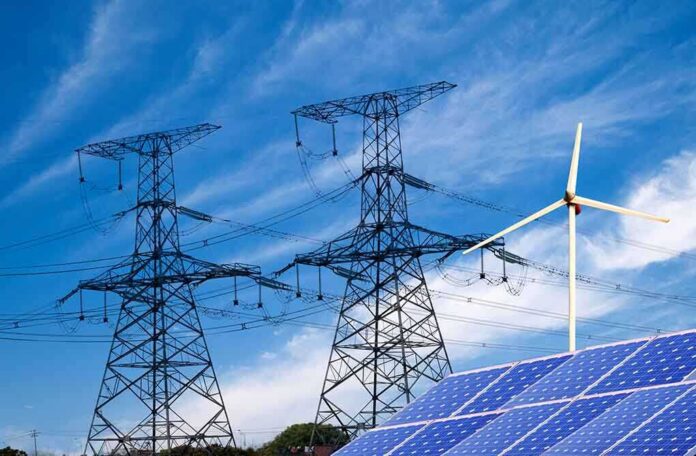
California’s recent energy overhaul, led by former Governor Gavin Newsom, has prioritized rapid expansion of renewables and pushed strict limits on fossil fuels. Since 2019, the state has enacted sweeping reforms—extending cap-and-trade, mandating electric vehicles, and fast-tracking clean energy projects. While these moves were hailed by climate activists, they have led to the closure of oil refineries, especially in Kern County, and triggered warnings about the stability of California’s energy grid. Critics argue these measures are destabilizing the power supply and increasing the risk of rolling blackouts, especially during periods of high demand or wildfire threats.
September 2025 brought a bipartisan energy package touted as a solution for ballooning electricity bills and gasoline prices. Billions were earmarked for energy affordability, wildfire mitigation, and battery storage. State officials promised “the strongest energy affordability solutions Californians have seen in years.” However, behind these assurances lies a stark reality: by early 2026, California is projected to lose 20% of its remaining refining capacity. This reduction, driven by policies restricting oil production, could lead to fuel shortages, price spikes, and further strain on a grid already stretched thin by the retirement of fossil fuel plants.
Military Readiness at Risk Amid Grid Instability
California’s military installations are major energy consumers and depend on a stable, affordable power supply to maintain operational readiness. As the state’s grid becomes more reliant on intermittent renewables and imported electricity, defense experts warn of increased vulnerability. Blackouts or sudden price hikes could disrupt base operations or critical communications. Critics highlight that military bases, as federal entities, are at the mercy of state infrastructure for their energy needs. If grid instability continues or worsens, national security could be put at risk, making California’s energy policies not just a regional issue, but a matter of national defense.
While the state claims record growth in battery storage and clean energy leadership, actual readiness for a fully renewable grid remains unproven. Past incidents—such as blackouts during heatwaves and wildfire seasons—demonstrate the risks of insufficient backup capacity. The looming closure of refineries also raises questions about fuel availability for both civilians and the military in emergencies. Industry leaders and some legislators have raised alarms, arguing that California’s approach sacrifices practical reliability and jobs for political climate goals.
Economic Fallout: Jobs Lost and Debates Intensify
Beyond security, the economic impact of these policies is already being felt. The oil industry, once a backbone of California’s economy, faces job losses and shrinking market share. Communities reliant on refining and related sectors are bracing for layoffs and economic upheaval. Clean energy advocates point to job creation in renewables, but these gains may not offset losses in traditional energy sectors. Meanwhile, the political debate has grown more heated, with state officials defending their climate record as critics press for a balance between environmental ambition and practical energy needs.
Newsom's war on energy is crippling California and undermining our military https://t.co/806gamlkvd #FoxNews
— Carsley Golf (@CarsleyGolf) November 24, 2025
Despite assurances from state leaders about lower utility bills and stabilized gasoline markets, skepticism remains high among conservatives, business groups, and military analysts. Many see the current trajectory as a cautionary tale about the dangers of prioritizing ideology over infrastructure. As the debate continues, the real-world impacts—on California’s grid, economy, and national security—will serve as a critical test of the state’s energy experiment and a warning for the rest of the nation.
Sources:
Newsom’s war on energy is crippling California and undermining our military
Gavin Newsom energy affordability package
Governor Newsom signs executive order to accelerate projects at risk losing IRA support
Newsom climate, energy overhaul laws