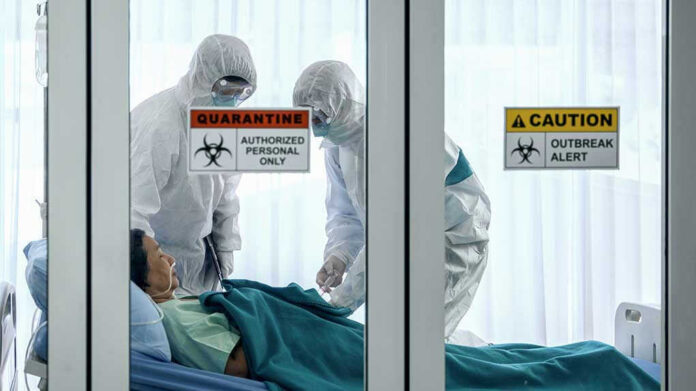
As a fast-growing measles outbreak in Upstate South Carolina sends hundreds into quarantine, families are left wondering whether government mismanagement and mixed public‑health messaging have once again put their kids’ health and schooling at risk.
Story Snapshot
- South Carolina’s Upstate region now faces 111 outbreak-linked measles cases and 254 people in quarantine.
- Most infections are in unvaccinated school‑age children, driving major disruption for families and classrooms.
- Church gatherings and school settings have become key exposure sites, prompting aggressive quarantine orders.
- The outbreak reopens hard questions about trust in public health, personal responsibility, and government overreach.
Rapidly Escalating Outbreak in Conservative Upstate Communities
South Carolina’s Department of Public Health has confirmed that a measles outbreak centered in the Upstate region has climbed to 111 epidemiologically linked cases, with 114 cases statewide so far this year. Officials report 27 new cases in just a few days, a sharp jump that underscores how quickly measles can move through tight-knit communities. Families who thought measles was a disease of the past are now dealing with quarantines, school notices, and renewed pressure to comply with state health directives.
State data show that 254 people are currently in quarantine and 16 are in isolation, a striking number for a single regional outbreak. Many of those quarantined are children who were exposed at school, church, or in their own homes. Parents are scrambling to arrange childcare, miss work, and keep kids caught up on schoolwork, all while trying to get straight answers from officials whose credibility was badly damaged during the COVID years of mandates, mixed messaging, and ever-shifting rules.
Schools, Churches, and the Strain on Everyday Family Life
Inman Intermediate School has been identified as a major exposure site, with at least 43 students currently quarantined after confirmed contact with measles cases. Those students are expected to return only after completing their quarantine without symptoms, creating long stretches away from the classroom. Parents in the Upstate region, already weary from past remote‑learning nightmares, now see a familiar pattern: kids stuck at home, routines upended, and little accountability from the bureaucracies that set these policies but never bear the cost.
The Way of Truth Church in Inman has also been highlighted as a key exposure site, linked to 16 of the 27 most recently reported cases. Church communities in conservative areas often function as the backbone of family and civic life, so any public-health focus on these gatherings hits especially hard. Congregations must now weigh how to continue worship and fellowship while dealing with outside scrutiny, media framing, and fears that health agencies will unfairly target religious gatherings for restrictions if case counts continue to climb.
Unvaccinated Children, Parental Choice, and Government Pressure
Health officials report that the overwhelming majority of cases in this outbreak are among unvaccinated children ages 5 to 17, with 105 of the 111 outbreak‑linked patients having received no measles vaccine at all. That reality points to a serious pocket of under‑vaccination in the Upstate and raises tough questions for parents about balancing their skepticism of government and big‑pharma messaging with the practical reality of a highly contagious disease. Measles can linger in the air for up to two hours, making shared spaces particularly risky.
For many families, vaccine hesitancy grew after years of politicized COVID policies, censorship of dissenting views, and top‑down mandates that ignored local realities. Now those same families face quarantine orders, school exclusions, and strong pressure to vaccinate from the very institutions they no longer trust. Conservatives are rightly asking whether state agencies will respect informed parental choice while providing clear, honest information—or whether fear of losing “elimination” status will drive heavy‑handed tactics that trample family autonomy.
Quarantine Orders, Civil Liberties, and Lessons from Past Overreach
Public health officials have broad authority to impose isolation and quarantine when they deem it necessary, and they are using those powers extensively in this outbreak. Over 250 individuals are sidelined from work, worship, and school based on potential exposure, not confirmed illness. This raises familiar civil‑liberty concerns for conservatives who watched unelected health bureaucrats shut down businesses, churches, and schools during COVID, often with little transparency or meaningful checks on their power.
Hundreds quarantined as SC #measles outbreak accelerates. The outbreak is “accelerating” in the wake of Thanksgiving travel and a lack of vaccinations. Authorities traced a sizable outbreak to a church in Inman, in the state’s northwesthttps://t.co/qkGlIpPM0p
— NCThirdAge (@NCThirdAge) December 11, 2025
Supporters of aggressive measures argue that measles’ extreme contagiousness justifies strong quarantine rules, especially around schools and healthcare facilities. Yet for many in the Upstate, the practical effect is the same: government orders keep healthy people at home, threaten livelihoods, and disrupt core institutions, while the decision‑makers remain insulated from the fallout. Going forward, conservatives will need to insist that any response to outbreaks is tightly focused, time‑limited, transparent, and respectful of constitutional limits and parental rights.
Sources:
TUESDAY MEASLES UPDATE: DPH Reports 27 New Measles Cases in Upstate, Bringing Outbreak Total to 111