

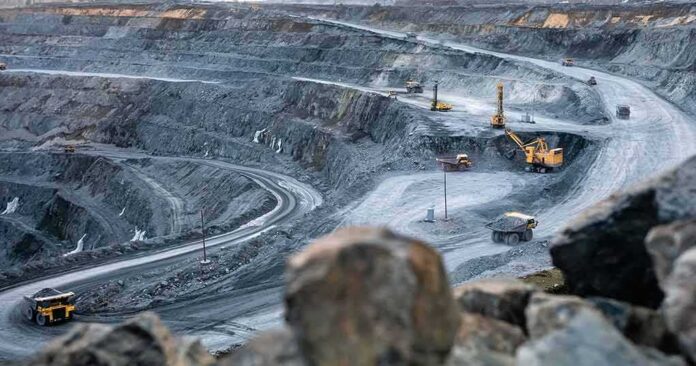
South America’s copper engine is still running, but new accidents, protests, and delays are making the world’s wiring metal harder to bring to market.
Story Highlights
- Peru saw a fatal accident at Antamina and a later strike that halted work.
- Protests in Peru blocked a key road, prompting mine disruption warnings.
- Chile’s state miner Codelco has struggled with output and project delays.
- Chile trimmed near-term output forecasts and pushed back its peak year.
Peru’s Antamina Tragedy and Labor Disruption
On April 22, 2024, a senior operations manager died at Peru’s Antamina copper-zinc mine, and another worker was hurt. Reports state the mine later faced a 23-day labor strike in early 2025 that interrupted operations. Antamina is one of the largest copper assets in the country, so any stoppage draws global attention to supply risk. These incidents show how safety failures and labor tensions can shut down even top-tier mines and ripple through shipments and contracts.
Peru also faced transport trouble when protests by informal miners blocked a major road from late June 2025. The route is key for moving supplies and ore in the Andean south. The operators of Las Bambas and Constancia warned the government that the blockade could hit production if it lasted. Company leaders met with Peru’s cabinet chief to find a fix. The talks underscored how local unrest can quickly become a national export risk.
Chile’s Output Setbacks and Shifting Timelines
Chile remains the world’s largest copper producer, but its state company, Codelco, has battled falling ore grades and delays at big mine upgrades. Reuters reported a sharp monthly drop in output this year and raised doubts about end-2025 goals. These problems add pressure to finish long-running projects at Chuquicamata, El Teniente, and other hubs. One firm’s setbacks matter because Codelco anchors Chile’s copper economy and global supply chains.
Chile’s official forecasts now reflect more caution. The Chilean Copper Commission shifted the expected national production peak to 2033 and cut the 2027 outlook. The agency said output would likely stay near current levels for a time, even with many projects moving ahead. That means planned new tons may arrive later than hoped, keeping the market tight if demand stays strong in power grids, vehicles, and data centers.
Permitting Bottlenecks and the Investment Push
Long approval timelines also slow new mines and expansions. One report said permits in Chile can take as long as 12 years in some cases. Chile’s President José Antonio Kast ordered ministers to clear 50 pending claims tied to about 16 billion dollars in projects. Faster reviews could unlock needed supply, but it will still take years to build, hire, and start up complex mines. The clock matters because aging deposits need replacements on a steady schedule.
At the same time, expected demand growth raises the stakes. Analysts cited in recent coverage project copper demand rising from 28 million metric tons in 2025 to 42 million in 2040. Another estimate warns that supply could fall far short by the mid-2030s. Forecasts are not facts, but they frame why delays, strikes, and road blockades hit nerves. When the world needs more copper, every missed quarter starts to count.
Reconciling Rebounds With Structural Strain
Chile’s overall production actually grew about five percent in 2024 to roughly 5.5 million tons, according to public data. A senior official said the country had moved past a downward trend. Those are real gains and reflect project progress and better run rates. Yet they sit beside Codelco’s longer repair list and Chile’s pushback of its peak. Both can be true: near-term rebounds can happen while deeper issues still slow future growth.
The pattern across Peru and Chile looks clear. Safety lapses, labor fights, local protests, and slow permits are not one-off stories. They are repeat risks in a concentrated industry that feeds the electric age. For Americans worried about costs, this matters. Copper goes into homes, cars, phones, power lines, and defense gear. When supply stumbles, prices rise, projects slip, and families pay more while big players argue over blame far from the shop floor.
Why This Matters for Voters and Ratepayers
United States leaders in both parties talk about rebuilding roads, factories, and power grids. All of that needs copper. Yet the United States depends on imports from places like Chile and Peru. When accidents, strikes, or red tape delay mine output, our projects slow and our budgets swell. Voters see bigger bills and missed timelines while agencies, companies, and foreign ministries debate fixes. That gap between promises and delivery fuels today’s anger about elites and broken systems.
Sources:
zerohedge.com, projects.gbreports.com, finance.yahoo.com, reuters.com, mining.com, mining-technology.com
© patriotwise.com 2026. All rights reserved.