

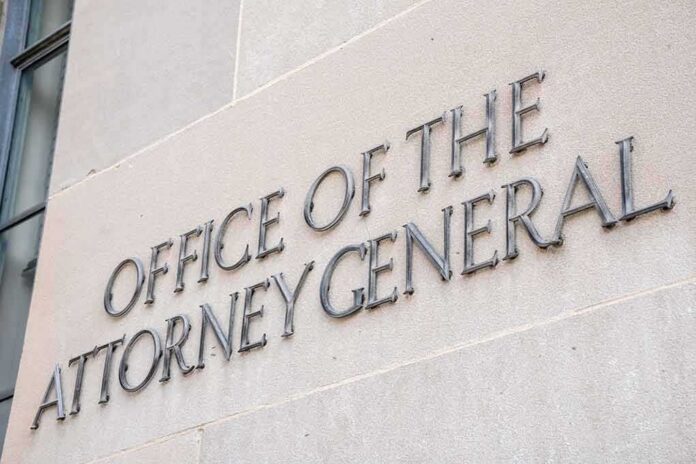
Missouri’s top prosecutor demanded student donor lists to trace possible terror-linked cash flows—and the campus group sued her personally to stop it.
Story Snapshot
- Missouri’s attorney general issued a formal demand for records from Students for Justice in Palestine activity tied to Missouri.
- Mizzou Students for Justice in Palestine, represented by the Council on American-Islamic Relations, sued Catherine Hanaway in federal court.
- The lawsuit claims the demand chills speech and forces exposure of members and donors without proof of wrongdoing.
- Supreme Court precedent requires narrow tailoring for donor disclosure rules to protect First Amendment rights.
What Set Off The Legal Fight
On September 23, 2026, Missouri Attorney General Catherine Hanaway issued a Civil Investigative Demand to the national Students for Justice in Palestine. The order sought records on activities and fundraising tied to Missouri to trace where money went and how it was raised. Her office framed the request as a consumer protection probe into charitable solicitations. Officials said they aimed to learn whether any dollars could have flowed to groups linked to terrorism.
On November 20, Mizzou Students for Justice in Palestine filed a federal lawsuit against Hanaway in both her official and individual capacities. The complaint argues the student group is separate from the national network and that Missouri’s demand sweeps far beyond any specific transaction. The filing says forcing disclosure of donors, members, and even people who interacted with online posts would chill speech and expose supporters to backlash. The Council on American-Islamic Relations announced and supports the case.
How Each Side Frames The Stakes
Attorney General Hanaway’s office says the request targets possible fraud in charitable appeals and seeks to follow the money. The state argues it needs detailed records to confirm whether fundraising pitches matched how funds were used, and to ensure no resources reached banned groups. Public comments report that the organization has not cooperated, which the attorney general cites as a reason to press forward with the inquiry. The office portrays the effort as a standard enforcement step.
Mizzou Students for Justice in Palestine and its counsel paint a different picture. They say the demand punishes protected speech and assembly, not fraud. They argue the group is local, independent, and engaged in campus advocacy, not unlawful financing. Their lawsuit claims Missouri offered no concrete evidence to justify seeking names and contacts of supporters and donors. They call the demand “unlawful and invasive,” designed to reveal identities and deter participation in a controversial cause.
The First Amendment Test Missouri Must Meet
In 2021, the United States Supreme Court ruled that broad donor disclosure rules violate the First Amendment when they are not closely fitted to a valid interest. The case, Americans for Prosperity Foundation v. Bonta, said states must use narrow tools and show a real need for sensitive donor data. The Court found blanket demands can chill speech and association, especially around hot-button causes. That standard will likely guide how the Missouri court reviews Hanaway’s records demand.
The key questions now are concrete. A court will ask whether Missouri’s demand ties to specific fundraising transactions in the state, whether narrower requests could work, and whether disclosure risks outweigh the state’s needs. The judge will also assess the student group’s claim of separation from the national network and whether Missouri targeted the correct entity. The ruling could shape how far state officials can go when advocacy and fundraising overlap on campus.
Why This Matters Beyond One Campus
This clash hits two core American values at once: stopping aid to terrorists and protecting free speech and association. Both parties claim to defend public safety and liberty. Many readers on the right want strict enforcement to prevent funds from flowing to violent groups. Many readers on the left fear the government will use its power to unmask political opponents. Both sides see a system that too often overreaches or looks the other way.
Courts have long warned that forced disclosure can silence people who hold unpopular views. At the same time, regulators need tools to track funds when groups mix advocacy and fundraising. This case will test whether Missouri tailored its demand to a real lead, or cast a net so wide it chills campus speech. However the judge rules, the decision will signal how states can police money flows without crushing the right to speak, gather, and give.
Sources:
zerohedge.com, ago.mo.gov, cair.com, thegatewaypundit.com, bloomministries.org, x.com
© patriotwise.com 2026. All rights reserved.