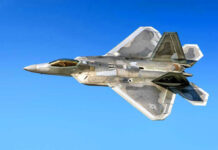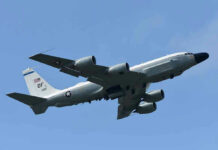

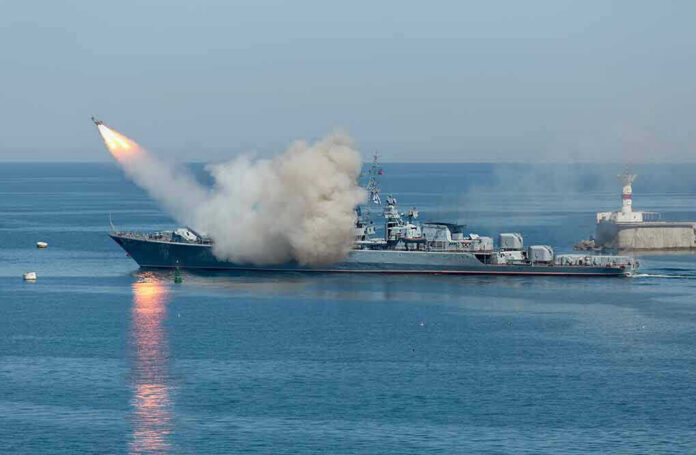
CENTCOM’s newly released strike footage makes one thing unmistakable: the Trump administration is pressing a high-tempo campaign inside Iran that could reshape Middle East security—and test America’s appetite for a prolonged fight.
Story Snapshot
- CENTCOM says U.S. forces are continuing precision strikes “deep inside Iran” under Operation Epic Fury, with new video released March 20, 2026.
- U.S. military updates describe large-scale operations, including thousands of sorties, expanded air superiority, and strikes targeting missile, drone, and naval infrastructure.
- Iran has retaliated across the region, including attacks affecting multiple countries and civilian areas, escalating risk to shipping and energy markets.
- Public reporting indicates Iran’s civilian leadership and Revolutionary Guards may be operating at cross-purposes, complicating prospects for de-escalation.
CENTCOM’s message: the strike campaign is ongoing
U.S. Central Command confirmed March 20 that American forces “continue to degrade Iranian combat capabilities” through strikes on military targets inside Iran, releasing additional video to document the operation. The campaign—publicly identified as Operation Epic Fury—has been framed by CENTCOM as a sustained effort focused on Iranian military infrastructure tied to combat power, rather than a single, limited-response event. The footage and statements signal continued operational momentum.
NEW: U.S. forces continue strikes deep inside Iran, degrading combat capabilities, CENTCOM confirms. pic.twitter.com/o2l0D6095m
— Fox News (@FoxNews) March 20, 2026
Available public details emphasize precision strikes against systems that directly threaten U.S. forces, allies, and shipping—missile networks, defense nodes, and naval assets. What remains less clear from the released material is the full target list, independent battle-damage assessment, and any comprehensive accounting of unintended effects. That gap matters because long campaigns require sustained public confidence, and confidence depends on transparent objectives, measurable outcomes, and credible oversight.
Operational scale: air superiority, naval losses, and strategic nodes
Military briefings referenced in the research describe an operation measured in volume and persistence, including more than 6,000 combat flights and asserted air superiority over Iranian airspace. The same reporting claims over 100 Iranian naval vessels destroyed and highlights strikes on storage sites and factories associated with drones and missiles. A separate focus point is Kharg Island, where a precision strike reportedly destroyed more than 90 military targets.
For Americans wary of endless wars, the operational numbers cut both ways. The scale suggests serious capacity and coordination, but it also hints at a campaign that could stretch beyond a quick punitive action. The best-supported facts in the research show repeated statements of “degrading capability” and repeated actions to do so. Less settled is the administration’s singular end state, because public rationales cited in reporting range from deterrence to nuclear prevention.
Iran’s retaliation expands the risk beyond Iran’s borders
Regional blowback is already part of the story. The research indicates Iran has launched missile attacks affecting at least a dozen countries and used cluster munitions against civilian neighborhoods in Tel Aviv. That kind of retaliation, if sustained, increases pressure on neighboring states and raises the likelihood of broader alignment against Tehran. It also raises direct concerns for energy infrastructure and commercial shipping, especially around the Strait of Hormuz.
Politics and strategy: mixed objectives and the need for clarity
Public reporting summarized in the research notes that administration officials have offered multiple explanations for the operation’s aims, including pre-emption, degrading missile capabilities, preventing a nuclear weapon, securing resources, and even regime change. When war aims multiply, missions tend to expand, and oversight becomes harder. Limited-government conservatives typically prefer clear, narrow objectives tied to protecting Americans and preventing larger threats, not open-ended nation-building.
The research also describes internal Iranian tension: President Pezeshkian reportedly ordered a halt to strikes and issued an apology to neighboring states, yet Revolutionary Guards continued attacks. That split matters because it suggests even a negotiated pause with civilian leadership may not reliably bind the forces actually launching missiles and drones. Without a coherent counterpart, ceasefires become fragile, and U.S. and allied planners may prioritize disabling launch capacity over trusting political statements.
What to watch next: escalation signals, shipping lanes, and verification
Three indicators will shape what comes next. First, watch whether CENTCOM continues releasing frequent strike footage and statements, which would imply sustained tempo and a long operational runway. Second, watch the Strait of Hormuz and surrounding energy facilities for disruptions that could hit prices and supply lines. Third, watch for independent verification of claimed results and any investigations into civilian harm; credibility in a constitutional republic depends on facts that can withstand scrutiny.
For now, the strongest confirmed thread across the provided materials is continuity: the United States is still striking, and Iran is still lashing out. The unanswered question is whether this campaign reaches a defined endpoint that strengthens deterrence and protects Americans—or drifts into a broader conflict with shifting justifications. The public deserves clarity, and Congress should insist that objectives, authorities, and measurable benchmarks remain explicit as operations continue.
Sources:
CENTCOM confirms US strike on another Iranian military capability
CENTCOM confirms US strike on another Iranian military capability