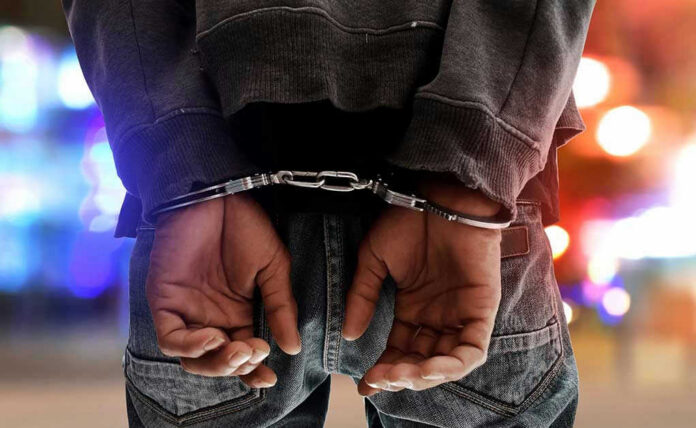
Tiger Woods’ “triple-zero” breath test didn’t stop Florida deputies from booking him on a DUI charge after a violent rollover crash—raising hard questions about drug-impaired driving and equal justice for the famous and the forgotten.
Quick Take
- Deputies arrested Tiger Woods after a rollover crash near his home on Jupiter Island, Florida, and prosecutors are now dealing with a DUI case that is not centered on alcohol.
- Authorities said Woods showed signs of impairment despite blowing 0.00 on a breathalyzer, pointing instead to possible medication or drug impairment.
- Woods faces two misdemeanor charges, including DUI with property damage and refusal to submit to a lawful test after declining a urine test.
- Investigators reported no injuries and said no drugs or medication were found in the vehicle, leaving toxicology questions unresolved in public reporting so far.
Rollover crash on a residential road ends with DUI arrest
Tiger Woods, 50, was arrested Friday, March 27, 2026, after a rollover crash near his residence on Jupiter Island, Florida. Reports place the wreck just before 2 p.m. on South Beach Road, a two-lane residential stretch with a posted 30 mph speed limit. Authorities said Woods was driving a Land Rover and struck a pressure-cleaning truck and trailer, causing his vehicle to roll onto its driver’s side. No injuries were reported.
Martin County investigators booked Woods around 3 p.m. and released him late Friday night after roughly eight hours in custody, consistent with Florida procedures described in coverage of the incident. Law enforcement has described the crash as involving high speed, though some reporting says investigators could not determine an exact velocity. For residents, the basic takeaway is straightforward: high-profile name or not, reckless speed on a neighborhood road can turn a routine drive into a public-safety incident.
“Triple zeroes” on alcohol, but deputies cited impairment signs
Deputies administered a breath test that reportedly showed 0.00 BAC—often described as “triple zeroes”—yet they still concluded Woods was impaired at the scene. Sheriff John Budensiek told reporters Woods appeared “lethargic,” and he characterized the impairment as tied to “some type of medication or drug,” not alcohol. That distinction matters, because public conversations about DUI often fixate on drinking, while modern enforcement increasingly confronts impairment linked to prescriptions or other substances.
Officials also said Woods explained his history of injuries and surgeries to officers. That context may help explain why medication questions surfaced quickly in reporting, especially given Woods’ well-known recovery journey after major injuries. At the same time, authorities reportedly found no drugs or medication inside Woods’ Range Rover, which complicates the public’s ability to understand what, specifically, contributed to the impairment indicators officers described. As of the available reporting, the suspected substance has not been publicly identified.
The refusal charge becomes a pivotal legal pressure point
Woods was charged with two misdemeanors: DUI with property damage and refusal to submit to a lawful test, after he declined a urine test. In practical terms, refusal can become a central fight in a DUI case when alcohol is not the alleged driver. Prosecutors often rely on chemical testing to clarify whether a driver was impaired by a controlled substance, a prescription medication, or something else entirely. Without that test, the state’s case may hinge more heavily on officer observations and crash facts.
Accountability expectations collide with celebrity reality
Woods’ past legal history adds context without deciding the current case. In 2017, Woods was arrested on suspicion of DUI in Florida and later pleaded guilty to reckless driving, paid a fine, and attended DUI school. More broadly, Friday’s crash was described as Woods’ fourth known car accident since 2009. That history helps explain why the public response is intense: Americans want roads policed fairly, and they also expect repeat incidents—especially involving high speed—will draw heightened scrutiny.
The bigger policy lesson is not partisan, but it is deeply “common sense”: DUI enforcement must keep up with drug impairment while protecting constitutional rights during traffic stops and investigations. Conservatives who are tired of selective enforcement in other areas will watch whether this case follows standard procedure from start to finish—especially on the refusal issue and any administrative penalties. For everyday drivers, the warning is simpler and more personal: impairment isn’t just beer, and the consequences can arrive fast on an ordinary road.
Sources:
Tiger Woods involved in rollover crash on Jupiter Island, deputies say
Tiger Woods involved in rollover crash in Florida, sheriff says
Tiger Woods’ mugshot released, eyes appear bloodshot after DUI arrest
Tiger Woods arrested for DUI after rollover car crash in Jupiter, Florida
Tiger Woods car crash in Jupiter, Florida: timeline and details
Tiger Woods involved in rollover car crash in Florida, according to reports
Tiger Woods arrested on suspicion of DUI, authorities say