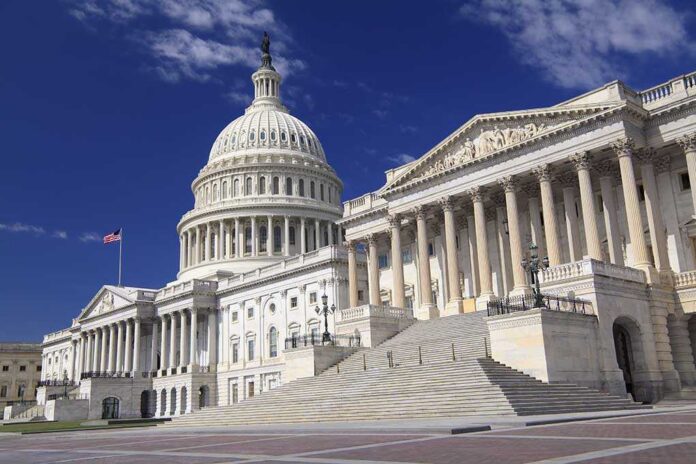
A prominent law professor predicts Democrats will pivot hard to investigations and impeachment because President Trump can block their agenda.
Story Snapshot
- Law scholar Jonathan Turley says Democrats will lean on probes and impeachment under divided government.
- Reports say Democratic leaders were already preparing an oversight-first playbook.
- Other outlets expect a mix of oversight and bargaining on must-pass bills, not “nothing but lawfare”.
- Voters say affordability drove the election and gave Democrats an edge on the economy.
What Turley Predicted And Why It Resonates
Legal scholar Jonathan Turley warned that Democrats, unable to pass major reforms, would turn to investigations and possibly impeachment. He tied that to President Trump’s veto power and the lack of votes for sweeping changes. His comments spread through partisan media and social posts and tapped a deeper public worry: that Washington fights while families struggle with bills. The forecast framed probes as a substitute for policy wins, not a complement to them.
Turley’s claim fits a known pattern in divided government. When Congress and the White House split, oversight activity rises. That was true in past eras and during Trump’s first term. Committees hold hearings, demand records, and test executive actions. The risk, as many see it, is that oversight can morph into nonstop combat. The promise, at least on paper, is that it can also expose waste, reform programs, and check power when laws are hard to pass.
What Independent Reporting Says Democrats Plan
Major outlets described Democrats preparing an oversight push focused on alleged corruption, conflicts of interest, and foreign policy choices. Those plans were cast as an opening act, not the whole show. Some reports said party leaders would also try to use must-pass funding, defense, and debt bills to win policy concessions. That approach would blend investigations with bargaining, which complicates the idea of “nothing but lawfare” as the likely outcome.
Foreign policy analysis also noted potential fights over tariffs, national security, and spending under President Trump. None of that guarantees big new laws. It does show a path to tactical gains inside the bills that must move. In practice, that means smaller policy changes could hitch a ride on deadlines. It also means the White House can still draw lines and dare Democrats to own a shutdown or delay defense funding if talks break down.
What Voters Actually Said They Wanted
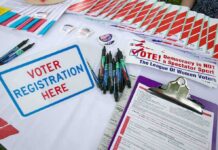
Independent voter polling pointed to one main thing: lower costs. Reports said more than eight in ten voters worried about prices for gas, groceries, and health care. Voters in several surveys gave Democrats an edge on handling the economy. That helps explain the midterm outcome. It also sets a clear bar for the new Congress. If prices stay high and paychecks feel small, oversight fireworks may not satisfy voters who expected action on affordability.
Polls from multiple outlets found the economy as the top issue and suggested Democrats gained with younger voters and independents who felt squeezed. That gives Democrats a mandate to try cost-of-living steps, even if big reforms face a veto. Smaller bills on housing, health costs, or energy fees could still matter. But those moves will compete for time and headlines with subpoenas, hearings, and court fights that are sure to draw cameras and clicks.
The Stakes For A Distrustful Public
Americans across party lines say the system serves the well connected first. Many see Congress as a stage for drama while daily costs climb. If Democrats center on investigations without visible progress on prices, they risk backlash. If Republicans dismiss all oversight as illegitimate, they risk looking like they are dodging accountability. The test is simple to describe and hard to pass: lower costs, keep the government working, and police real misconduct without turning it into a permanent campaign.
Here is the bottom line. Oversight will increase under divided rule. That is normal. Turley’s warning may capture the tone to come, but independent reporting points to a dual track: probes plus policy bargaining. Voters will judge both parties by results they can feel at the checkout line and on their monthly bills. If Washington delivers noise but not relief, the “buyer’s remorse” he predicts will not take long to show up in polls and special elections.
Sources:
thegatewaypundit.com, politico.com, lemonde.fr
© patriotwise.com 2026. All rights reserved.