
A Texas bunker company reports a tenfold explosion in fallout shelter demand as escalating U.S.-Iran military strikes trigger unprecedented fears that nuclear or chemical attacks could reach American soil.
Story Snapshot
- Atlas Survival Shelters reports 10x surge in bunker inquiries following February 28, 2026 U.S.-Israel strikes on Iranian nuclear facilities
- Monthly sales could hit $50 million as Americans rush to purchase shelters ranging from $20,000 basic models to $5+ million luxury complexes
- Six U.S. soldiers killed in Kuwait drone strike as Trump administration maintains hardline stance against negotiating with Iran
- Supply chain disruptions threaten semiconductor industry and construction materials as Strait of Hormuz shipping faces potential closure
Americans Respond to Rising Nuclear Threat
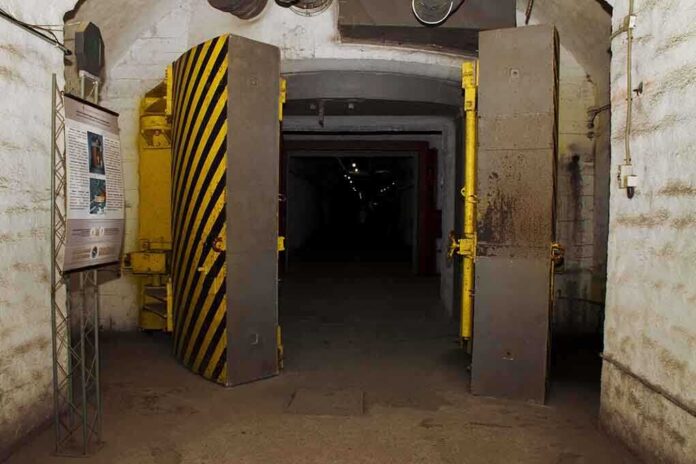
Atlas Survival Shelters, a Texas-based company, recorded a dramatic tenfold increase in fallout shelter inquiries immediately following the joint U.S.-Israel military strikes against Iranian nuclear and military facilities on February 28, 2026. Company founder Ron Hubbard directly attributed the surge to heightened public anxiety over potential nuclear, chemical, and biological threats reaching American territory. This pattern mirrors previous crisis responses during the 2022 Ukraine invasion and 2023 Hamas attack, demonstrating how geopolitical instability instantly translates into domestic protective measures. The bunkers, designed to withstand catastrophic attacks, range from basic $20,000 models to luxury complexes exceeding $5 million.
Military Escalation Drives Consumer Panic
The February 28 coordinated strikes on Iranian facilities marked a significant intensification following previous U.S. actions in June 2025 targeting the Fordo nuclear fuel enrichment plant with GBU-57 Massive Ordnance Penetrator bunker-buster bombs. Late February and early March witnessed continued military escalations, including a devastating drone strike in Kuwait that killed six American soldiers whose remains were transferred through Dover Air Force Base. President Trump’s public stance rejecting negotiations and suggesting the conflict can only end with Iran’s leadership and military “entirely eliminated” signals a prolonged confrontation. This hardline approach, while necessary to neutralize Iran’s nuclear threat, understandably fuels American concerns about potential retaliation targeting the homeland.
Economic Ripple Effects Threaten Key Industries
The conflict’s economic consequences extend far beyond bunker sales, threatening critical supply chains and American manufacturing competitiveness. South Korean lawmakers warned that semiconductor giants Samsung and SK Hynix face supply disruptions for helium and bromine—essential materials sourced from the Persian Gulf region and critical for chip manufacturing. Construction industry experts report shipping delays and cost escalations for aluminum, fertilizer, and sugar as the Strait of Hormuz faces potential closure, jeopardizing this vital oil and industrial commodity corridor. Market analysts warn these economic effects may persist longer than previous geopolitical crises, compounding challenges from Chinese military reshuffles and energy price volatility.
Defense Industry Mobilizes for Extended Conflict
The U.S. Air Force awarded Boeing a sole-source contract exceeding $100 million for new GBU-57 Massive Ordnance Penetrator munitions, with delivery scheduled to begin January 2028. Military officials justified the procurement as essential to restore operational readiness and ensure Air Force Global Strike Command possesses necessary assets to support strategic contingency war plans. The bunker-buster’s demonstrated effectiveness—penetrating an estimated 200 feet through rock at Iranian hardened targets—validates continued investment in this capability. China’s response reveals the strategic implications: Chinese analysts expressed unease at America’s demonstrated ability to conduct undetected long-range precision strikes against underground facilities, prompting Beijing to accelerate its own underground infrastructure development across western China.
Bunker sales surge as Iran war stokes fears of homeland attack #BreakingNews #BREAKING #newshttps://t.co/58i5sTKbdD
— DawnNewsUp (@dawnnewsup) March 12, 2026
Atlas Survival Shelters projects monthly sales could reach $50 million if current demand trends continue, representing both unprecedented commercial opportunity and sobering evidence of American anxiety about homeland security. This surge reflects legitimate concerns about Iran’s capabilities and intentions, particularly given the regime’s documented pursuit of nuclear weapons and support for terrorist proxies. While the Trump administration’s decisive military action aims to eliminate this threat before it fully materializes, Americans are right to take prudent precautions for their families. The question remains whether this demand represents temporary panic or recognition of a fundamentally changed security environment requiring long-term preparedness investments.
Sources:
Texas Bunker Company Reports 10x Spike in Fallout Shelter Demand as US-Iran War Escalates
US Air Force Buying More Bunker Buster Bombs After Iran Nuclear Strikes
The 2026 Iran War and Its Global Impact on Construction Supply Chains
US Bunker-Buster Hits on Iran Drive China Deeper Underground