Iran’s brazen missile attack on Qatar’s massive natural gas facilities has shattered the illusion that Tehran’s regional aggression targets only American interests, exposing the radical regime’s willingness to destabilize global energy markets and threaten neutral Gulf allies.
Story Snapshot
- Iran struck Qatar’s Ras Laffan LNG hub—the world’s second-largest—causing extensive damage and threatening 20% of global natural gas supply
- Qatar’s Prime Minister condemned the attack as “clear proof” Iran targets Gulf states indiscriminately, not just US interests
- The strikes followed Israeli operations against Iran’s South Pars gas field, triggering a dangerous escalation cycle across the Middle East
- Qatar expelled Iranian diplomats and declared its right to respond, marking a dramatic shift in relations with Tehran
- President Trump threatened countermeasures against Iranian energy infrastructure as global markets faced potential supply crisis
Iran’s Reckless Assault on Critical Energy Infrastructure
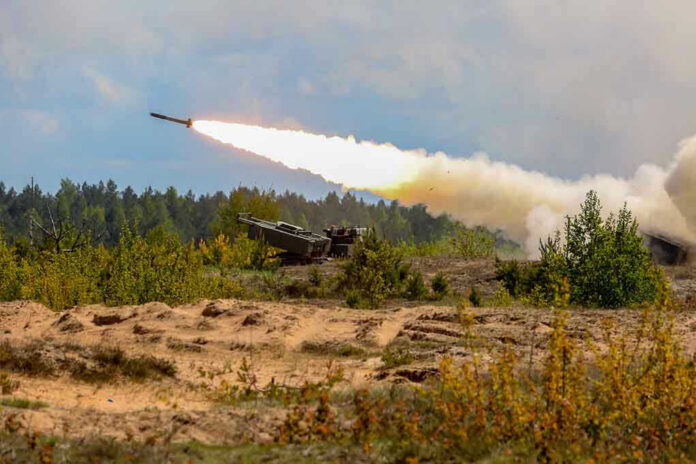
Iranian missiles and drones slammed into Qatar’s Ras Laffan industrial complex on March 19, 2026, igniting fires at liquefied natural gas plants and the Pearl GTL facility located 80 kilometers north of Doha. QatarEnergy confirmed extensive damage to operations producing 77 million tons of LNG annually—roughly one-fifth of global supply. The coordinated strikes also targeted the United Arab Emirates’ Habshan gas facilities, forcing shutdowns despite successful intercepts, while Saudi Arabia repelled additional Iranian projectiles. This represents precisely the type of reckless regional destabilization that threatens American allies and energy security worldwide.
Qatar Breaks Silence on Iranian Aggression
Qatar’s leadership issued swift condemnation that fundamentally reframes the regional conflict narrative. The Foreign Ministry declared Iranian diplomatic personnel persona non grata, ordering their expulsion within 24 hours—an unprecedented diplomatic rupture for two nations sharing the world’s largest gas field. Prime Minister Mohammed bin Abdulrahman Al Thani characterized the attack as irrefutable evidence that Iran’s targets extend far beyond U.S. military assets or Israeli interests. Foreign Ministry officials emphasized Qatar reserves the right to respond to what they termed a “direct threat” and accused Iran of crossing “red lines” by endangering civilian populations and critical infrastructure.
Escalation Cycle Rooted in Regional Power Struggle
The Iranian retaliation followed Israeli strikes on March 18 against Iran’s South Pars gas field—described as Tehran’s “most important energy asset”—and the killing of Iranian official Ali Larijani. Iran’s Supreme Leader vowed that “criminal murderers will pay,” setting the stage for missile launches hours later. This tit-for-tat warfare demonstrates how Iran consistently chooses escalation over restraint, weaponizing energy resources despite the economic devastation such tactics inflict on ordinary citizens across multiple nations. The attacks also exposed the vulnerability of infrastructure along the Persian Gulf, where decades of Western investment built the energy lifelines now targeted by Iranian aggression.
Global Energy Markets Face Supply Crisis
Energy analyst Saul Kavonic warned the strikes could trigger a “lasting global gas shortage,” with immediate price spikes rippling through international markets. The Ras Laffan damage disrupts approximately 1.6 billion cubic feet per day from the Pearl GTL plant alone, compounding supply constraints already straining Europe and Asia following Russian cutoffs. Ironically, as Kavonic noted, American LNG producers stand to benefit from sustained high prices—a silver lining for domestic energy independence advocates who have long argued against reliance on volatile Middle Eastern sources. The attack vindicates President Trump’s threats to “massively blow up” South Pars if Iran continues targeting allies.
#Qatar PM Says Gas Hub Attack 'Clear Proof' Iran Not Only Targeting US Interestshttps://t.co/Q8WTWcy58I
— Asharq Al-Awsat English (@aawsat_eng) March 19, 2026
The Gulf Cooperation Council and Arab League unanimously condemned Iran’s actions as “unacceptable escalation,” signaling rare unity among regional powers often divided on policy. The Soufan Center assessed that Iranian evacuation orders for Gulf oil and LNG sites indicate Tehran anticipates sustained retaliation cycles, fundamentally upending market stability for the foreseeable future. For American conservatives who prioritize energy dominance and alliance commitments, this crisis underscores why decisive action against Iranian aggression protects both national security and economic interests—a lesson the previous administration failed to grasp during years of appeasement.
Sources:
Arab News – Iran strikes cause extensive damage at major Qatar gas hub
Al-Monitor – Iran strikes Qatar gas hub, Khamenei vows revenge for Larijani killing
Iran International – Qatar condemns Iranian strikes on energy facilities
The Soufan Center – IntelBrief: Iranian strikes cross red lines in Gulf energy warfare
Le Monde – Iran strikes cause extensive damage at major Qatar gas hub