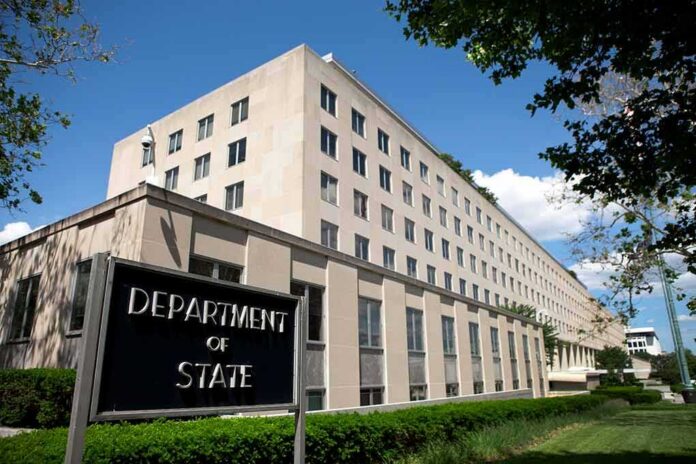
America’s top diplomat says there is no breakthrough with Iran, even as mediators shuttle proposals that could reopen the Strait of Hormuz and curb Tehran’s nuclear work.
Story Snapshot
- Secretary of State Marco Rubio said talks are not near a breakthrough and called Iran’s demands unrealistic.
- Key disputes include reopening the Strait of Hormuz and limits on Iran’s nuclear program.
- Qatar and other countries are mediating, and Iran is reviewing a proposal pairing relief with inspections.
- President Trump still points to a possible deal, saying Iran wants a settlement “as soon as possible”.
Rubio Downplays Progress While Talks Continue
Secretary of State Marco Rubio told reporters in Florida that negotiations with Iran were not close to a breakthrough. Rubio said he had no progress to report and described Iranian demands as absurd and unrealistic. His comments signaled a hard line as the administration pushes Iran on nuclear limits and maritime access. Multiple outlets carried the remarks the same day, underscoring a unified message of caution about near-term results from the talks.
Rubio’s language matched earlier statements that framed Tehran’s asks as beyond reach. Reports did not specify which exact items he deemed unworkable. That silence leaves the public without a point-by-point view of what is on the table. It also keeps the debate stuck on slogans instead of text. In past U.S.–Iran talks, heated words often hid slow movement beneath the surface. That pattern may be repeating now, with mediators still active.
Core Sticking Points: Strait Access and Nuclear Limits
Reports point to two hard issues: reopening the Strait of Hormuz and steps on Iran’s nuclear program. Washington has pushed for free passage for global shipping and for nuclear concessions. Tehran has pressed to lift a United States naval blockade and to ease sanctions. These are not small tweaks. They touch oil flows, insurance, and regional security. That is why movement is slow and public statements stay sharp while talks grind on behind closed doors.
Mediated ideas suggest a bridge plan that trades action for action. One proposal described by regional officials links limited United States relief with access for international nuclear inspectors. Iran would then reopen the Strait of Hormuz and enter follow-on talks about enriched uranium. That sequencing tries to match steps on both sides within days, not months. The approach aims to test trust without locking either party into a final deal yet.
Mediators Push Options as Leaders Signal Mixed Messages
Qatar and other governments are carrying messages and draft terms between Washington and Tehran. The Associated Press reported Iran was reviewing ideas from Doha and publicly speaking about timelines and nuclear topics after refusing them before. A diplomat cited by other outlets called this a sign of movement. That does not mean a final agreement is close. It does show both sides are still testing what a workable first step might look like.
President Trump has kept the door open to a deal in public. He posted that Iran wanted a settlement “as soon as possible” and said, “It could happen!” His message contrasts with Rubio’s warning tone but fits a common negotiation playbook. The White House projects resolve while hinting at a path to yes. That split-screen can frustrate Americans across the spectrum who want straight answers. But it can also be part of pressure tactics used to shape talks.
What This Means for Americans Watching the Price and the Risk
Energy costs and shipping insurance hinge on the Strait of Hormuz. Any move to reopen traffic can ease price spikes that hit family budgets and small firms. Nuclear steps and inspections change the risk of a wider war that could drag the United States into new costs and casualties. Stalled talks keep both threats alive. A narrow bridge deal could buy time and calm markets. A collapse could raise prices and push both sides toward fresh strikes.
Both conservatives and liberals see a familiar pattern: big claims, little paperwork, and few details shared with the public. Officials ask for trust while keeping texts secret. That fuels anger at a system that seems to serve insiders first. Clearer, verified terms would help citizens judge the tradeoffs. Until then, the best guide is concrete actions, not quotes. Watch for inspectors on the ground, tankers moving again, and actual sanction changes filed in writing.
How to Read the Next Headlines Without the Spin
Expect more sharp words from both sides even if a small deal forms. High-pressure bargaining often uses public blasts to score private gains. Treat claims of victory or collapse with care unless paired with documented steps. One source can move markets, but only verified actions move ships and centrifuges. For now, Rubio says no breakthrough. Mediators say options exist. The truth will show up first in port traffic and inspection logs, not in sound bites.
Sources:
facebook.com, news.sbs.co.kr, ynetnews.com, bernama.com, middleeasteye.net, chosun.com, apnews.com, hurriyetdailynews.com, latimes.com, nydailynews.com
© patriotwise.com 2026. All rights reserved.