
Two top attorneys for Virginia and Washington, D.C., asked a federal judge to stop President Trump’s 250-foot arch before bulldozers arrive next week.
Story Snapshot
- D.C. and Virginia filed a joint lawsuit calling the arch “flagrantly unlawful.”
- The complaint warns of traffic gridlock, pollution, and risks to emergency response at Memorial Circle.
- A Department of Justice filing said construction could start as early as November 5, 2026.
- Arlington County launched a related suit, saying the review skipped key transportation impacts.
What The Lawsuit Seeks To Stop Right Now
District of Columbia Attorney General Brian Schwalb and Virginia Attorney General Jay Jones filed a 45-page complaint in federal court on October 31, 2026. They asked the court to halt all work on President Trump’s planned triumphal arch at Memorial Circle on the Virginia side of the Potomac. The suit says the project is “flagrantly unlawful” and would cause immediate, concrete harm during construction if crews break ground before a full, lawful review.
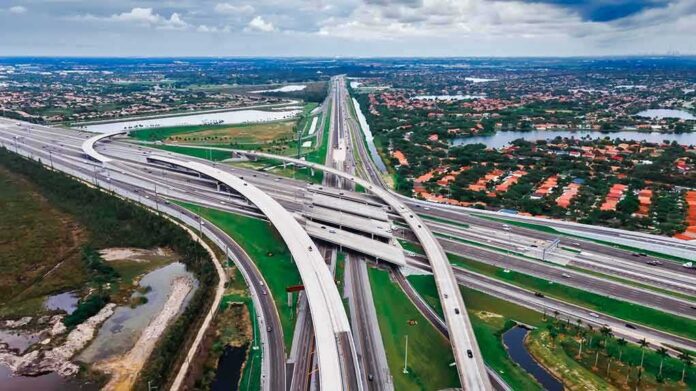
The attorneys general argue the construction phase would clog the key traffic link between D.C. and Arlington. They say heavy equipment, lane closures, and staging would slow emergency vehicles and snarl daily commuting. They also cite pollution and stormwater runoff risks into the Potomac River from excavation and concrete work. The complaint ties these risks to the site’s central role in regional mobility and public safety around Arlington National Cemetery and the George Washington Memorial Parkway.
Timing And “Irreparable Harm” Claims
The filing leans on timing to make its case. A Justice Department notice in court said construction could begin as soon as November 5 if final approvals line up. The states say that once ground is disturbed, traffic and environmental impacts will hit residents at once, and some damage may be hard to undo. They want a judge to decide before cranes and trucks move in, not after the landscape has changed and commuters feel the pain.
Arlington County filed a separate case earlier in October to block demolition or construction until a fuller environmental review occurs. County leaders say federal agencies did not study how the project would affect roads used for emergency transport, including services tied to the cemetery. This local suit backs up the states’ claim that transportation and emergency access were not handled with the care the law demands for federal projects in this area.
How The Administration Frames The Arch
The White House calls the arch an iconic addition that would honor American sacrifice and improve the visitor experience for veterans and families at Arlington. Defense Secretary Pete Hegseth and Homeland Security Secretary Markwayne Mullin also say the structure would have homeland defense value. They told a court the elevated site could aid protective overwatch and counter-sniper operations and help address drone threats without changing the design’s public-facing purpose.
That dual-purpose pitch places the project in a gray zone. Supporters stress symbolism and security. Critics say that even a memorial with security value still must clear the normal legal steps. The plaintiffs also hint that if military functions expand, traffic and safety concerns could grow. The record available so far does not include the full environmental studies, traffic models, or a final construction phasing plan, which limits what the public can verify today.
The Legal Backdrop That Will Guide The Judge
Federal law sets a detailed process for memorials in and around Washington. The Commemorative Works Act assigns roles to agencies like the National Park Service and the National Capital Planning Commission for site and design review. These rules aim to balance national symbolism with impacts on parks, roads, and neighborhoods. The lawsuit’s core question is whether the arch followed those rules and whether the environmental review matched the project’s scale and location.
Reference: Associated Press & The Guardian (Edited)
The legal challenges to Donald Trump’s proposed memorial arch are mounting, with the District of Columbia and Virginia suing in federal court on Saturday as the administration says construction could begin as early as next…
— Bruce J Snider (@BruceJSnider) November 1, 2026
For many readers, the stakes feel familiar: big federal plans announced fast, local voices racing to catch up, and basic services like rescue routes and clean water pushed to the side. Conservatives and liberals alike worry that well-connected players bend rules while regular people sit in traffic and pay the price. This case will test whether the courts force a pause for a fuller review, or allow work to start while questions about access, runoff, and safety remain open.
Sources:
cbsnews.com, politico.com, nbcnews.com, pbs.org, yahoo.com, edition.cnn.com
© patriotwise.com 2026. All rights reserved.