A Russian military intelligence ship operated just 15 miles off Hawaii’s coast, raising major questions about America’s security and the effectiveness of U.S. responses under the new Trump administration.
Story Snapshot
- Russian Navy’s spy vessel Kareliya patrolled alarmingly close to Oahu, Hawaii, sparking Coast Guard action.
- The U.S. Coast Guard—not the Navy—led the response, emphasizing law enforcement over escalation.
- Incident highlights ongoing U.S.–Russia maritime competition and tests U.S. readiness near strategic assets.
- Proximity to the Pacific Fleet underscores Hawaii’s vulnerability and continuing threats to American sovereignty.
Russian Intelligence Ship Operating Near Hawaii’s Coastline
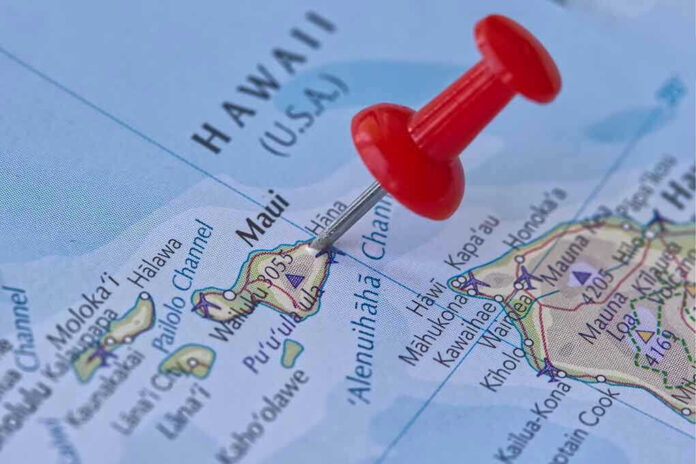
On October 29, 2025, the U.S. Coast Guard identified the Russian Navy auxiliary intelligence ship Kareliya just 15 nautical miles south of Oahu, Hawaii. Kareliya, a Vishnya-class signals intelligence vessel, remained outside U.S. territorial waters but within the Exclusive Economic Zone (EEZ), a critical area for American sovereignty and security. The Coast Guard quickly dispatched an HC-130 Hercules aircraft and the cutter USCGC William Hart to monitor and escort the Russian vessel. This close approach by a Russian military asset near a major U.S. military hub immediately triggered heightened alertness among defense officials and citizens concerned about foreign surveillance and threats to national interests.
Coast Guard officials publicly acknowledged the ship’s presence and confirmed ongoing monitoring as of November 13, 2025. The Kareliya has a documented history of similar intelligence-gathering missions near Hawaii and other parts of the U.S. coastline, including previous patrols in 2021 and 2022. This pattern fits within a broader context of U.S.-Russia maritime surveillance, with both nations routinely testing each other’s response protocols. The Coast Guard’s measured reaction highlighted a preference for law enforcement and maritime security—avoiding military escalation while sending a clear message about U.S. sovereignty.
Legal and Strategic Implications for U.S. Sovereignty
Although Kareliya operated outside the 12-nautical-mile territorial sea, international law permits freedom of navigation in the EEZ but prohibits targeted intelligence gathering against coastal states. Russia’s choice to operate so close to Hawaii—home to the U.S. Pacific Fleet and other key military installations—shows a willingness to push boundaries and probe American defenses without overtly violating international law. This incident underscores the legal gray area that intelligence vessels exploit and highlights the necessity for vigilant surveillance and robust counterintelligence protocols. For conservative Americans, such incursions represent clear threats to national sovereignty and the safety of military personnel stationed in strategic locations.
Mutual surveillance between the U.S. and Russia is longstanding, but the proximity of Kareliya to Hawaii’s shores is particularly provocative. The Coast Guard’s leadership in this situation signals a deliberate choice to enforce maritime law and protect borders without risking direct military confrontation. This approach reflects Trump administration priorities—asserting American strength and defending constitutional values while avoiding costly overseas entanglements or unnecessary escalation. Nevertheless, continued Russian intelligence activities so close to U.S. assets demand increased vigilance and investment in maritime security.
Impact on Defense Policy and Local Communities
The immediate effect of Kareliya’s patrol has been a surge in alertness among U.S. military and Coast Guard personnel in Hawaii, with increased public and media scrutiny of foreign military activity near American shores. While the economic impact remains minimal, the strategic importance of Hawaii and the visibility of the Pacific Fleet make incidents like this a wake-up call for both policymakers and local communities. National defense debates may now intensify, focusing on the adequacy of current surveillance, border security, and counterintelligence measures under the Trump administration.
In the longer term, persistent Russian intelligence operations reinforce the need for ongoing review and enhancement of U.S. maritime protocols. Conservative stakeholders, especially those prioritizing constitutional rights and strong national defense, see these actions as tests of American resolve. The Coast Guard’s law-based, non-escalatory response highlights the importance of maintaining vigilance without provoking unnecessary conflict—a balance that remains central to Trump administration policy. As international threats persist, Americans must remain aware of both the legal complexities and the real-world risks posed by adversarial powers operating near U.S. territory.
Expert Perspectives and Strategic Takeaways
Maritime security analysts agree that Russian intelligence-gathering near U.S. assets is routine but significant, especially given Hawaii’s strategic military value. Experts emphasize the legal ambiguity of intelligence collection in the EEZ, noting that measured U.S. responses help prevent escalation while protecting sovereign interests. Diverse interpretations exist: some view the incident as standard great-power competition, while others warn it could escalate or test U.S. determination. Ultimately, credible reporting from multiple outlets confirms the facts—Kareliya’s close approach, Coast Guard monitoring, and ongoing vigilance—reinforcing the necessity for strong defense policies and constitutional protections against foreign threats.
Sources:
Russian spy ship detected just miles from Hawaii coastline prompts US Coast Guard response
U.S. Coast Guard Tails Russian Spy Ship Just 15 Miles Off Hawaii
Russian spy ship came close to Hawaii. Here’s what happened next