

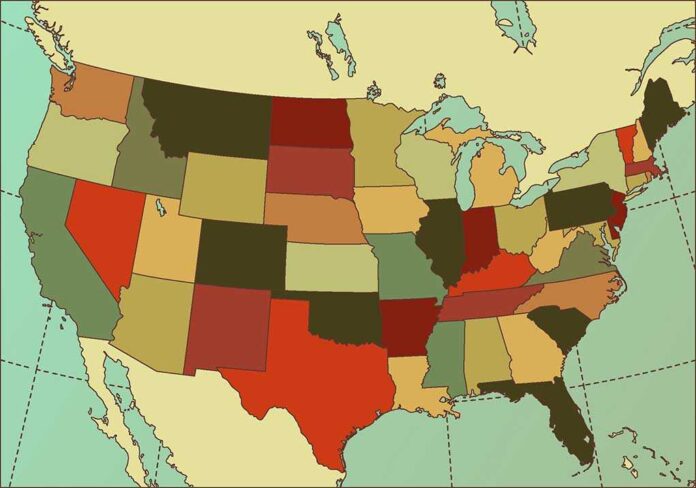
The growing sleep crisis in America draws attention to an alarming rate of insomnia, with certain states experiencing higher sleeplessness rates than others, challenging public health and community well-being.
Story Highlights
- Insomnia rates vary significantly across different U.S. states.
- Chronic sleep deprivation poses serious health risks and economic consequences.
- Historical and modern factors contribute to the sleep epidemic.
- Efforts are underway to address and mitigate sleep disorders on a national scale.
Insomnia Across the United States
The prevalence of insomnia varies widely across the United States, with certain states ranking higher in rates of sleeplessness. Recent data indicates that geographic disparities in sleep health are influenced by factors such as demographics, urbanization, and cultural attitudes toward rest. Public health campaigns are working to address these issues, highlighting the increasing need for awareness and intervention to combat the sleeplessness epidemic.
Chronic insomnia goes beyond personal discomfort, emerging as a public health concern due to its significant impact on individuals and communities. The condition is linked to numerous health issues, including cardiovascular diseases, mental health disorders, and decreased productivity. The economic burden is substantial, with billions lost annually due to reduced workplace efficiency and increased healthcare costs.
Historical Context and Modern Developments
The concept of “insomniacs” dates back to the late 19th century, coinciding with urbanization and industrialization, when insomnia was first recognized as a symptom of modern life. As sleep research has expanded over the decades, the understanding of this condition has evolved, leading to a better grasp of its causes and effects. Despite advancements, the modern world, with its 24/7 work culture and digital distractions, continues to exacerbate sleep issues.
Efforts to improve sleep health have intensified, driven by new research and public health initiatives. Federal and state agencies, along with medical professionals, are advocating for policies that address both individual and systemic factors contributing to sleep deprivation. These include promoting better sleep hygiene, flexible work schedules, and mental health support.
Addressing the Sleep Crisis
As awareness of the sleep crisis grows, stakeholders from various sectors, including public health agencies, researchers, and employers, are collaborating to develop comprehensive strategies to combat insomnia. These efforts focus on education, policy changes, and medical interventions, aiming to alleviate the widespread impact of sleep disorders. The push for reform is not only about enhancing individual well-being but also about bolstering economic productivity and public health.
Ultimately, addressing insomnia requires a multifaceted approach that considers biological, psychological, and social factors. While individual responsibility in maintaining proper sleep hygiene is important, systemic reforms are crucial to creating environments that support healthy sleep patterns for all Americans.
Sources:
Historical emergence of the insomniac archetype
Insomnia as a disease of civilization
Recent coverage of state-by-state sleepiness in America