
At two rallies, President Trump told Black and Jewish voters they are “not smart” or “crazy” if they back Abdul El-Sayed, turning a policy fight into an identity clash that many see as a warning sign for our politics.
Story Highlights
- Trump linked support for El-Sayed to poor judgment among Black and Jewish voters.
- Remarks repeated across events, drawing wider media attention and backlash.
- El-Sayed answered that attacks target his name and faith, not his policies.
- Research shows harsh attacks can backfire on the attacker, not just the target.
What Trump Said, Where He Said It, and Why It Landed Hard
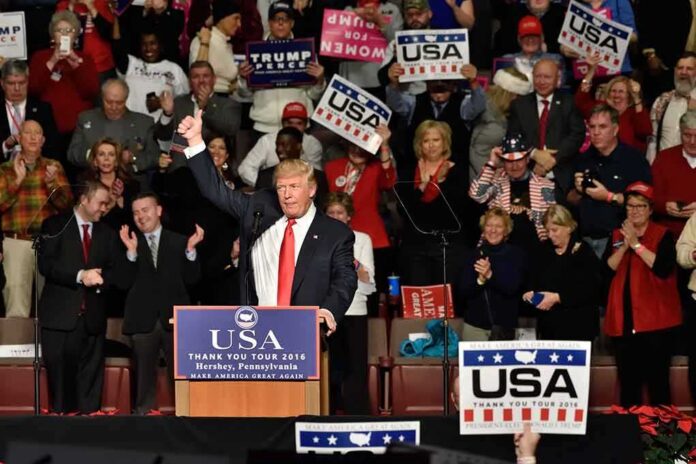
At a Daytona Beach rally, President Trump said Black or Jewish voters who choose Abdul El-Sayed are “not smart.” Coverage quoted his words directly and framed the remarks as aimed at identity groups, not just policies. At another event, a New York Times video captured Trump calling those voters “crazy,” reinforcing a pattern across days, not a one-off line. The repeat language ensured the story spread and raised charges of group-based insult from critics.
Media accounts also noted Trump’s separate claims tying El-Sayed to jihadism and the Muslim Brotherhood, but did not cite documents or named evidence at those rallies. That gap matters because strong words without clear proof shift focus from policy to character. When leaders speak about whole groups and judgment, many Americans hear contempt, not debate. That is why this episode hit nerves across communities already wary of elites and partisan gamesmanship.
How El-Sayed Framed His Response and the Competing Policy Story
El-Sayed said Trump’s attacks were about his Muslim name and faith, not his plan for Michigan. He told supporters he respects Jewish people and separated that from his criticism of an advocacy group and of foreign military aid. He argued taxpayer money should focus on schools, health care, and infrastructure at home. That response tried to move the fight back to policy. It also countered the idea that opposing specific spending equals hostility to a faith community.
Coverage of El-Sayed’s platform described Medicare for All, ending gerrymandering, taxing billionaire wealth, and limiting corporate money in politics. Politico also highlighted his stand against some outside spending and his support for the uncommitted movement in earlier cycles. Voters who like those ideas can see reasons to back him on substance. That undermines the claim that their choice is “not smart,” even if many disagree with his agenda’s costs or trade-offs.
Why Repeated Insults Risk Blowback in a Distrustful Era
Political research finds aggressive attacks are memorable but can trigger backlash against the attacker, especially when voters view the hit as harsh mudslinging and not helpful information. That fits a wider public mood. Many people on the right and left feel Washington serves insiders first and treats citizens like pawns. When leaders mock voter groups, it feeds the belief that elites talk down to the public instead of answering hard policy questions with facts and math.
In this case, Trump’s identity-focused phrasing may energize allies who already distrust El-Sayed. But it also risks alienating persuadable voters who want respect, numbers, and proof, not labels. Past studies on negative campaigning suggest the net effect of going hard can be mixed or even negative for the person throwing the punch, depending on tone and context. Campaigns win trust when they test claims with evidence and show how plans will affect jobs, prices, safety, and freedom.
What Voters Still Need to See to Judge the Stakes
Voters would benefit from clear, side-by-side tests of El-Sayed’s core plans. That includes cost estimates for Medicare for All, details on changes to election rules, and how new taxes would work in practice. It also includes a firm accounting of foreign-aid changes and likely effects on alliances and security. If the White House or party allies claim extremist ties, they should present verifiable records. Otherwise, attacks look like theater, not truth testing.
Americans across factions say the system feels rigged. They want leaders to argue hard on policy, not insult citizens by race or religion. That standard should apply to everyone. The country moves forward when campaigns treat voters as adults, show receipts, and own trade-offs. The next week should be about numbers and choices, not names and jeers. That is the debate worthy of a free people deciding who will write the laws they must live under.
Sources:
mediaite.com, yahoo.com, michigandaily.com, en.wikipedia.org, cnn.com, huffpost.com
© patriotwise.com 2026. All rights reserved.