
Japan is pulling auto suppliers into a state-backed arms push, tying factory jobs to national defense targets backed by tens of trillions of yen.
Story Snapshot
- Tokyo plans about 43 trillion yen for defense buildup through 2027, with a two percent of economy target.
- Officials are matching nontraditional firms, including auto suppliers, with defense primes and funding support.
- Some suppliers now earn a notable slice of sales from defense work, led by drone and component demand.
- Budget tools aim to stabilize smaller manufacturers with approved plans and rapid payments.
Japan’s Budgeted Buildup Sets the Pace
Japan’s government set a plan to secure about 43 trillion yen for defense buildup from fiscal year 2023 to fiscal year 2027. The National Security Strategy targets defense and related spending near two percent of the economy by fiscal year 2027. These goals provide steady demand signals to industry and set a schedule for expansion. The official budget materials describe the effort as a fundamental reinforcement of capabilities across forces and industry.
Defense ministry documents say the buildup includes production and technology goals, not just buying finished gear. Plans call for stronger supply chains and tighter defense-industrial security. The aim is a robust, sustainable industry that can deliver equipment on time and at scale. This framing treats factory output and parts sourcing as core to national defense, not a side issue. The 2026 digest outlines these priorities and links them to program funding.
Auto Suppliers Shift from Motors to Military Parts
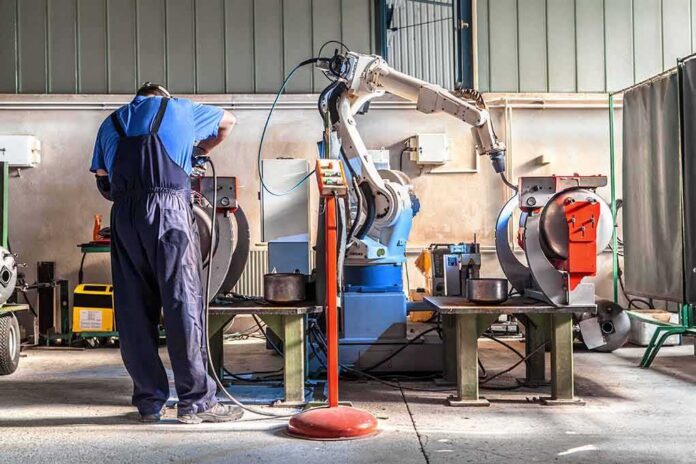
Reuters reports that Japan’s Acquisition, Technology, and Logistics Agency has been evaluating nontraditional suppliers and pairing them with defense companies. The agency is also offering new funding streams to speed the shift. Interviews cited in the report describe officials steering some auto suppliers toward drone components and other parts. That guidance helps firms reuse precision skills from car parts for military needs, which can shorten learning curves.
Company examples show early revenue growth from defense side work. Reuters says Aster, which makes motors for cars, now earns about ten percent of its revenue from defense tasks. Another supplier, Kyowa, lifted its defense share of sales from around three percent to about ten percent within a year. These moves signal that some auto firms see real orders, not just pilot projects, especially in drone-related lines.
Stabilizing Smaller Manufacturers with Direct Support
Japan’s defense ministry described a pool of 847.2 billion yen to support companies that make equipment for the Self-Defense Forces. Leaders said funds would move quickly to manufacturers to protect output and readiness. Policy digests say the government approved 164 stable-manufacturing plans in fiscal year 2025, including 124 from small and medium firms. These tools are meant to hold skilled teams together and reduce the risk of production gaps.
Budget papers for fiscal year 2026 repeat the focus on resilient production and supply chains. The documents describe defense-industrial security steps and market expansion for defense companies. The goal is to cut delays, keep operational rates high, and build depth in parts and materials. That is important for drones, missiles, sensors, and vehicles, where missing components can stall whole programs.
Why This Shift Matters for Americans
Japan’s plan shows how a major ally is rewiring industry to meet hard-power needs. Governments now treat factory capacity as a shield, not just a business topic. That mirrors steps in Europe and the United States since the wars in Ukraine and the Middle East. Auto suppliers bring precision, electronics, and quality control that fit drone and component work. But advanced weapons still demand strict certification and secure sites, which take time and steady orders to build.
Reuters reports Japan is recruiting auto suppliers into its defense buildup – and Anduril is already buying from that industrial base.
ASTER, a Toyota parts supplier, makes motors used in Anduril drones. Its CEO says defense now accounts for a tenth of revenue. Japan’s… pic.twitter.com/Ard7mZn5OE
— Anduril Observer (@AndurilObserver) November 24, 2026
Money on paper does not equal strength in the field. Officials can set goals and unlock subsidies, but only delivered gear raises readiness. Japan’s effort will be judged by accepted deliveries, on-time schedules, and parts that keep systems in service. For readers wary of waste and capture by elites, this is the test: do big sums and big plans produce tools that work when needed, at prices taxpayers can sustain?
Sources:
youtube.com, marketscreener.com, mod.go.jp, reuters.com, foreignpolicy.com
© patriotwise.com 2026. All rights reserved.