
China’s rush into gold and India’s new import rules show how two major economies are moving money and power into hard assets.
Story Highlights
- China’s central bank kept adding to gold reserves in 2024–2025, alongside strong national imports.
- Financial Times reporting cited by ZeroHedge says China imported over 1,000 tonnes and spent $158.8 billion in the latest period.
- India issued a formal customs notification in October 2025 that reshaped precious-metal tax relief from November 1.
- These moves fit a decade-long pattern: countries tweak gold policy when currencies and trade balances face pressure.
What China Bought And What The Numbers Mean
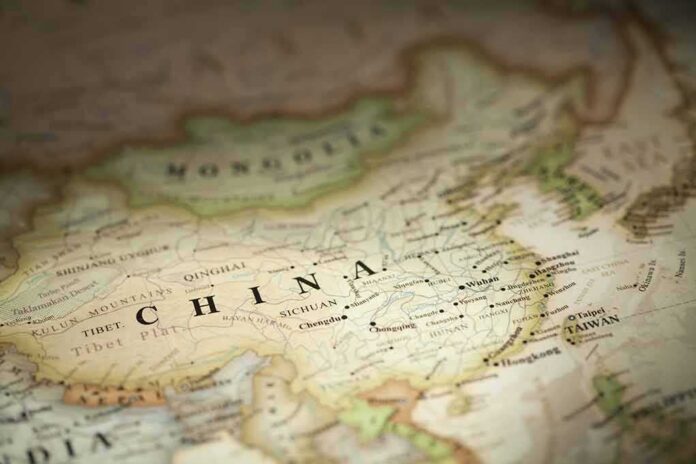
People’s Bank of China data and sector tracking show steady official buying after a brief pause in 2024. The World Gold Council noted a five-tonne reserve gain in January 2025 and 44 tonnes in 2024, adding to earlier increases. Reuters reported 21 tonnes bought in 2025 after large 2023 purchases, while future plans remain a state secret. Separate reporting says China imported more than 1,000 tonnes and spent $158.8 billion in the latest year-to-date window, signaling broad demand beyond the central bank.
The difference between official reserves and total imports matters. Central bank purchases change the state’s gold pile. Total imports capture banks, refiners, and private buyers. The larger import figure points to strong household and investment demand, not just policy. Still, both tracks push in the same direction: China wants more gold. That can reflect a desire to spread risk away from the United States dollar and to hold an asset with no one else’s promise attached.
How India Reworked Precious-Metal Tax Relief
India’s Central Board of Indirect Taxes and Customs issued Notification No. 45/2025-Customs on October 24, 2025, effective November 1. The measure consolidated 31 earlier exemption notices tied to precious metals and reset how relief applies at the border. Sector documentation describes a recast framework that changes the duty treatment for importers, including banks and agencies that bring gold into the country. The exact before-and-after rate for each channel sits in the notification and its predecessors.
India often tightens or loosens gold import rules to manage foreign-exchange outflows and current-account gaps. In 2013, officials raised duty from 2 percent to 10 percent and used the “80:20” rule to curb net inflows. Later, they eased parts of that regime when smuggling and industry harm grew. Recent updates again show this pattern: policy seeks a balance between protecting the rupee, supporting jewelers, and limiting illegal trade that thrives when taxes jump.
Why These Moves Hit A Nerve Across Ideologies
Big gold moves draw attention because they sidestep political spin. Gold has no quarterly earnings call and no central banker to print more. When a major central bank adds gold and when a major buyer-market rewrites tax relief, people see a signal. Many read it as leaders hedging against paper promises and shaky budgets. That connects to a wider view that the system often shields elites while working families face weaker money and rising costs.
China Buys Record Gold Volumes as India Ends Key Import Tax Relief
China has imported a record volume of gold in 2026, spending $158.8 billion on more than 1,000 tonnes in the first eight months of the year. This exceeds the $96.5 billion spent on 886 tonnes across all of 2025.…— Sunnylife (@Sunnylifemoney) October 10, 2026
For American readers, the lesson is simple. Global players are acting to guard value in uncertain times. China keeps stacking metal through its central bank and through national demand. India is retooling rules to protect its balance and shape flows at the border. These are prudent steps whether you sit on the right or left. They reflect a world where trust is scarce, debt is heavy, and nations still turn to hard anchors when the seas get rough.
Market Impact And What To Watch Next
Traders watch two lanes. First, official-sector buying can support prices when funds sell gold or when rates rise. Second, private demand in China and India can tighten supply in the open market. The World Gold Council shows steady central-bank support through 2025, even if the pace varies by quarter. Watch for more Chinese customs data, Indian import prints after November 2025, and any new tax circulars. Together, they shape price, premiums, and cross-border flows.
Sources:
zerohedge.com, reuters.com, courier.cbic.gov.in, gold.org, bullionworld.in
© patriotwise.com 2026. All rights reserved.