
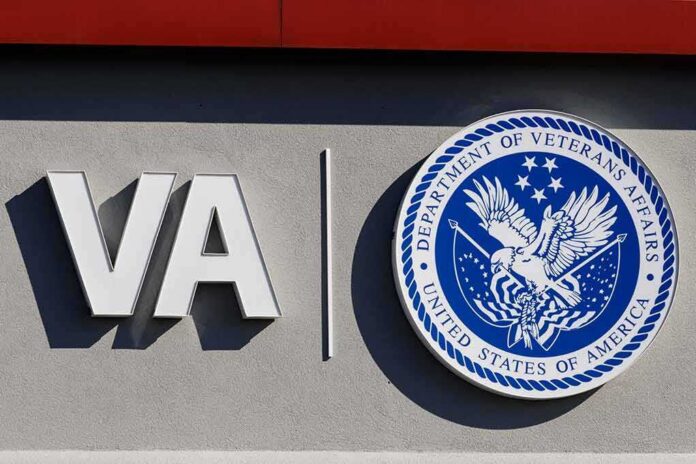
The Department of Veterans Affairs awarded $111.9 million to 191 community groups to help prevent veteran suicide across the country, signaling a large shift toward local, on-the-ground support.
Story Highlights
- VA announced $111.9 million for 191 community organizations nationwide.
- Grants target veterans outside regular VA care through local partners.
- Prior year grantees served about 17,000 people and linked thousands to VA care.
- Local releases confirm awards in several states, showing wide coverage.
What VA Funded And Why It Matters
The Department of Veterans Affairs (VA) said it awarded $111.9 million to 191 community organizations for suicide prevention efforts serving veterans nationwide. The awards come through the Staff Sergeant Parker Gordon Fox Suicide Prevention Grant Program. The program uses local groups to reach veterans who are not in regular VA care and to connect them to help when needed. This approach aims to meet people where they live, using trusted local partners instead of only hospital settings.
VA described eligible recipients as nonprofit groups, local and state governments, tribal organizations, and other community-based providers with the capacity to serve veterans. This structure puts community organizations in the middle of outreach, basic needs support, and referrals to clinical care. The goal is simple: reduce isolation, lower barriers to care, and move veterans into the right services faster. Local releases in Pennsylvania and Idaho show how the national award breaks down in states and regions.
What We Know About Past Results
VA reported that in 2025, organizations funded by earlier Fox grants served about 17,000 veterans, service members, and family members, a 31 percent increase from 2024. Those groups connected 2,647 veterans who had not used Veterans Health Administration services to VA care and resources, which VA said was nearly 1,000 more than the year before. These numbers show growing reach and faster links to care, especially for people who were not already in the system.
These results speak to a core design choice: use local partners to find veterans who do not show up in clinics on their own. Community groups can provide peer support, help with everyday needs, and direct referrals to mental health services. That model can expand access but can also lead to different delivery styles across regions. VA’s own guidance stresses outreach beyond clinics and attention to social stress, like money problems and weak social ties.
Where The Money Is Going On The Ground
Local VA facilities reported specific awards that are part of the $112 million total, confirming that funds are spread across states. Pennsylvania releases cited roughly $1.9 million to several organizations to support community suicide prevention work. Boise VA reported awards to four Idaho organizations under the Fox program, totaling more than $2 million. These posts show that funding touches urban and rural areas and engages a mix of nonprofits and government partners.
Six Ohio veteran groups receive $2.5 million in VA grants to boost suicide prevention efforts pic.twitter.com/U0siSD6GJx
— WCPO 9 (@WCPO) October 28, 2026
The VA also said many grants aim to reach veterans outside regular VA care and to steer them into needed services. That includes help navigating benefits and faster links to clinicians. The agency positioned this as part of a public health model that meets veterans earlier and in more places. While VA’s figures show activity and connections, the agency’s materials focus on reach, capacity, and engagement, not on measured changes in suicide attempts or deaths within this release.
Why This Approach Draws Cross-Ideological Interest
Americans on the left and right agree that bureaucracy often misses people who need help most. This program tries to work around that by funding local groups that already know their communities. Many veterans distrust large systems or cannot easily access them. Local partners can close gaps with simpler intake, peer support, and quick referrals. That approach speaks to a shared concern: help should find people where they are, not only when they show up at a federal door.
Key Caveat And Next Steps
The VA release highlights people served and new links to care but does not claim proven reductions in suicide outcomes in this announcement. As grants roll out, the public will look for clear, simple measures: how many veterans were reached, how fast they got care, and whether crises fell in the places funded. Local reporting of state-by-state awards provides a map for communities to track services and hold partners to their goals over the coming year.
Sources:
military.com, news.va.gov, va.gov, mentalhealth.va.gov
© patriotwise.com 2026. All rights reserved.