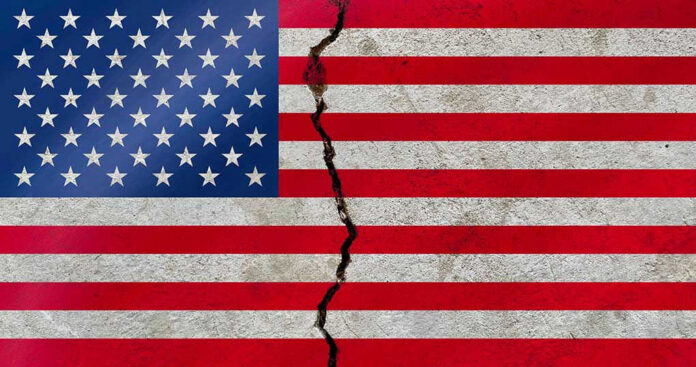
Tucker Carlson’s controversial interview with white nationalist Nick Fuentes has torn the conservative movement apart, forcing leaders to choose sides in a battle that threatens to redefine the boundaries of acceptable discourse on the right.
Story Overview
- Carlson’s platforming of antisemitic commentator Nick Fuentes sparked internal warfare among conservatives
- Heritage Foundation President Kevin Roberts defended Carlson, triggering staff resignations and donor backlash
- The controversy has become a defining test for conservative organizations navigating extremism boundaries
- Deep fractures emerged over Israel support, antisemitism, and the future of America First populism
Heritage Foundation Under Fire for Carlson Defense
Heritage Foundation President Kevin Roberts released a video statement defending Tucker Carlson against what he called a “venomous coalition” attempting to cancel the former Fox News host. Roberts attempted to distinguish legitimate criticism of Israel from antisemitism while backing Carlson’s right to conduct controversial interviews. The defense triggered immediate internal upheaval, with staff resignations and significant donor unease threatening the influential think tank’s stability and funding sources.
The Heritage Foundation’s stance represents a calculated risk that could reshape conservative institutional politics. Roberts’ personal relationship with Carlson complicated the organization’s response, as critics argued the defense prioritized loyalty over principled opposition to extremism. Major conservative donors expressed concerns about associating with figures who platform white nationalists, potentially jeopardizing the foundation’s $100 million annual budget and political influence within Republican circles.
Conservative Movement Fractures Over Extremism Boundaries
The Fuentes interview exposed fundamental disagreements within conservatism about coalition-building and acceptable discourse limits. Prominent conservative figures condemned Carlson’s decision as a moral failing that legitimizes antisemitic voices, while others defended his right to challenge orthodoxy through controversial conversations. This schism reflects deeper tensions between traditional conservative values and the populist nationalism that gained prominence under Trump’s influence on the movement.
Carlson’s interview decision forced conservative organizations nationwide to clarify their positions on extremism and antisemitism. The controversy became a litmus test revealing which leaders prioritize institutional credibility versus populist appeal to nationalist factions. Political analysts noted this episode could trigger a broader reckoning over the conservative movement’s tolerance for figures who flirt with white nationalist themes and conspiracy theories.
Long-Term Implications for Republican Coalition
The civil war over Carlson threatens to fragment the conservative movement at a critical juncture in Trump’s second presidency. Traditional conservatives worry about reputational damage from association with extremist figures, while populist factions view the backlash as establishment attempts to constrain authentic America First voices. This internal conflict could weaken Republican electoral prospects by alienating Jewish voters and suburban constituencies concerned about antisemitism and extremism.
Conservative think tanks and media organizations may face increased scrutiny over their associations and ideological boundaries following this controversy. The Heritage Foundation’s experience demonstrates how personal relationships between leaders and controversial figures can compromise institutional decision-making. Future controversies involving extremism will likely be measured against this episode, as conservative organizations establish clearer standards for managing reputational risks while maintaining intellectual diversity and free speech principles.
Sources:
Conservative Civil War Over Tucker Carlson: Heritage Under Pressure