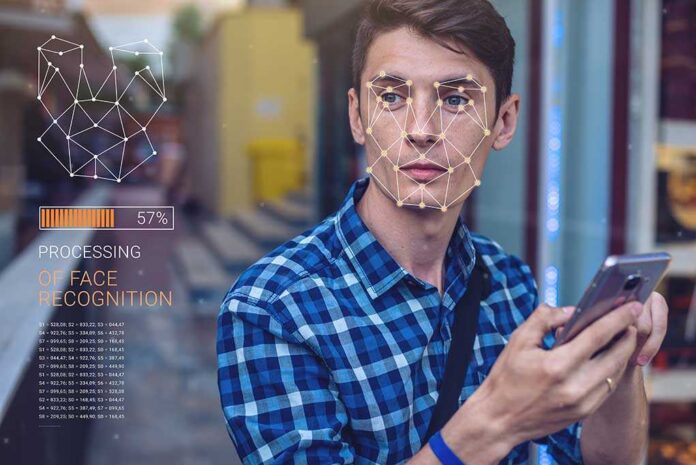
Sam Altman’s World ID biometric system now mandates iris scans for everyday apps like Tinder and Zoom, raising alarms over a tech elite’s push toward mandatory digital IDs that erode personal privacy and freedom.
Story Highlights
- World ID expands to Tinder, Zoom, DocuSign, and ticketing apps with iris-scanning Orbs and tiered biometrics to fight AI bots and deepfakes.
- 18 million sign-ups and 1.6 million AI agents registered, signaling rapid adoption amid privacy concerns.
- Local processing claims protect data, but irreversible iris hashes fuel fears of surveillance in an AI-driven world.
- Regulatory bans in 10+ countries highlight global resistance to biometric mandates.
- OpenAI ties position Altman as a key player in standardizing “proof of personhood” across the web.
World ID’s Rapid Expansion
Tools for Humanity, led by Sam Altman, announced World ID’s growth at a San Francisco event on April 30, 2025. The system targets dating apps like Tinder for global rollout, including the US, following a successful Japan pilot. Partnerships with Zoom prevent deepfakes in video calls, while DocuSign secures signatures against impersonation. Concert Kit handles event ticketing to stop scalping bots. AgentKit enables human-delegated AI agents, registering 1.6 million shortly after launch. This multi-tier verification—selfie, government ID, or Orb iris scan—replaces outdated CAPTCHAs with a “verify once, use everywhere” model.
Biometric Tech and Privacy Claims
World ID uses specialized Orb devices to scan irises, generating irreversible cryptographic hashes processed locally on the device. No biometric data reaches servers, relying on zero-knowledge proofs for anonymous verification. Tiago Sada, Chief Product Officer, outlined tiers: basic selfie, medium government ID via NFC, and high-security Orb. The protocol went open-source recently, alongside a standalone app for credential management. Okta beta tests agent verification. With 18 million sign-ups, proponents tout it as essential for human-AI distinction amid rising deepfakes and bots.
Stakeholders and Power Dynamics
Sam Altman, founder via Tools for Humanity and OpenAI chairman, drives the “proof of personhood” vision. Partners like Tinder reduce catfishing with badges, Zoom combats business fraud, and Shopify eyes e-commerce trust. Platforms select verification tiers, giving World leverage as an open-source layer. Altman’s OpenAI connections suggest broader synergies for bot-free networks. Users access services anonymously, but critics question if this centralizes control under tech giants who prioritize AI agendas over individual choice.
Growing Concerns from Both Sides
Americans across the political spectrum share frustration with elite-driven overreach. Conservatives decry this as another step toward digital surveillance, clashing with limited government and personal liberty principles. Liberals worry about biometric risks despite privacy tech, especially with irreversibility. Bans and probes in over 10 countries underscore political pushback. Short-term wins cut fraud in dating and business; long-term, it risks a universal identity layer controlled by figures like Altman, diverging from America’s founding emphasis on privacy and self-reliance.
Sources:
World Verification Revolution: Sam Altman’s Ambitious Plan to Authenticate Humanity in the AI Era
Times of AI on Sam Altman’s World Project
Axios on Worldcoin Partnerships with Zoom and Shopify