Robert F Kennedy Jr. declared war on ultraprocessed foods, only to turn around and publicly praise a company feeding vulnerable Americans the very same stuff he claims is poisoning the nation—leaving taxpayers wondering if government hypocrisy has reached a new all-time high.
At a Glance
- Robert F. Kennedy Jr., as HHS Secretary, publicly endorsed Mom’s Meals for delivering “healthy” food to Medicaid and Medicare recipients.
- Independent reviews show Mom’s Meals provides ultraprocessed, additive-laden meals, contradicting Kennedy’s own anti-ultraprocessed crusade.
- Federal dollars continue flowing to meal programs serving questionable nutrition, while Kennedy’s regulatory promises on food additives remain just that—promises.
- Nutrition experts and watchdogs rip into the disconnect between rhetoric and reality, warning of health risks and policy credibility collapse.
A “Healthy” Government Program—Or Just More Processed Nonsense?
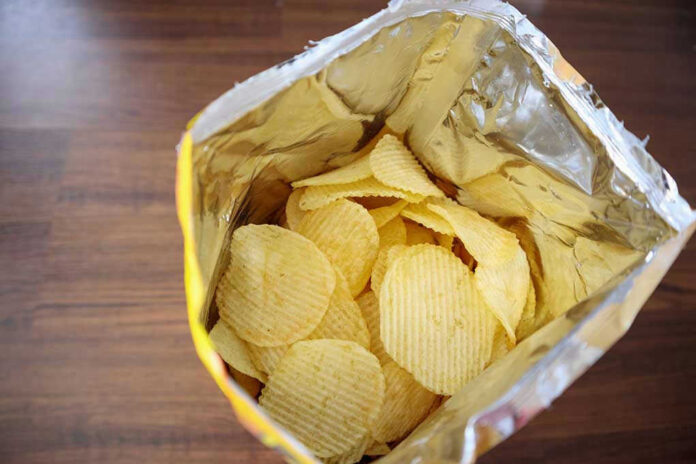
Robert F. Kennedy Jr. swept into the Department of Health and Human Services on a “Make America Healthy Again” platform, railing against the very ultraprocessed foods that have turned too many American pantries into chemical cabinets. The irony? After months of fiery speeches, he took a victory lap at the Oklahoma plant of Mom’s Meals—a company whose products, according to nutrition experts and independent reporters, are stuffed with the same additives and ultraprocessed ingredients Kennedy supposedly wants to banish from government-funded diets. Medicaid and Medicare recipients, the elderly, the chronically ill—these are the Americans relying on these meals, and they’re getting the same old processed fare, just with a shiny government seal of approval slapped on the box.
During his June 2025 tour, Kennedy stood in front of the cameras, praising Mom’s Meals for “providing meals without additives” and calling the company a model for national health. But the Associated Press and other media outlets didn’t buy it. Their investigations revealed the meals are loaded with additives and ultraprocessed components, making Kennedy’s endorsement look like just another empty political gesture. The company, cornered by facts, admitted their products avoid a few controversial ingredients—synthetic dyes and high fructose corn syrup—but didn’t deny the use of other preservatives, stabilizers, and flavor enhancers that make ultraprocessed food what it is. Americans watching this circus are left to wonder: is this genuine reform, or just a new coat of paint on the same crumbling wall?
Medicaid Dollars at Work—But for Whose Health?
Government-funded meal delivery for vulnerable groups has exploded in recent years, with Medicaid and some Medicare plans footing the bill. The logic, at least on paper, is sound: deliver nutritious food to the sick and elderly to keep them healthier and out of the hospital. But when you dig into what’s actually being served, you find meals that are, as New York University nutritionist Marion Nestle bluntly put it, “loaded with additives.” The problem isn’t just with Mom’s Meals—many companies in this space serve up high-salt, high-fat, high-sugar “medically tailored” meals, marketed with a healthy halo but built for shelf life and corporate profits, not for nutrition.
HHS spokesperson Andrew Nixon tried to spin the story, claiming these meals are a “healthy alternative to what people can buy at the grocery store.” That’s a pretty low bar, and it’s not fooling anyone paying attention. The real kicker? Kennedy’s earlier promise to ban artificial food dyes—a move that made for great headlines—hasn’t resulted in a single actual regulation. Instead, the industry was asked to “voluntarily comply.” If you’re seeing a pattern here, you’re not alone: government agencies launching bold-sounding initiatives that fizzle into nothing while the same old problems persist.
The Credibility Crisis: When Public Health Becomes Political Theater
The fallout from this debacle is hitting more than just Kennedy’s reputation—it’s eroding whatever trust is left in government-run health programs. Vulnerable Americans who depend on these meals are left with processed food that nutritionists warn could make their health worse, not better. Taxpayers are footing the bill for a program that, in the eyes of many, amounts to little more than corporate welfare for food companies willing to play the government contract game. Meanwhile, Kennedy’s “Make America Healthy Again” campaign is being hammered as inconsistent at best, performative at worst.
Experts, including Dr. Jessica Knurick, point out that there’s little evidence behind the headline-grabbing bans and a lot of confusion about what really constitutes a “healthy” meal. The result? More frustration for Americans who see a government obsessed with appearances, not outcomes. And as the debate over nutrition policy rages on, meal providers and the food industry know they don’t need to actually change much—just use the right buzzwords and keep the contracts coming. For those who believe in true reform, this saga is a perfect example of what happens when politics, not principle, drives public health policy.