
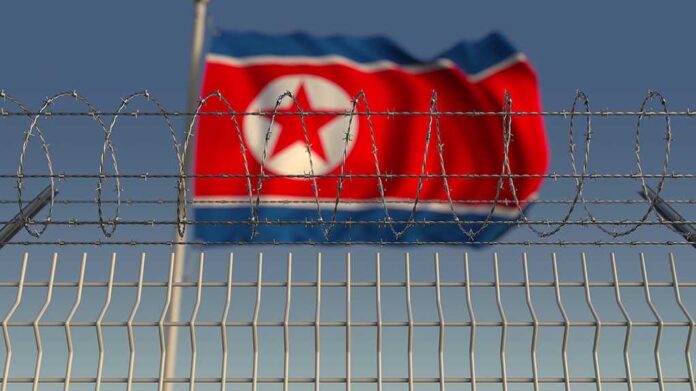
North Korea is tripling its military commitment to Russia with 30,000 additional troops as Putin prepares for a massive offensive against Ukraine, signaling a dangerous escalation in the two-and-a-half-year conflict.
Key Takeaways
- North Korea plans to send 30,000 additional troops to support Russia in Ukraine, tripling its current contribution of approximately 12,000 soldiers
- Russia’s Ministry of Defense claims it can fully equip and train these North Korean forces for large-scale offensive operations
- Moscow has amassed about 50,000 troops along the Sumy region border, suggesting an imminent major assault
- Approximately 600 North Korean soldiers have already been killed, with thousands more wounded in the conflict
- The deployment coincides with observed movements of large ships and cargo aircraft at North Korea’s Sunan airport, similar to patterns seen during previous troop deployments
Massive Troop Deployment Signals Deepening Alliance
Intelligence reports confirm North Korea is preparing to deploy 30,000 additional troops to support Russia’s military operations in Ukraine, nearly tripling its current contribution of 12,000 soldiers. This dramatic escalation in foreign military support comes as Moscow appears to be preparing for a major offensive operation, potentially targeting Ukraine’s northeastern Sumy region. The troops are expected to join Russian forces along frontline positions, with Russia’s Ministry of Defense asserting it can provide all necessary training, equipment, weapons, and ammunition for the expanded North Korean contingent.
South Korea’s National Intelligence Service (NIS) corroborated these reports, warning that Pyongyang plans to send more troops and weapons to support Russia’s war effort. The warning coincides with satellite imagery showing the arrival of a large ship and cargo aircraft at North Korea’s Sunan airport, mirroring patterns observed during last year’s initial troop deployment. This movement suggests an established logistics pipeline between the two nations designed to facilitate the transfer of military personnel and potentially equipment.
⚡️ North Korea to send up to 30,000 more troops to aid Russia's war against Ukraine, CNN reports.
— The Kyiv Independent (@KyivIndependent) July 2, 2025
Preparing for a Major Offensive
Russian forces are reportedly amassing approximately 50,000 troops along the border with Ukraine’s Sumy region, with military analysts suggesting plans to establish a security buffer zone. The addition of 30,000 North Korean soldiers would significantly bolster this force, potentially tipping the balance in what appears to be preparations for a large-scale assault. President Trump’s administration has been monitoring these developments closely, as they represent a concerning escalation in foreign involvement in the conflict.
The deployment comes at a significant human cost to North Korea, with approximately 600 of their soldiers already killed and thousands more wounded since joining Russian operations. Despite these losses, the relationship between Moscow and Pyongyang has only strengthened, with North Korean leader Kim Jong Un publicly acknowledging the alliance and paying tribute to fallen soldiers in a rare display of emotion during a recent ceremony.
Strategic Implications for Regional Security
This massive troop deployment represents a significant shift in the international dimensions of the Ukraine conflict. What began as a regional conflict has now drawn in one of Asia’s most isolated and militarized nations, creating new security challenges across multiple continents. For President Trump’s administration, this development complicates efforts to bring stability to Eastern Europe while managing growing tensions in the Asia-Pacific region. The arrangement also appears mutually beneficial – Russia gains much-needed manpower while North Korea likely receives valuable military technology, economic support, and diplomatic protection.
NATO allies have expressed grave concern over this escalation, with several European nations calling for additional sanctions against both Russia and North Korea. However, with Russia’s permanent seat on the UN Security Council and China’s continued diplomatic support for both nations, meaningful international action faces significant obstacles. This expanding military cooperation between Russia and North Korea represents one of the most significant challenges to Western security interests since the conflict began, underscoring the importance of a strong, coordinated response from President Trump and allied nations.