Federal immigration agents faced a humiliating retreat on slashed tires after a massive crowd in Rochester’s sanctuary city blocked their raid, reigniting fierce debate over local resistance to federal law and the future of immigration enforcement under President Trump.
Story Snapshot
- Federal agents attempted a workplace immigration raid in Rochester, NY, but were forced to withdraw after facing over 200 protesters.
- Activists, attorneys, clergy, and community leaders coordinated rapid resistance, directly intervening to protect two workers.
- The confrontation ended with only one arrest, highlighting the challenges of enforcing immigration law in sanctuary cities.
- The standoff raises concerns about escalating defiance against federal authority and the erosion of law-and-order principles.
Federal Agents Confront Local Resistance During Enforcement Raid
On September 9, 2025, federal immigration agents, including ICE and U.S. Border Patrol, arrived early at a roofing job site in Rochester, NY, targeting workers for detention. The agents’ presence quickly drew attention from local residents, notably Katie Tobin, who verified their identities and alerted advocacy networks. Within hours, a diverse coalition of activists, attorneys, clergy, and union representatives mobilized, swelling the crowd to over 200 people. The protestors physically blocked agents’ movements, supported workers perched on the roof, and created a tense standoff that lasted until agents retreated, having only managed to arrest one individual.
Federal agents forced to retreat on slashed tires after immigration raid confrontation in sanctuary city https://t.co/4dipLuuDlC #FoxNews
— Rob Beto Aragon🇺🇸🇮🇱🇻🇦 (@gopwillrise) September 10, 2025
This direct intervention in a sanctuary city—a jurisdiction officially limiting cooperation with federal immigration enforcement—represents an increasingly frequent, though still rare, form of local resistance. The coordinated response included rapid communication channels among groups like Metro Justice, labor unions, and faith organizations. Legal advocates provided on-site support, ensuring the two remaining workers received protection and eventual legal assistance. Such mobilizations are designed to disrupt federal operations and leverage both public pressure and legal ambiguity to prevent detentions.
Sanctuary Policies and Power Struggles Between Federal and Local Authorities
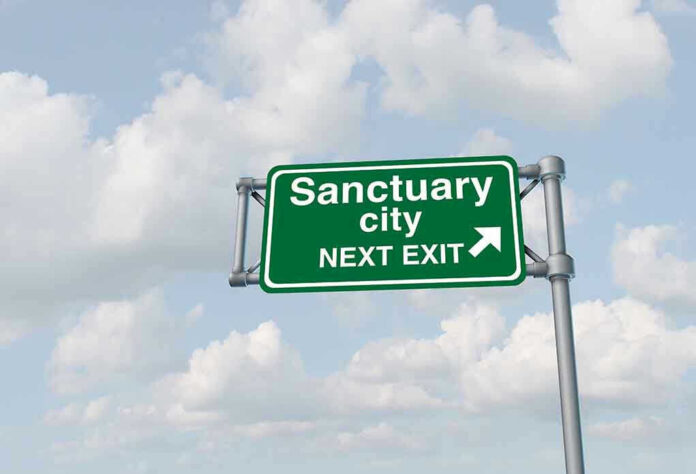
Sanctuary city policies, such as those in Rochester, create a complex legal and political environment for federal enforcement actions. These policies restrict local law enforcement from assisting ICE, fostering community expectations of protection for undocumented immigrants. The September raid unfolded in the Park Avenue neighborhood, a mix of residential and commercial properties near the George Eastman Museum, amplifying visibility and community engagement. Similar incidents in upstate New York have sparked protests, but rarely have crowds forced federal agents to withdraw in such a public manner. This event underscores the ongoing national debate over immigration, states’ rights, and federal authority.
The power dynamics on display—federal agents versus organized local resistance—reflect broader tensions in American governance. Advocacy groups have developed rapid response protocols, utilizing real-time alerts and legal resources to challenge ICE operations. Local officials, including Monroe County Legislator Rachel Barnhart, publicly condemned the raid and praised the community’s mobilization. The standoff raises critical questions for the Trump administration, which has prioritized restoring law-and-order and ending sanctuary policies that undermine federal immigration efforts.
Impact on Law Enforcement, Local Communities, and Conservative Values
The immediate impact of the raid was heightened vigilance among advocacy organizations and increased tension between federal and local authorities. For local businesses reliant on immigrant labor, such disruptions threaten productivity and stability. The broader Rochester community, invested in sanctuary policies, views these interventions as both a defense of vulnerable workers and a challenge to federal law. However, for conservatives, the spectacle of federal agents forced to retreat—reportedly on slashed tires—represents a troubling erosion of law enforcement authority and a disregard for constitutional principles. If these interventions become more frequent, they risk normalizing civil resistance to federal law, jeopardizing the rule of law and public safety.
Long-term implications include political pressure on both local and federal officials to reassess enforcement strategies. The event may embolden similar resistance tactics in other sanctuary cities, complicating efforts to address illegal immigration and restore order. Economic effects include possible labor shortages in construction and roofing sectors, while advocacy groups anticipate increased demand for legal and support services. The standoff also intensifies scrutiny of ICE’s operational effectiveness and the limits of federal power when local cooperation is absent.
Expert analyses highlight the rarity and effectiveness of such community interventions, especially where sanctuary policies limit local cooperation with ICE. Legal scholars note the complex, often ambiguous boundaries between federal authority and local autonomy. Sociologists view these events as pivotal in shaping the national narrative around immigration, governance, and grassroots activism. While some community members defend civil resistance as necessary, others warn that undermining federal law enforcement sets a dangerous precedent, threatening social stability and constitutional order. For conservative Americans, the episode serves as a stark reminder of the ongoing struggle to reassert national sovereignty, defend the rule of law, and combat policies that embolden defiance against lawful authority.
Sources:
ICE raid disrupted by crowd of opposition
Dozens gather to protest after Border Patrol seen on Westminster