
The Trump administration has fired federal judges’ U.S. attorney appointments within hours of their selection, escalating a constitutional showdown over who controls America’s prosecutorial system—and patriots need to understand what this battle means for the rule of law.
Story Snapshot
- Federal judges appointed Donald T. Kinsella as U.S. attorney in New York; Deputy AG Todd Blanche fired him hours later, declaring judges lack constitutional authority under Article II
- Similar firings occurred in at least five districts nationwide, exposing a coordinated clash between the Trump administration and federal judiciary over appointment powers
- Judge Lorna Schofield ruled Trump’s interim appointee John Sarcone unlawfully served after his 120-day term expired, blocking his investigation into leftist NY AG Letitia James
- Attorney General Pam Bondi condemned “rogue judges” threatening presidential powers, while the administration appeals judicial rulings upholding statutory appointment authority
Judges Assert Authority as Administration Defies Orders
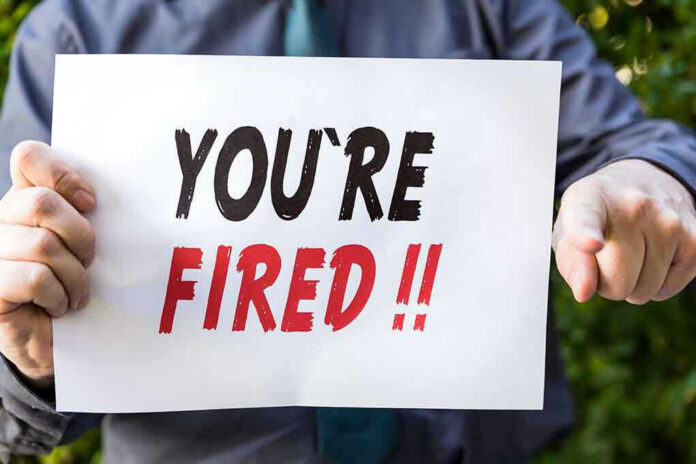
Federal judges in New York’s Northern District appointed former prosecutor Donald T. Kinsella as U.S. attorney on Wednesday, February 11, 2026, after determining the Trump administration’s interim appointee was serving unlawfully. Within hours, Deputy Attorney General Todd Blanche announced on X: “You are fired, Donald Kinsella. Judges don’t pick U.S. Attorneys, [the president] does. See Article II of our Constitution.” The swift dismissal represents a direct challenge to judicial authority under federal vacancy laws, which grant judges appointment power when the Senate fails to confirm a replacement within 120 days of an interim appointee’s term expiration.
Administration’s Creative Workaround Blocked by Courts
The conflict began when John Sarcone, a former Trump campaign attorney, served as interim U.S. attorney until his 120-day term expired in July 2025. Rather than accept judges’ refusal to extend his term, Attorney General Pam Bondi appointed Sarcone as first assistant U.S. attorney while granting him “special attorney” powers to continue leading the office. U.S. District Judge Lorna Schofield ruled in January 2026 that this maneuver violated federal vacancy laws, finding Sarcone “is not lawfully serving as Acting U.S. Attorney.” The judge also barred Sarcone from overseeing a politically sensitive investigation into New York Attorney General Letitia James regarding her civil fraud cases against Trump.
Pattern Emerges Across Multiple Districts Nationwide
The New York firing is not isolated. Similar confrontations unfolded in at least five districts including New Jersey, California, Virginia, and Nevada. In New Jersey, judges appointed career prosecutor Desiree Leigh Grace after Trump’s interim appointee Alina Habba—the president’s former personal attorney—faced her term’s expiration. The DOJ fired Grace within hours, with Bondi declaring on X: “This Department of Justice does not tolerate rogue judges—especially when they threaten the President’s core Article II powers.” In Virginia, a federal judge dismissed criminal indictments against Letitia James and former FBI Director James Comey after finding interim U.S. Attorney Lindsey Halligan was serving unlawfully. Halligan continued using the title despite judicial orders before leaving the Justice Department.
Constitutional Authority Under Appellate Review
The Trump administration argues Article II grants the president exclusive appointment authority that cannot be limited by statute, a position challenging decades of precedent. Previous administrations recognized judicial appointment authority when Senate confirmation stalled beyond 120 days. The government has appealed Judge Schofield’s ruling and requested a temporary stay while federal appellate courts consider the issue. The outcome will determine whether the administration can circumvent Senate confirmation through interim appointments or whether judicial authority to fill vacancies remains intact. This dispute raises fundamental separation-of-powers questions, with the Senate’s constitutional confirmation role effectively sidelined if the administration’s strategy succeeds.
Prosecutorial System Faces Credibility Crisis
Multiple U.S. attorney offices now operate under competing claims of authority, creating institutional paralysis affecting investigations and prosecutions. Career prosecutors face loyalty conflicts while criminal defendants may challenge indictments based on questions about prosecutorial legitimacy. The blocking of Sarcone’s investigation into Letitia James highlights how this constitutional battle directly impacts politically sensitive cases. If judges’ authority is upheld, the administration must either seek Senate confirmation or accept judicial appointments. If the administration prevails, executive control over federal prosecutors would expand significantly without meaningful Senate oversight. The conflict’s resolution will shape federal law enforcement’s structure and independence for years, determining whether constitutional checks on executive power remain effective or become procedural formalities.
Sources:
Former Trump attorney Alina Habba passed over for permanent US attorney role – ABC News