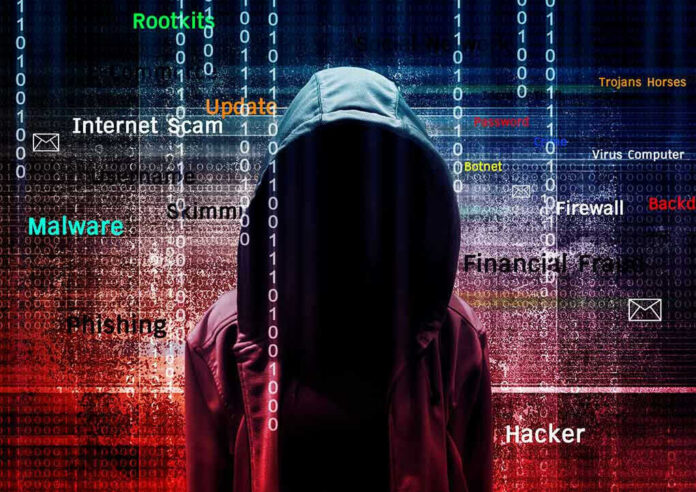
North Korean operatives infiltrated 136 U.S. companies by exploiting remote work and American facilitators, funneling millions to a hostile regime while exposing glaring national security vulnerabilities that demand urgent action.
Story Highlights
- Five individuals, including four Americans, pleaded guilty for aiding North Korea’s IT fraud scheme targeting U.S. businesses.
- North Korean operatives used stolen or fake identities to secure remote jobs and bypass security checks, funding Pyongyang’s weapons programs.
- Over $2.2 million was funneled to North Korea, with more than $15 million in cryptocurrency seized by the DOJ.
- This massive breach undermined U.S. companies and highlights persistent threats from foreign adversaries exploiting policy and technology gaps.
North Korean Cybercrime Operation Exposed in the U.S.
The Department of Justice announced that five defendants—four U.S. citizens and one Ukrainian—pleaded guilty to facilitating a North Korean scheme that penetrated 136 American businesses. These individuals provided stolen or real identities, hosted laptops, and assisted North Korean operatives in passing vetting processes. This enabled operatives to obtain remote IT jobs and direct millions to the regime in Pyongyang, a nation notorious for hostility toward American interests and values. The scheme remained active for years, culminating in guilty pleas in November 2025 after an extensive federal investigation.
New – DOJ Busts North Korean IT Fraud: Five Plead Guilty https://t.co/4Eyz78FoaB
— FoxProMAGA (@FoxProMAGA) November 14, 2025
North Korea’s cyber units, infamous for targeting financial institutions and cryptocurrency exchanges, have now exploited the vulnerabilities of America’s accelerating remote work culture. The COVID-19 pandemic accelerated remote hiring, creating new opportunities for malicious actors to evade even basic background checks. North Korean hackers, aided by American facilitators, took advantage of this environment to infiltrate U.S. companies, steal identities, and funnel over $2.2 million directly to the regime. The DOJ also seized more than $15 million in cryptocurrency linked to these criminal operations, underscoring the scale and sophistication of the threat.
Facilitators Enabled Sanctions Evasion and National Security Risks
The facilitators, motivated by financial gain, played a critical role in helping North Korean operatives bypass company security and U.S. sanctions. They provided legitimacy and technical support, allowing North Korean workers to pass as legitimate remote employees. This breach not only resulted in substantial economic losses for American companies but also helped fund North Korea’s weapons programs—directly undermining both U.S. national security and the integrity of our economic system. The DOJ’s actions represent an important step in holding these enablers accountable and disrupting foreign adversarial funding streams.
U.S. Attorney Jason A. Reding Quiñones emphasized that the United States will not allow North Korea to bankroll its weapons programs by preying on American companies and workers. Ongoing investigations aim to uncover additional facilitators and networks, reflecting a broader commitment to defending American interests against state-sponsored cyber threats. While these guilty pleas mark a victory for American law enforcement, they also signal a sobering reality: remote work, if left unchecked, opens new fronts for hostile regimes to attack our institutions from within.
Impacts on American Businesses, Families, and Security
The fallout from this scheme is immense. American companies incurred millions in losses and now face heightened compliance and security requirements, especially in the IT and tech sectors. The case erodes trust in remote work platforms and raises serious concerns about identity theft and insider threats. For American workers, increased vetting and job displacement are likely consequences, as employers scramble to prevent similar infiltrations. On a broader scale, the successful penetration of so many companies by a hostile foreign power highlights just how vulnerable our systems remain—and why the push for strong vetting, constitutional protections, and national security vigilance must never relent.
Experts warn that as remote work becomes more prevalent, adversaries will continue adapting their methods to exploit policy and technology gaps. The DOJ’s crackdown—seizing assets and securing guilty pleas—is a necessary response, but it must be followed by sustained vigilance from both the government and private sector. This episode serves as a stark reminder that constitutional protections, strong borders, and robust American values are not abstract ideals—they are the bulwarks that protect our nation from foreign exploitation and domestic complacency.
Sources:
North Korea IT workers scheme: Five plead guilty in US – UPI
North Korean remote work IT scam: Five plead guilty in US – Politico
DOJ Continues Crackdown on North Korea’s Cyber Schemes – BankInfoSecurity