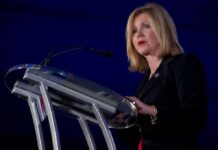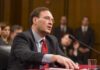


Dr. Mehmet Oz has put California unions at the center of a new Medicaid fraud fight, arguing that they may be among the biggest winners when oversight breaks down.
Quick Take
- Oz says powerful California unions benefit when Medicaid fraud grows in home-care programs.
- He links that growth to union dues, campaign money, and political pressure on state leaders.
- Federal officials have already deferred about $867 million in California Medicaid payments over fraud concerns.
- Critics say Oz is stretching a real fraud problem into a broader political and labor argument.
Oz Ties Fraud Concerns to Union Power
Oz made the claim in a New York Post op-ed and in a separate video interview. He said the “biggest beneficiaries” of California’s IHSS home-care system include powerful unions and the politicians they support. Oz argued that more fraud can mean more caregivers, more union dues, and more money for campaign donations. His case rests on a chain of incentives, not on a public finding that fraud payments flowed directly to unions.
The political message is clear. Oz is not just talking about bad billing or weak controls. He is saying the structure of California’s home-care system helps unions grow while making elected officials less willing to tighten the rules. That argument lands in a state where Medicaid home- and community-based care is large, expensive, and hard to police. It also taps into a long-running dispute over whether public spending grows because of need, politics, or both.
What Federal Officials Say About California Medicaid
The fraud case itself is not fictional. Federal officials have already deferred about $867 million in California Medicaid payments over fraud concerns, and Oz has said roughly three-quarters of that amount is tied to the state’s In-Home Supportive Services program. In public remarks, he also said the administration sees suspicious growth in California home care spending. Those statements show why the issue has become a major fight between Washington and Sacramento.
Oz has widened that fight beyond budgeting. He has accused California leaders of failing to act on fraud, described some networks as organized crime, and said the problem is far bigger than one program. Reporting also shows that his office has emphasized broader fraud patterns in hospice and home health care, while saying not every billing item he cited should be treated as improper. That makes the spending surge real, but the exact amount of fraud still a matter for investigation.
Why the Union Claim Is More Inference Than Proof
The strongest evidence for Oz’s union theory is his own reasoning. He says lax fraud controls can expand the caregiver workforce, raise union dues, and increase political donations to officials who oversee the money. He also told viewers that home-care workers can be unionized in ways that feed those incentives. But the public record in this story does not show a documented pipeline from fraudulent Medicaid dollars into union accounts. It shows an argument about incentives, not a proven money trail.
That distinction matters because California’s home-care system sits at the intersection of labor politics, welfare spending, and fraud enforcement. Supporters of tougher oversight see a state program vulnerable to abuse. Labor advocates and some fact-checkers say critics often blur the line between legitimate care spending, workforce growth, and actual fraud. For readers on both sides, the broader lesson is familiar: when a large public program gets weak control, the costs fall on taxpayers first and the political fights come next.
Sources:
nypost.com, theguardian.com, facebook.com, youtube.com, kffhealthnews.org
© patriotwise.com 2026. All rights reserved.