
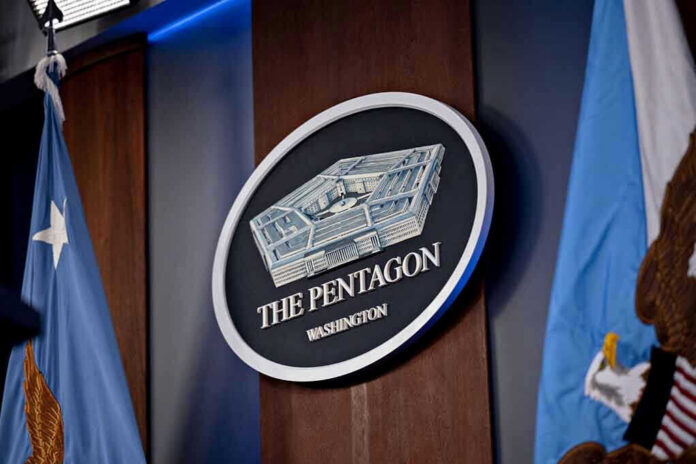
America has already spent $37.5 billion on the Iran war, and the Pentagon is now asking Congress for billions more as the nation’s debt soars and basic needs at home go unmet.
Story Snapshot
- Defense Secretary Pete Hegseth told senators the Iran war has cost an estimated $37.5 billion so far.
- The new figure is higher than earlier Pentagon estimates of $25 billion and then $29 billion in just a few weeks.
- Hegseth used the $37.5 billion number to defend a push for tens of billions in extra military funding from Congress.
- Experts say official war price tags often leave out big long-term costs, raising fears taxpayers are not seeing the full bill.
Hegseth Reveals New $37.5 Billion Price Tag for Iran War
Defense Secretary Pete Hegseth appeared before the Senate Appropriations Committee and said the United States war against Iran has cost $37.5 billion so far. He explained that the number covers military pay and other direct costs through September 30, tying it to the current budgeting year. The hearing came as Republicans push a roughly $95 billion package that mixes war money with other priorities, including farm aid and changes to election rules, making the conflict part of a larger Washington spending fight.
Senators from both parties pressed Hegseth on how fast the war’s price has climbed and what taxpayers will be asked to cover next. In earlier testimony this spring, Pentagon budget chief Jay Hurst told lawmakers the war had cost about $25 billion, mainly for munitions and repairs. Within weeks, Hurst revised that figure to nearly $29 billion, citing updated equipment repair and operational expenses to keep forces in the field. Hegseth’s $37.5 billion estimate marks another sharp jump in a short time.
From $25 Billion to $37.5 Billion: Why the Numbers Keep Changing
Pentagon officials say the rising estimates reflect new bills coming in for gear repairs, replacements, and day-to-day war operations. Hurst described the 29 billion dollar figure as a moving target that his team constantly updates as more costs are counted. The first official estimate of $25 billion came only two months into the war, itself compared to the annual budget of the National Aeronautics and Space Administration (NASA) to show the scale of spending. The leap to 37.5 billion dollars suggests the war is burning through money far faster than Americans were first told.
Outside analysts warn this is a familiar pattern in modern U.S. wars. Research from Brown University’s Costs of War project finds that official Pentagon figures usually track direct budget costs—troops, fuel, bombs, and equipment—while leaving out long-term care for veterans, interest on borrowed money, and broader economic damage. Studies of the Afghanistan and Iraq wars show total federal spending climbing into the trillions once those hidden costs are included. That history fuels concern that the stated $37.5 billion for Iran is only the visible tip of a much larger bill.
Taxpayer Burden, National Debt, and Growing Public Anger
Most Americans never see war costs in their daily lives, yet they pay them through higher national debt and squeezed budgets for domestic needs. The United States debt is now in the tens of trillions of dollars, with more than one hundred thousand dollars effectively owed per citizen. Every new war dollar added to the ledger makes it harder to fund schools, roads, health care, and social programs without higher taxes or more borrowing. That reality feeds anger across the political spectrum at a federal government that seems far better at writing war checks than solving problems at home.
The Pentagon estimates the US military's war against Iran will cost roughly $37.5 billion by the end of the current fiscal year, Defense Secretary Pete Hegseth told members of the Senate Appropriations Committee on Tuesday. https://t.co/XGFQjbpzv5
— AL-MONITOR (@AlMonitor) July 22, 2026
Conservatives who are tired of “forever wars” and global adventures see the Iran conflict as another drain on workers, savers, and retirees for goals they do not fully trust or understand. Liberals, meanwhile, point out that tens of billions can appear overnight for bombs and missiles while leaders claim there is “no money” for housing, health care, or reducing the divide between rich and poor. Both sides share a deeper fear: that a small circle of elite decision-makers, contractors, and lobbyists profit from war while average families carry the debt and bear the risk.
What the $37.5 Billion Figure Really Tells Us
Hegseth insists the Pentagon’s budget plan is “fiscally responsible” and that the Iran war spending is necessary to protect U.S. interests and keep troops supplied. Yet the fast-rising numbers and the lack of clear answers about long-term costs have left many lawmakers and citizens uneasy. Experts say honest accounting should separate true war needs from unrelated wish lists and clearly show what each new dollar buys. Without that transparency, the $37.5 billion figure may be less a firm statement of cost and more a reminder of how easily huge sums can move through Washington with limited public understanding or control.
Sources:
nbcnews.com, the-journal.com, newrepublic.com, facebook.com, nytimes.com, youtube.com, straitstimes.com, responsiblestatecraft.org, hks.harvard.edu, csis.org, costsofwar.watson.brown.edu, linkedin.com
© patriotwise.com 2026. All rights reserved.