Eleven times in one holiday weekend, U.S. Air Force fighter jets had to intercept trespassing aircraft over Trump’s Bedminster golf club—yet the government keeps acting shocked, as if defending a President is some bizarre inconvenience instead of a basic constitutional duty.
At a Glance
- U.S. Air Force F-16s intercepted 11 unauthorized aircraft over Trump’s Bedminster club during the July 4th weekend.
- Temporary Flight Restrictions (TFRs) routinely protect airspace when a president or former president is present.
- Incursions are often blamed on pilot error or poor communication, not deliberate threats.
- The incidents highlight ongoing security challenges and spark debate over the cost, communication, and necessity of such restrictions.
Fighter Jets Scramble—Again—Over Trump’s Bedminster Club
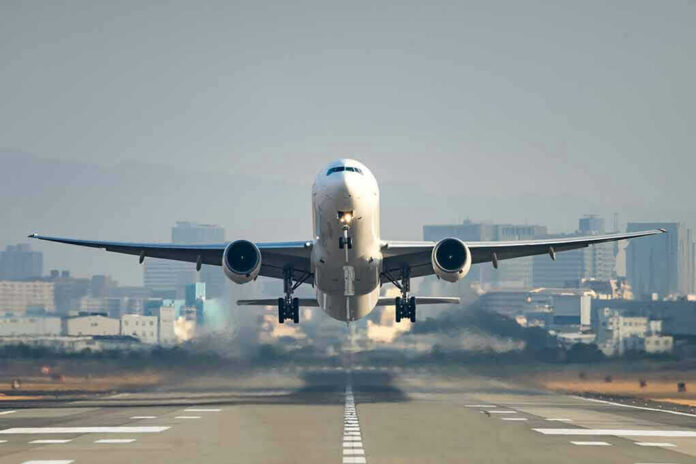
On Sunday, July 6, 2025, U.S. Air Force fighter jets intercepted their eleventh unauthorized aircraft of the weekend near Trump’s Bedminster golf club, all because yet another hapless pilot managed to miss the gigantic Temporary Flight Restriction (TFR) that gets slapped over the area every time the President sets foot on his own property. The F-16s, courtesy of NORAD, performed “headbutt” maneuvers—flying close across the nose of the intruding aircraft to get the pilot’s attention.
And the government’s response? Same as always: stern reminders to “check your NOTAMs,” as if the blizzard of bureaucratic notices pilots have to wade through is the easiest thing in the world to decipher. Because nothing says “freedom” like needing military jets to chase down Cessnas in the skies above New Jersey just to keep a president safe, right?
The Never-Ending TFR Circus
Temporary Flight Restrictions are supposed to be about security. The FAA establishes them every time the President—or, in this case, Donald Trump—visits a location. These TFRs are meant to keep unauthorized aircraft out of sensitive airspace. But with the Bedminster club right next to some of the busiest general aviation corridors in the country, and with the Fourth of July holiday attracting swarms of pilots, violations aren’t just likely—they’re practically guaranteed.
Let’s get real: how many times do we need to scramble jets for this before someone admits the system is broken? Pilots complain the NOTAM (Notice to Airmen) system is a confusing mess, while the FAA and NORAD insist their procedures are clear and effective. In reality, it’s average Americans—private pilots, residents, and travelers—who get caught in the middle, dealing with airspace closures, F-16 flybys, and bureaucratic finger-pointing.
Security Theater or Essential Protection?
NORAD, the FAA, and the Secret Service all claim that these intercepts are crucial for national security. General Gregory Guillot of NORAD emphasized their “joint mission” with the FAA to keep the skies safe and to protect the President. No one disputes the need to keep our leaders secure—but why does it always feel like the government’s left hand doesn’t know what the right hand is doing?
Every single one of the intercepted aircraft this weekend was safely escorted out of the restricted airspace. No accidents, no injuries, no actual threats—just a parade of pilots who apparently missed the memo. Aviation security experts point out that most of these violations stem from genuine confusion, not malice. Some in the general aviation community argue the TFRs themselves are poorly communicated and overly broad, while others insist there’s no room for error when national security is at stake.
Who Pays for This Mess? Ordinary Americans, as Always
Every time jets scramble, it’s taxpayers footing the bill. Every time airspace gets locked down, it’s local businesses, residents, and pilots who lose time and money. And every time a President’s security triggers another military response, we get to watch our government act surprised at the chaos they themselves have engineered. The incidents at Bedminster are just the latest example of a system obsessed with security theater, while failing to address the root causes—poor communication, confusing regulations, and a total lack of accountability for those in charge.
Meanwhile, the debate rages on over whether these measures are justified. The only thing everyone agrees on is that this cycle will keep repeating: more TFRs, more intercepts, more costs, and more frustration for law-abiding Americans who just want to fly or live in peace. Maybe one day, someone in Washington will try common sense instead of more bureaucracy—but don’t hold your breath.
Sources:
WBZ NewsRadio/iHeart (via New York Post)
Hindustan Times (via Reuters, New York Post)