
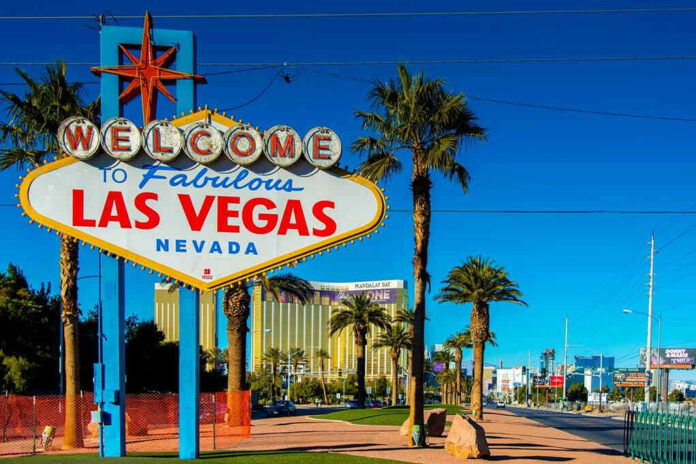
A contagious horse virus is now stalking the National Finals Rodeo in Las Vegas, threatening the very western heritage and rural economy that coastal elites never understood and too many past politicians ignored.
Story Snapshot
- A confirmed EHV‑1 outbreak tied to National Finals Rodeo horses has triggered quarantines, movement limits, and event changes in Las Vegas.
- Emergency restrictions are disrupting the “Super Bowl of rodeo,” jeopardizing competitors, livestock, and small businesses that rely on NFR traffic.
- State vets and organizers are racing to contain the virus while trying to keep the event alive under tight biosecurity rules.
- The outbreak exposes how fragile rural, western economies become when core events hinge on dense livestock gatherings.
Confirmed Virus Threat at the “Super Bowl of Rodeo”
A confirmed outbreak of equine herpesvirus (EHV‑1) among performance and rodeo horses headed into or competing around the National Finals Rodeo in Las Vegas has forced authorities to hit the brakes on business-as-usual at the sport’s biggest stage. Health officials and organizers have moved quickly into emergency mode, imposing quarantines, restricting horse movements, and reshaping portions of the competition schedule to try to keep the virus from racing through tightly packed barns and arenas.
Las Vegas media report that the EHV‑1 outbreak is already “forcing major changes” at this year’s NFR and costing nearby businesses thousands of dollars in lost revenue as horse traffic slows and some activities are curtailed. For rural families and small operators who circle these dates on the calendar every year, this is not an abstract public‑health story; it is another hit to their bottom line in a decade already marred by inflation, higher costs, and urban‑centric policymaking.
How EHV‑1 Spreads Through High‑Density Rodeo Circuits
Equine herpesvirus‑1 is an endemic horse virus that can cause respiratory disease, abortions in broodmares, and a neurologic condition that can leave otherwise healthy animals unstable or unable to stand. It spreads primarily through respiratory droplets and contaminated equipment or stalls, turning high‑density show and rodeo facilities into ideal transmission hubs. Stress from hauling, rapid show schedules, and crowded temporary barns—conditions common on the fall rodeo circuit—can push latent infections into active, contagious cases.
In the weeks leading into the NFR, competitors haul from jackpot to jackpot and from regional qualifiers into staging facilities, often sharing warm‑up pens, alleyways, and wash racks. Based on patterns seen in prior EHV‑1 clusters, one busy venue or barn can seed multiple later infections across state lines once exposed horses begin traveling. By late November or early December, veterinarians following these circuits detected fevers and neurologic signs in some horses, ran tests, and confirmed EHV‑1, triggering mandatory reporting to state animal‑health officials and the hard pivot into disease‑control mode.
Emergency Restrictions and Their Economic Fallout
Once the link to NFR‑bound or NFR‑adjacent horses became clear, Nevada authorities and organizers implemented a familiar but painful playbook: tightened entry requirements, stepped‑up veterinary checks, daily temperature monitoring, and isolation of any horse showing suspicious signs. Horses connected to known exposure sites faced movement restrictions or outright quarantine orders. Ancillary horse events—exhibitions, clinics, or off‑site shows that normally ride the NFR wave—have been trimmed back, modified, or shelved to reduce mingling among herds.
For hotel owners, boarding barns, farriers, western‑wear shops, and restaurants that budget around December rodeo business, those changes mean fewer rigs pulling in, shorter stays, and smaller tabs at the end of the night. Local outlets are already documenting “thousands of dollars” in lost revenue as the outbreak casts a shadow over what should be peak season. After years of inflation driven by Washington’s spending binges, many of these mom‑and‑pop operations were counting on full‑throttle NFR traffic to balance their books; instead, they are navigating a scaled‑back event under tight health controls.
Rural Stakeholders Caught Between Biosecurity and Survival
Professional Rodeo Cowboys Association leaders, Las Vegas organizers, and the Nevada Department of Agriculture are all under pressure to get the balance right: protect animal health and contain the virus without pulling the plug on the sport’s crown jewel. State vets hold the regulatory hammer, with authority to order quarantines and dictate health rules, while organizers must also satisfy insurers, sponsors, and fans that they are taking EHV‑1 seriously. Event veterinarians, meanwhile, are working in the barns daily, making judgment calls on suspect horses and enforcing sanitation protocols.
Contestants and stock contractors bear much of the real‑world risk. Many have six‑figure investments in their horses and rolling stock, plus years of work qualifying for a shot in Las Vegas. They now must decide whether to haul into a controlled outbreak zone or sit out and swallow the financial loss. Their decisions carry ripple effects: if enough top hands and horses stay home, the competitive legitimacy and drawing power of the NFR suffer, further denting revenues for the very rural communities and western businesses that already took disproportionate hits under past urban‑first policy regimes.
Lessons for Future Rodeos and Western Heritage Events
This EHV‑1 episode will likely become a template for how major rodeos handle livestock disease threats in the coming years. Organizers nationwide are watching to see whether stronger pre‑event health documentation, stricter temperature‑logging, designated isolation barns, and clearer barn‑traffic designs can keep a large‑scale event running while containing an active outbreak. If the NFR manages to finish the run with minimal additional cases and transparent communication, it may strengthen the argument that proactive, science‑based protocols can protect both animal welfare and the western way of life without yielding to heavy‑handed calls for cancellation.