

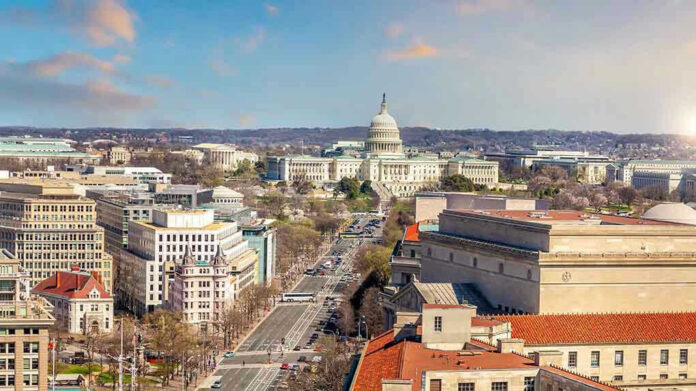
Federal taxpayers are hemorrhaging $81 million annually to keep 10,000 vacant and underutilized government buildings running while bureaucrats drag their feet on desperately needed reforms.
Story Snapshot
- Over $81 million in taxpayer funds wasted annually on approximately 10,000 empty or underused federal buildings
- Congressional Research Service identified 7,697 vacant and 2,265 underutilized properties as of 2022
- Trump administration inherits decades of bureaucratic mismanagement and deferred maintenance backlogs
- GSA announced plans to dispose of 23 properties, potentially saving $1 billion over 10 years
Decades of Government Mismanagement Surface
The federal government’s bloated real estate portfolio represents a textbook case of bureaucratic waste. Congressional Research Service data reveals 7,697 vacant buildings alongside 2,265 underutilized properties draining taxpayer coffers. The General Services Administration oversees most federal real estate, including buildings over 50 years old that cost more to maintain than they deliver in value. This misalignment between government footprint and actual needs exemplifies the kind of fiscal irresponsibility that drove voters to demand change.
Remote Work Policies Accelerate Building Abandonment
COVID-19 pandemic policies accelerated remote work adoption across federal agencies, leaving office buildings virtually empty. Government Accountability Office reports show many agencies now utilize 25% or less of their headquarters space. The USDA, HUD, HHS, DOL, DOE, and OPM occupy buildings far exceeding their operational requirements. This dramatic shift in work patterns exposes how government bureaucrats maintained expensive real estate portfolios without justification, prioritizing their comfort over taxpayer burden.
Reform Efforts Meet Bureaucratic Resistance
Despite legislative mandates passed in January 2025 directing agencies to accelerate consolidation efforts, bureaucratic inertia continues hampering progress. The GSA published then mysteriously retracted a federal building sale list in March 2025 amid political pushback, demonstrating how entrenched interests resist accountability. The Public Buildings Reform Board released analysis showing inconsistent data collection and reporting practices that obscure the true scope of waste. These tactics mirror the swamp mentality Trump campaigned against.
Trump Administration Inherits Massive Cleanup Operation
The incoming administration faces a $425 million proposal for real estate optimization programs while confronting billions in deferred maintenance costs. The Federal Assets Sale and Transfer Act of 2016 achieved limited success under previous leadership, highlighting the need for aggressive executive action. GSA’s plan to dispose of 23 properties totaling 3.5 million square feet represents a starting point, but the scale demands comprehensive reform. This situation perfectly illustrates why voters rejected the status quo and demanded a businessman’s approach to government efficiency.
Real estate analysts warn that federal buildings are often outdated and costly to retrofit, making them less attractive for private sector reuse. However, decisive leadership could transform this liability into opportunity by streamlining disposal processes, eliminating bureaucratic roadblocks, and prioritizing taxpayer interests over agency preferences. The American people deserve better stewardship of their hard-earned tax dollars.
Sources:
How $81M in Taxes Are Wasted on Empty Government Buildings
Congressional Report on Federal Building Utilization
Public Buildings Reform Board Second Round Report
GSA Federal Building Sale List Analysis
Congressional Research Service Federal Property Report









![Edward Greim on behalf of Phillip Callais [19:53]](https://patriotwise.com/wp-content/uploads/sites/4/2026/04/maxresdefault-1-218x150.jpg "Supreme Court Shocker: Voting Rights Act SHATTERED!")