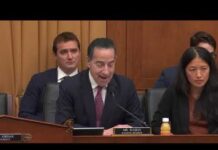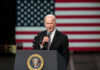
patriotwise.com — Tom Homan’s warning that ICE detainees could be force-fed if a hunger strike “gets bad enough” puts the federal detention system back under a harsh spotlight.
Quick Take
- ICE has publicly acknowledged that detainees in some hunger-strike cases were being “hydrated and fed non-consensually under court orders.”[4]
- Reports tied to Adelanto show detainees protesting poor food, sanitary problems, medical neglect, and deaths inside California detention centers.[1]
- Contemporaneous reporting says some detainees had refused food and drink for more than 30 days, showing why officials view the situation as a medical emergency.[3]
- Advocates argue force-feeding can be coercive, especially when detainees say they are protesting abuse and unsafe conditions.[2]
ICE’s Hard Line on Hunger Strikes
ICE’s posture is straightforward: if detainees stop eating long enough and their health declines, the agency has signaled it will intervene rather than let the situation spiral. Reporting on a previous hunger strike said ICE told the public that six strikers were being “hydrated and fed non-consensually under court orders,” which is the clearest public evidence that compelled feeding is not off the table inside the detention system.[4]
The latest reporting also shows why the issue keeps resurfacing. At least 20 detainees at the Adelanto ICE Processing Center went on hunger strike over detention conditions, while other reporting described nearly 30 detainees, largely from India and Cuba, refusing food and drink for more than 30 days.[1][3] That length of refusal explains why ICE would frame the matter as a medical and safety problem rather than a routine protest.
What Detainees Say They Are Protesting
Detainees and advocates say the strikes are a response to conditions they view as abusive, not a theatrical stunt. Reporting from California described complaints about lack of food, poor sanitation, cold temperatures, medical neglect, and a record number of deaths in detention facilities, including four of six deaths in California detention centers at Adelanto.[1] Those claims give the hunger strikes a political meaning that goes far beyond individual refusal to eat.
Independent reporting on another strike said detainees were protesting “inhumane conditions” including bad food and broken bathroom facilities. That matters because the force-feeding debate becomes much more charged when the protest itself is aimed at the quality of confinement. For critics, feeding tubes and court-ordered hydration can look less like care and more like an institutional attempt to suppress dissent inside a closed federal system.[2]
The Conservative Case for Clear Rules and No Bureaucratic Abuse
For conservatives, the core issue is not whether the government has a duty to preserve life, but whether federal officials are using a detention system that is too opaque, too expanded, and too insulated from accountability. The House hearing record on immigration detention described a broader cycle of abuse and noted that hunger strikes and suicide attempts are common in the system, reinforcing the need for serious oversight rather than media-spin from officials.[6]
Tom Homan is making it crystal clear that the administration's border and detention policies are non-negotiable. 🚨🇺🇸
By explicitly stating that hunger strikes won't lead to mass releases and bringing up court-ordered force-feeding, he is shutting down any leverage detainees…— khoa tran (@Shinjinhojack) May 26, 2026
That is why Homan’s comment lands with so much force. Supporters can argue that government cannot stand by if a detainee becomes medically unstable, but taxpayers also have a right to demand humane conditions, lawful procedures, and transparency when the federal government is holding people behind locked doors. When detention centers generate hunger strikes, death reports, and allegations of neglect, the problem is no longer just enforcement; it is the competence and legitimacy of the system itself.[1][6]
Why This Story Still Matters
The dispute over force-feeding is really a dispute over what kind of detention system the country will tolerate. ICE’s own reported language suggests it will use court-authorized medical intervention when necessary, but the surrounding record shows why advocates treat that policy as a warning sign instead of a solution.[2][4] The public is left with a familiar Washington pattern: an expanding bureaucracy, serious complaints from those inside it, and officials insisting that hard measures are simply part of keeping order.[1][6]
Sources:
[1] Web – Tom Homan Vows To Force-Feed ICE Detainees On Hunger Strike ‘If It …
[2] Web – Hunger Strikers Protest Conditions at Adelanto ICE Detention Center
[3] Web – Natural Human Behavior | Corey Pein – The Baffler
[4] Web – Protests Erupt at New Jersey Immigrant Jail in Support of Striking …
[6] Web – Operation Metro Surge – Wikipedia
© patriotwise.com 2026. All rights reserved.