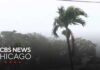
Officials say people sparked Reno’s Hawk Fire as winds and dry brush drove flames across neighborhoods.
Story Snapshot
- Officials list the Hawk Fire cause as human, with the exact ignition still under investigation.
- Flames raced past 10,500 acres and triggered evacuation warnings for about 90,000 residents.
- Nevada’s governor declared a state of emergency as crews fought wind-driven spread.
- Strong gusts, low humidity, and dry fuels turned a spark into a fast-moving urban-edge wildfire.
What Officials Confirm About Cause and Scale
Washoe County’s emergency update lists the Hawk Fire cause as human and places the origin near Hawk Meadow Trail in northwest Reno. The same update reports about 90,000 people inside warning and evacuation zones as crews work the perimeter. Local and national outlets report the fire surged past 10,500 acres over the weekend, with flames pressing toward neighborhoods and key roads in the North Valleys. Investigators have not named a specific ignition, but they state people started the fire.
Nevada Governor Joe Lombardo declared a state of emergency for Washoe County to speed help and unlock resources as the fire advanced. County and city agencies opened shelters and posted evacuation maps and updates to guide residents, including routes and reception centers for people leaving at night or in smoky conditions. Reporters on the ground described homes under threat and closures that affected daily life, including school disruptions as crews focused on public safety.
Why the Fire Spread So Quickly on Reno’s Edge
Fire officials point to a common western pattern: human ignition plus weather and fuels that favor rapid growth. Strong, gusty winds pushed embers ahead of the head fire. Low humidity dried out grass and brush, letting small flames jump into larger runs that crept into subdivisions and near the university area. This mix explains how a single spark can become a regional incident. Cause answers who started it; spread explains why it grew so fast and where it went.
National fire data shows human-caused fires make up a large share of starts across the West, including the Great Basin. That is one reason officials first label many incidents “human-caused” before they sort out intent, equipment, or accident type. Wind events then decide outcomes near cities. Past Reno-area fires also show how gusts and dry fuels can carry flames into neighborhoods in hours, even when crews respond fast and bring aircraft and dozers to the line.
What This Means for Public Safety and Accountability
Emergency managers stressed early evacuation as the best life-safety tool. Residents in “go now” zones were told to leave fast, check official maps, and avoid blocking lanes for fire engines and ambulances. Shelters and aid teams from the American Red Cross of Nevada and county services took in evacuees, provided supplies, and tracked special needs for seniors and families with pets. These steps help when a wind shift closes escape routes or smoke cuts visibility at night.
Reno Wildfire: Hawk Fire Races Toward Homes; 90,000 Forced To Flee As Fl… https://t.co/zPevTU4iUR via @YouTube
— Sebastian Meritless Tickbox Fasttrack-Blythe (@Jason_MI5) August 24, 2026
Investigators are still working to pin down the exact human cause. That could range from equipment use to debris burning to a roadside spark; officials have not said which. The broader trend remains clear: people start many fires, and weather turns some into disasters. That mix fuels anger across the spectrum. People see rising costs, stressed services, and leaders who respond after the fact instead of fixing basics like hardening edges where suburbs meet flammable land.
Sources:
facebook.com, cnn.com, rgj.com, ingest.abcnews.com, emergencywashoe.com, thenevadaglobe.com, fresnobee.com
© patriotwise.com 2026. All rights reserved.