Los Angeles approved $460,000 to study a city-owned bank even as the city faces a near $100 million budget gap, triggering sharp debate over how public money is used.
Story Snapshot
- The City Council voted 11-3 to find $460,000 for a public bank feasibility study.
- Backers say a city-run bank could finance housing, small businesses, and infrastructure.
- Critics argue the timing is wrong and the risks would fall on taxpayers.
- The vote advances a study, not a decision to open a bank.
What The Council Actually Approved
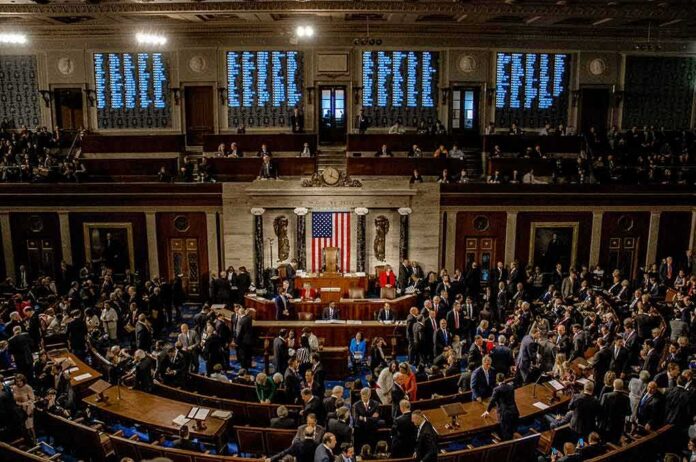
The Los Angeles City Council voted 11-3 to direct staff to identify $460,000 for a feasibility study on a city-owned public bank. The motion does not create a bank. It authorizes city officials to scope costs, legal paths, and potential benefits, then report back. Supporters framed the move as due diligence after years of starts and stops on the idea. The vote came despite a reported budget gap near $100 million, which made the spending choice a focal point of criticism.
Backers, including public-banking advocates, say a municipal bank could keep public dollars local and expand lending for affordable housing, small businesses, and public works. They point to the Bank of North Dakota, the only long-running public bank in the United States, which has a century of operations and stable performance serving that state’s development goals. They argue a Los Angeles version would partner with private lenders rather than replace them, filling gaps in credit markets.
Why The Timing And Risk Spark Pushback
Councilmember Traci Park opposed the motion, saying the city should not fund another study while it “can’t even manage our own damn finances.” Park also questioned whether anyone would trust a city-run bank and called the consultant cost “ridiculous” given basic service needs, like fixing streetlights. Other critics warned the structure could expose taxpayers to political interference, credit losses, and operational failures if the venture stumbles.
Policy groups skeptical of public banking say past feasibility efforts in other cities often found high startup costs, complex regulation, and unclear community value. The Pacific Research Institute cited those findings and argued many public-bank experiments have failed to launch or shut down. County treasurers in California have warned that a local public bank holding municipal funds would face unique risks and that the North Dakota example took decades to mature, making it a poor shortcut for big-city plans.
What A City Public Bank Is — And Is Not
Most public-bank proposals do not look like a neighborhood retail bank. The model often acts as a wholesale partner that takes public deposits and supports loans made with private banks or credit unions. The Bank of North Dakota, for example, has no consumer branches and focuses on targeted lending with other institutions. That distinction matters because it shapes risk, staffing needs, and how quickly any benefits would show up in local projects.
In 2018, LA voters voted against establishing a Los Angeles Public Bank. But that doesn't seem to matter… https://t.co/zhOzFbJQQh
— Nelahism (@nela_minded) October 22, 2026
Even with a partner model, big hurdles remain. A public bank needs startup capital, a charter, strong governance rules, and risk controls that keep politics out of credit decisions. Legal scholars and city treasurer reviews have flagged these as the hard parts. They also stress that guardrails, including independent oversight and strict underwriting, are not optional. Without them, the bank could repeat the same trust and performance failures that fuel public anger at government today.
Why This Fight Resonates Beyond Los Angeles
For many readers, the vote taps a larger frustration. People across the political spectrum see a government that struggles with basic services while floating big ideas. Supporters view the study as a small, prudent step to test a tool that might lower borrowing costs and speed affordable housing. Skeptics see mission creep that shifts focus from streets, safety, and fiscal repair. Both sides fear waste and insider deals — and both want proof the system can still deliver.
The practical next step is paperwork, not ribbon-cutting. City staff must find the funds, define the study, and return with answers on capitalization, chartering, oversight, and measurable public value. If done well, the report could separate real options from slogans and give residents a clear look at costs, risks, and timelines. If done poorly, it will read like another consultant exercise that erodes trust, which is already in short supply.
What To Watch Next
Watch how the city defines success metrics before any launch. Look for stress tests on loan losses, independent governance plans, and a detailed path to federal and state approvals. Insist on side-by-side comparisons: what a public bank can do that existing tools cannot, at what cost, and by when. Those nuts-and-bolts answers — not press quotes — will show whether a public bank could help Los Angeles build more homes and support small businesses without adding new pain for taxpayers.
Sources:
nypost.com, foxla.com, hoodline.com, reddit.com, portside.org, cityclerk.lacity.org, hraadvisors.com, publicbankinginstitute.org, bnd.nd.gov
© patriotwise.com 2026. All rights reserved.