
Homeland Security says ICE launched a nationwide push to stop food-stamp fraud by people here unlawfully, but sworn testimony shows the Minnesota surge has not produced any welfare-fraud charges.
Story Snapshot
- Homeland Security described a “large-scale” ICE operation focused on fraudulent food-stamp use by undocumented migrants.
- Congressional testimony said the Minneapolis surge led to no welfare- or visa-fraud charges and that other agencies handle those cases.
- A House committee opened an inquiry into major fraud in Minnesota social services, separate from ICE arrests.
- Critics alleged overreach and civil-liberties problems during the operation, adding to public distrust.
DHS Announces Fraud-Focused Enforcement; Four Initial Arrests Named
The Department of Homeland Security said Immigration and Customs Enforcement began a sustained, nationwide effort to stop fraudulent access to Supplemental Nutrition Assistance Program benefits by people who entered the country unlawfully. Reports named four initial Haitian arrestees and said the department alleged unlawful entry and fraudulent access to benefits. One of the men, Rubstony Junior Theodore, was described as having prior arrests for larceny, obstruction, and trespassing, according to the same account. The agency framed the push as large-scale and ongoing.
Officials presented the arrests as the start of a broader plan. The stated goal was to protect public funds and ensure benefits go to those who qualify under the law. The message landed in a climate where many voters doubt Washington can police waste and fraud. That distrust crosses party lines. Conservatives point to spending abuse and illegal entry. Liberals point to weak oversight and insider deals. Both see a system that bends for the well connected, not for working families.
What Minnesota’s Record Shows So Far on Charges and Roles
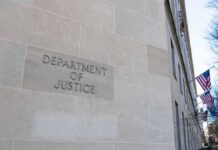
Congressional testimony by David J. Bier stated that the Minneapolis surge, often called Operation Metro Surge, led to no criminal charges for welfare or visa fraud. He said the Federal Bureau of Investigation and the Department of Justice, not the Department of Homeland Security, were handling welfare-fraud probes and prosecutions, with most of those charges starting earlier. That account challenges the idea that ICE’s local arrests alone prove a fraud network in Minneapolis.
Separate from immigration arrests, Congress moved to examine Minnesota social-services fraud. The House Oversight chairman announced an inquiry on December 3, 2025, into “widespread fraud in Minnesota’s social services programs.” A committee document also said that the United States Attorney’s Office for the District of Minnesota led federal social-services fraud investigations, while the Minnesota Department of Human Services worked with the state Attorney General’s Office on Medicaid fraud. These records show fraud probes exist, but they are not the same as ICE detentions.
Scale, Proof, and the Gap Between Rhetoric and Results
The public file does not show how big the alleged food-stamp fraud is among undocumented residents in Minnesota. The materials name four arrestees and use broad terms like “large-scale,” but they do not give a dollar total, a count of false applications, or conviction data tied to the surge. Bier’s testimony reported that 73 percent of people booked into ICE detention in Minneapolis had no criminal convictions, and 6 percent had violent-crime convictions. Those figures do not rule out fraud, but they undercut sweeping claims.
That gap fuels a pattern many Americans recognize. Agencies talk tough, but case files and court outcomes lag. Leaders argue on television, but basic facts, like who was charged with what, remain unclear. People who pay taxes feel stuck. They want fraud stopped and due process honored. They want clean data, not slogans. Until indictments or court findings appear, both supporters and critics should hold to the record we have, not the story they prefer.
Civil Liberties, Community Trust, and Operational Conduct
Local reporting raised claims about how the operation was run. Investigators described allegations of force, including repeated use of pepper spray, and disputes over surveillance of churches, labor groups, meetings, and license plates linked to protests. Such accounts, if accurate, widen public concern. Aggressive tactics can make it harder to build cases and win community help. They also risk sweeping up people who are not targets, which invites legal and political blowback.
Advocates argued that large, fast-moving raids spread fear among immigrant families and could catch lawful residents. Critics said the crackdown hit specific ethnic communities and strained trust with local governments that limit cooperation with federal immigration enforcement. Research debates aside, the policy tradeoff is plain: when trust drops, witnesses stay quiet, and fraud and crime both get harder to pin down. When trust rises, reporting improves, but enforcement can slow.
What to Watch Next: Documents, Dollars, and Dispositions
Three steps can bring clarity. First, obtain the arrest affidavits, charging documents, and final case outcomes for the four named arrestees. Second, get audits from the United States Department of Agriculture’s Food and Nutrition Service and Minnesota agencies that show suspected improper payments by immigration status and dollar amount. Third, compare ICE’s referral logs with Department of Justice dockets to see which arrests, if any, became fraud cases in court. Those records will separate rhetoric from results.
Sources:
redstate.com, judiciary.senate.gov, fox9.com, congress.gov
© patriotwise.com 2026. All rights reserved.