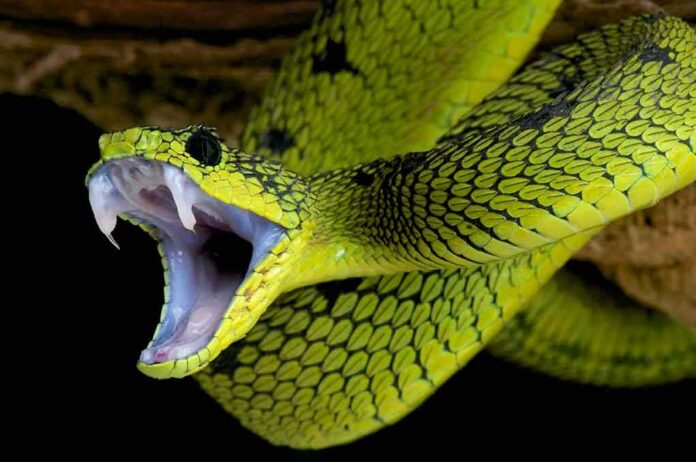
A rare, highly venomous yellow-bellied sea snake washed ashore at Crystal Cove State Beach, raising fresh questions about warming waters and coastal readiness.
Story Highlights
- A beachgoer recorded a yellow-bellied sea snake at Crystal Cove on September 11.
- Experts tie these rare sightings to warmer waters during strong El Niño events.
- Only a handful of these snakes have ever been documented in California.
- Officials urge people not to touch stranded sea snakes and to alert lifeguards.
What Was Found On The Shore
On Friday night, September 11, Jackie Aguilar and her family found a snake on the sand at Crystal Cove State Beach in Orange County. Video shows the animal moving slowly as bystanders tried to nudge it back into the surf. News outlets identified it as a yellow-bellied sea snake, a species that is highly venomous but rarely seen in California waters. Reporters described the animal as sluggish on land, which is typical for this ocean-dwelling snake.
Journalists and museum staff noted how unusual this sighting is for the region. The Los Angeles Times reported that this would be the first yellow-bellied sea snake seen in California since 2018, based on video posted to social media and expert reviews. Scientists say the species normally lives in tropical waters far to the south, near Baja California and beyond.
Why This Rare Snake Is Here Now
Researchers connect these rare arrivals to warmer ocean conditions linked to El Niño. During strong El Niño years, warm water pushes north, and unusual species sometimes follow the heat. The Natural History Museum of Los Angeles County has said only six yellow-bellied sea snakes have ever been documented in California, with five of those during El Niño periods. The 2018 case was a rare exception outside an El Niño year.
Local records show the pattern reaches back decades. A museum record lists a sea snake found in San Clemente in 1972. Later sightings clustered in the winter of 2015 and 2016 across Ventura, San Diego, and Orange counties, all during very warm conditions. The link between warm water and inland strandings gives officials a narrow window to prepare when forecasts call for strong El Niño effects.
Risk To People And Wildlife
Experts warn the snake’s venom is powerful, yet say the real danger comes when people try to pick one up or push it back to sea. On land, the animal is weak and clumsy. The safest move is to keep distance, alert lifeguards, and let trained staff handle any rescue or removal. News coverage of last week’s video showed well-meaning beachgoers trying to help, but officials discourage contact for everyone’s safety.
Wildlife impacts are also a concern. Biologists have warned in past years that the arrival of warm-water predators can stress local ecosystems and vulnerable animals. Some reports raised concerns that sea snakes could pose a risk to sea lions if conditions led to more encounters. Those warnings increase when warm water persists near shore. Clear reporting paths help scientists track these changes and protect native species.
What Officials And Beachgoers Can Do Next
Lifeguards and park rangers can prepare by sharing simple steps: do not touch stranded sea snakes, note the time and place, take a photo from a safe distance, and contact authorities. The Natural History Museum of Los Angeles County has invited people to submit photos to help confirm identifications and document rare arrivals. That public help has improved records during past El Niño seasons and speeds up expert response.
For families, the guidance is basic and effective. Keep children and pets away from any snake on the beach. Watch your step near wrack lines, where debris and animals collect. If you see a stranded sea snake, tell a lifeguard or call park staff. These steps lower the odds of harm and support the scientists who study how changing oceans are reshaping what washes up on our shores.
Why This Moment Matters
This single snake is not a crisis, but it is a signal. Warmer seas bring rare visitors, test local readiness, and expose gaps in basic public guidance. People across the political map can agree on this much: clear warnings, simple rules, and fast coordination beat confusion on a crowded beach. A quick, measured response protects beachgoers and gives scientists cleaner data to judge what this El Niño season is delivering to California’s coast.
Sources:
nypost.com, upi.com, economictimes.com, heraldnet.com, abc7.com, nationalgeographic.com
© patriotwise.com 2026. All rights reserved.