On the 25th anniversary of 9/11, a new generation that never met their lost relatives stood beside officials and vowed to never forget — and to serve.
Story Snapshot
- President Trump proclaimed September 11, 2026 as Patriot Day to honor 2,977 victims.
- New York City created an annual Day of Remembrance and Service on September 11.
- National and city ceremonies honored families, first responders, and survivors.
- Younger relatives led tributes, underscoring how memory passes to those born after 2001.
Patriot Day Marks 25 Years Since the Attacks
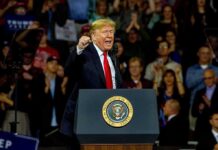
President Trump issued a formal proclamation naming September 11, 2026 as Patriot Day, calling for flags at half-staff to honor the 2,977 people killed in the 2001 attacks. The proclamation framed this year as a milestone and urged Americans to join in remembrance and service. White House events gathered first responders, military families, and officials in Washington. The message was direct: the nation remembers its dead and those who rushed toward danger to save lives.
Reporting indicated that President Trump planned to mark the anniversary at the Pentagon rather than at Ground Zero, while still centering his remarks on victims and heroes of that day. Earlier tributes near the White House highlighted first responders and included a presidential honor for a family affected by 9/11. These events aimed to show national unity and respect across institutions. They also signaled how federal remembrance connects with local ceremonies in New York and beyond.
New York City’s Day of Remembrance and Service
New York City established an annual Day of Remembrance and Service on September 11, directing city agencies to observe moments of silence, memorials, and acts of service each year. The plan formalizes how the city will honor victims, survivors, and responders in the decades ahead. The Fire Department of New York detailed ceremonies and memorial projects, including a major gathering and a film about Chaplain Father Mychal Judge, to remember those lost during and after the attacks.
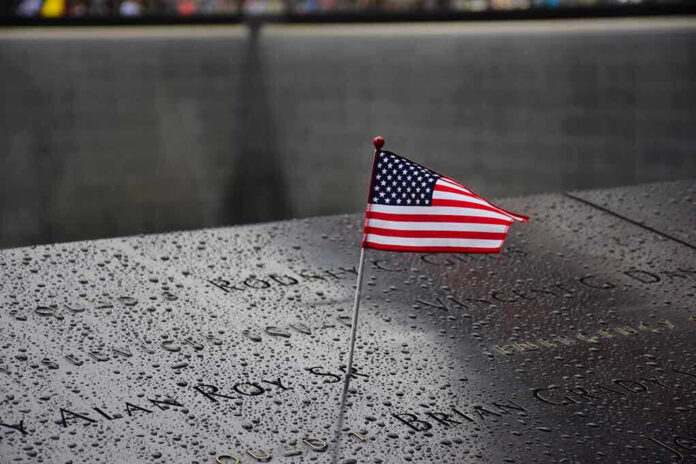
The National September 11 Memorial and Museum continued its core practice: families of victims gathering at the site to read names and observe the moments when the towers fell, the Pentagon was hit, and Flight 93 crashed. National and local coverage stressed the same theme: America still pauses to honor the dead, support survivors, and recognize the health toll on responders years later. Together, these events showed a shared civic ritual that blends solemn memory with public service.
The Next Generation Takes the Torch of Memory
Family members who were children or not yet born in 2001 now read names, tell stories, and define how their families remember. Their voices keep personal details alive as the nation moves further from the day itself. Memorial leaders have long said these moments help pass living memory to those who did not witness the attacks, so the meaning does not fade with time. This handoff guards against forgetting and keeps focus on service, unity, and care for those still suffering.
🚨 MAMDANI FACES BACKLASH DURING 9/11 ANNIVERSARY CEREMONY
NEW YORK CITY, USA – The backlash against Mamdani shows how symbolic gestures at Ground Zero still carry heavy political weight, especially for a mayor whose identity and appointments have already drawn scrutiny. The… pic.twitter.com/BNpFUfE9qC
— The Content Factory (@tcf_updates) September 12, 2026
Scholars note that large national memorials and milestone anniversaries often shape public memory and can spark debate about who speaks and how the story is told. Yet the core agreement remains: families lead the act of remembrance, and public institutions create the space for collective mourning and learning. That shared ground is visible this year as government ceremonies and family rituals align around simple acts—reading names, lowering flags, and serving neighbors.
Why This Matters Across Today’s Divides
Americans across the political spectrum feel let down by leaders and systems that seem distant or self-protective. Anniversaries like this can cut through that divide. The federal proclamation, city actions, and family-led rituals point to values that many still share: honor the dead, support those who bear wounds, and strengthen community through service. Those steps do not solve today’s big fights, but they remind us what a united civic culture can look like in practice.
Sources:
facebook.com, whitehouse.gov, nyc.gov, cnn.com, canadianinquirer.net, stripes.com, apnews.com, 911memorial.org, govinfo.gov, macsphere.mcmaster.ca, ereserve.library.utah.edu
© patriotwise.com 2026. All rights reserved.