Two Cal Poly students hit while crossing a campus-adjacent street are now suing the alleged driver, two classmates, and a fraternity, as a related felony case heads toward trial.
Story Highlights
- Two women were seriously injured in a January 8 Cal Poly area collision; a former student was arrested soon after.
- The women filed a civil lawsuit alleging negligence by the driver and alcohol-related fault by others, including a fraternity.
- Prosecutors charged the driver with felony driving under the influence causing injury and hit-and-run; he pleaded not guilty.
- A judge ordered the criminal case to trial after a preliminary hearing on the evidence.
Collision And Arrest Near Cal Poly Campus
San Luis Obispo Police responded around 9:30 p.m. on January 8 to the 100 block of Crandall Way, near the California Polytechnic State University campus, after two pedestrians were struck. Reporting at the time said witnesses helped officers identify a dark-gray Tesla Model 3. Police later found the vehicle several blocks away and arrested former student Ishan Pandhare in connection with the crash. The two women suffered serious injuries, according to those reports.
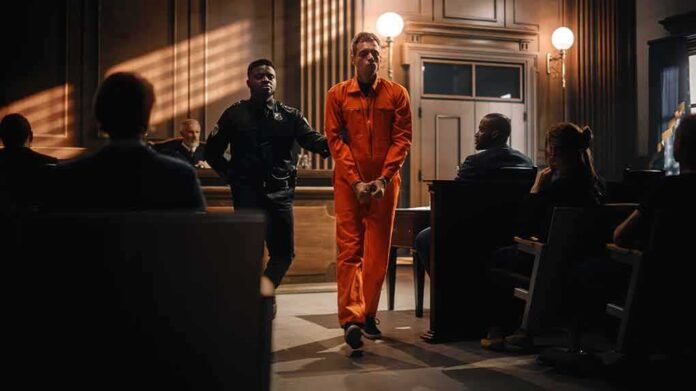
Prosecutors later filed felony charges that included driving under the influence causing injury, reckless driving causing specified injuries, and hit-and-run causing injury. Court coverage states that Pandhare pleaded not guilty on February 4, 2026. A San Luis Obispo County judge then ruled the case should proceed to trial after a preliminary hearing where a witness described the force of impact on one victim.
Civil Lawsuit Targets Driver, Students, And Fraternity
On July 10, the two injured students, identified in reporting as Burke and Archibald, filed a civil complaint in San Luis Obispo County Superior Court. The suit names Pandhare and alleges negligence tied to the January collision. The complaint also names Kappa Sigma fraternity and two students, Aidan Jameson Kennedy and Kip Stackle. It alleges they provided alcohol to an underage driver and, in Kennedy’s case, allowed use of a Tesla despite signs of intoxication, according to local reporting on the filing.
The complaint frames the incident as the end point of an alcohol-involved event connected to the fraternity. Those secondary-liability claims are harder to prove in California, where social host immunity and questions about control and foreseeability can limit recovery against people or institutions that supplied alcohol. Courts often focus on who drove, how they drove, and whether that conduct caused the injuries, while applying narrower rules to hosts or organizers.
What The Criminal Case Establishes So Far
The criminal case has moved past a key screening step. A judge ordered Pandhare to stand trial on the felony driving under the influence and hit-and-run counts after hearing witness testimony at a preliminary hearing. That ruling does not decide guilt, but it signals that prosecutors presented enough evidence for a jury to weigh the charges at trial. The reporting also notes a description of one victim being thrown into the air, underscoring the crash’s severity.
Published pieces linked to the investigation report driving under the influence charges and the plaintiffs’ claim that alcohol played a role. They do not cite a disclosed blood or breath test, a named toxicology expert, or a final reconstruction of speed. Those details often surface later in discovery or trial. The defense plea keeps all criminal allegations contested until a verdict or other resolution occurs.
Why This Case Resonates Beyond Campus
Alcohol and nighttime driving near busy student areas show up often in serious injury data. Pedestrians have no protection, so crashes can be devastating. This case also touches a national debate about responsibility for alcohol-related harm: the driver’s direct fault versus claims against peers, fraternities, or schools. California law tends to limit broad social host liability, yet plaintiffs still pursue targeted claims when they believe someone enabled risky conduct that led to injury.
Families on both sides of politics see a pattern they dislike here: young people hurt, accountability tied up in slow courts, and institutions quick to lawyer up. People want clear rules and fair enforcement more than headlines. This case will likely turn on concrete evidence about driving, impairment, and who did what before the crash. For now, a civil suit is filed, felony charges are set for trial, and two students are working through life-changing injuries.
Sources:
nypost.com, m.dailyadvent.com, mustangnews.net
© patriotwise.com 2026. All rights reserved.