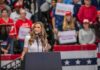
A nine-second answer about Cuba from Florida Senate candidate Angie Nixon is primed to become a statewide attack ad, because it dodges a simple question caught on camera.
Story Snapshot
- CBS News aired Nixon declining to label Cuba a dictatorship; the clip spread fast online.
- Republicans can pair the soundbite with her support for easing the embargo to claim softness on Havana.
- Nixon has said the Cuban regime must change while arguing sanctions hurt everyday people.
- Cuba politics in Florida make short clips powerful, even if ad effects are usually modest.
The Viral Exchange That Sparked a Florida Flashpoint
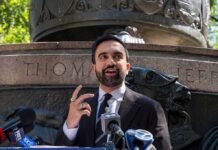
On October 26, 2026, CBS News asked Angie Nixon if Cuba is a dictatorship. Nixon replied, “That is what people have told me. I have never been to Cuba, and so I will have to take their word for it.” CBS posted the clip the same day, and political accounts quickly amplified it. The exchange is short, clear, and easy to splice into contrast ads. The line risks sounding unsure about a government many Floridians view as plainly authoritarian.
Florida politics gives that moment special force. Cuban-American voters in South Florida follow Cuba policy closely, and campaigns often test candidates with a yes-or-no label. Federal officials describe Cuba as one of the lowest-ranked countries in the Americas for freedom, with harsh limits on dissent and many political prisoners. That backdrop makes any hesitation on the “dictatorship” label easy to frame as out of step with local sentiment.
Nixon’s Record: Critique Havana, Oppose Broad Embargo
Nixon’s broader position mixes criticism of Cuba’s rulers with opposition to the decades-old embargo. She has said the regime “needs to change” and that power should return to the Cuban people. She supports restoring policies from the Obama years, arguing that engagement and targeted penalties beat blanket sanctions that block food and medicine. She contends that ordinary Cubans suffer under both government control and U.S. restrictions.
Her campaign has also focused on Cuban migrants and the hardships their families report on the island, including long blackouts and weak medical care. She argues that the embargo has not toppled the regime and instead deepened daily pain. That stance draws a sharp line from many Republicans, who back pressure and clear condemnation of Havana. The split leaves room for a simple ad: show the clip, then contrast it with a promise to stand firm against communism.
Why the Clip Travels: Soundbites, Salience, and Small but Real Ad Effects
Short, vivid video often beats long context. A nine-second answer is easy to remember and share. Research on political ads finds effects are usually small on average, but targeted messages can still matter at the margins, especially in close races. In a state like Florida, where Cuba is a top-tier identity issue for many voters, a crisp soundbite can punch above its statistical weight if repeated across local media and social feeds.
Florida Democrat Senate candidate Angie Nixon was asked a straightforward question in a CBS News interview: “Do you consider that Cuba is a dictatorship?”
Her response left viewers stunned:“You know, that is what people have told me. I have never been to Cuba, and so I will… https://t.co/npQ2ZkLpcs pic.twitter.com/5WxwJhj3eb
— Patricia 🇺🇸 (@1109Patricia) October 27, 2026
That dynamic feeds a larger public frustration. Voters across left and right see politicians playing clip wars instead of solving problems. Here, the real policy debate is whether engagement or pressure helps Cuban people and encourages change. Yet the campaign fight is about one word on camera. When politics sorts complex questions into viral tests, it can reward performance over substance. That pattern deepens distrust in a system many already view as run by elites, not citizens.
What We Know—and What We Do Not
The on-record fact is the CBS clip and Nixon’s wider positions. The clip exists, it spread, and it conflicts in tone with her stated view that Cuba’s rulers must change. What we do not have yet is proof that the moment shifted votes or fundraising. No public polling or ad-testing shows measurable impact. Until such data appears, the fairest read is this: the clip is politically useful, the policy divide is real, and the electoral effect remains unproven.
How This Could Evolve Before Election Day
Republicans can stitch the quote into a simple contrast ad, link it to law-and-order messaging, and press a trust theme. Democrats can answer with Nixon’s full record, emphasize targeted sanctions, and spotlight Cuban families’ needs. Either side may overreach if they ignore the well-documented human rights abuses in Cuba or the real costs embargo rules can impose. Voters deserve both facts: Cuba’s repression is severe, and U.S. policy choices carry tradeoffs.
Sources:
redstate.com, x.com, origin.syndicator2.univision.com, floridianpress.com, transcripts.cnn.com
© patriotwise.com 2026. All rights reserved.