

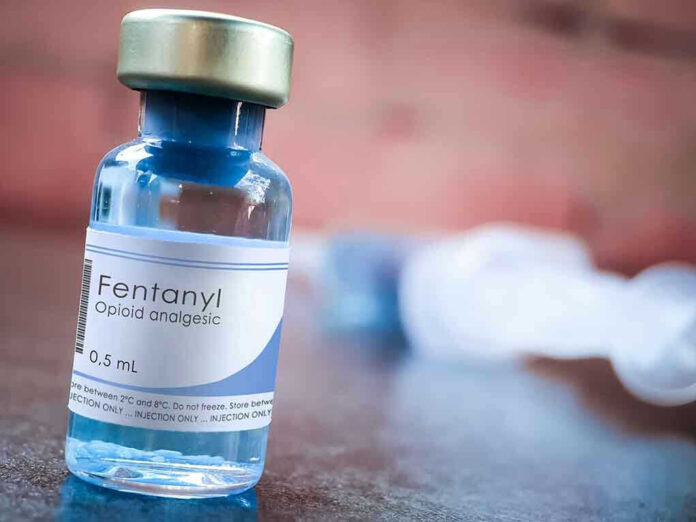
Chinese criminal networks are exploiting America’s financial system to launder billions fueling the fentanyl crisis, while federal agencies scramble to catch up and protect U.S. communities.
Story Snapshot
- The Treasury Department has issued a new advisory urging banks to monitor for Chinese money laundering networks tied to fentanyl trafficking.
- These networks, often in league with Mexican cartels, use U.S. financial institutions to launder drug proceeds and fund further illegal activity.
- Banks face a heightened compliance burden as the government expands reporting and oversight requirements in the fight against transnational crime.
- The scale and sophistication of these laundering operations threaten national security, family safety, and the integrity of the U.S. financial system.
Chinese Laundering Networks Fueling America’s Fentanyl Crisis
On August 28, 2025, the U.S. Treasury Department sounded the alarm: financial institutions nationwide must intensify their scrutiny of suspected Chinese money laundering networks. These networks, commonly partnering with Mexican drug cartels, have infiltrated American banking channels to move proceeds from fentanyl sales. The laundered funds are then used to buy precursor chemicals from China, perpetuating the cycle of fentanyl production and distribution that devastates families and communities from coast to coast.
This is not a new menace. For years, Chinese underground banking syndicates have exploited loopholes in international finance, helping cartels bypass both Chinese currency controls and U.S. law enforcement. As fentanyl has overtaken heroin and other opioids due to its potency and profitability, these networks have become the linchpin in a deadly global supply chain. Their reach extends beyond drug money—recent advisories warn that similar tactics are used to finance human trafficking and other serious crimes, multiplying the threat to America’s security and sovereignty.
Regulatory Crackdown and Rising Burdens on U.S. Banks
The Treasury’s latest advisory, in coordination with the Financial Crimes Enforcement Network (FinCEN), directs banks and other financial entities to ramp up monitoring and reporting of suspicious transactions. In 2024 alone, financial institutions identified over $1.4 billion in fentanyl-linked transactions, with more than 1,200 cases flagged for review. The new guidelines expand the list of red flags and typologies, demanding even more vigilance from compliance departments already stretched thin by years of regulatory expansion and shifting priorities. This crackdown, while necessary, underscores the growing regulatory burden on American businesses forced to police international crime networks.
Financial institutions now bear the dual responsibility of protecting the integrity of the U.S. financial system and serving as the first line of defense against foreign criminal enterprises. Failure to detect and report suspicious activity could not only allow more fentanyl to flood American streets but also expose banks to severe penalties and reputational harm. The intersection of national security and financial regulation has never been more pronounced, and conservative voices warn that persistent government overreach risks turning banks into unwitting arms of federal law enforcement—raising legitimate concerns about privacy and the scope of government power.
Stakeholders, Power Struggles, and National Consequences
The primary actors in this high-stakes battle include the U.S. Treasury and FinCEN, Mexican drug cartels, Chinese laundering networks, and the nation’s banks and credit unions. Congress has responded with legislation such as the Stop Fentanyl Money Laundering Act, aiming to stiffen penalties and close regulatory loopholes. Meanwhile, the adaptability of these networks challenges even the most robust enforcement strategies. As criminals evolve their tactics, law-abiding Americans face collateral consequences, from increased banking scrutiny on legitimate transactions to the risk of international tensions with China—an adversary already known for exploiting gaps in global oversight.
Expert analysis confirms that the scale and sophistication of these laundering operations are unprecedented. Treasury and FinCEN officials emphasize the global nature of the threat and the urgent need for coordinated action. Financial crime analysts highlight the technical challenges banks face in distinguishing legitimate cross-border commerce from illicit flows. As Congress and regulators escalate their response, the balance between security, privacy, and economic vitality becomes ever more precarious—especially for families already reeling from the opioid epidemic’s toll.
America’s Response: Vigilance, Values, and the Path Forward
For communities ravaged by fentanyl, the stakes could not be higher. The Treasury’s latest moves mark a critical step in holding foreign actors accountable and safeguarding American lives. Yet, conservatives caution that vigilance must not come at the expense of constitutional rights or the health of our financial sector. As the fight against global money laundering intensifies, the nation faces a defining test: securing our borders, protecting families, and defending the values that make America strong—without succumbing to endless government overreach or sacrificing the freedoms that remain our greatest inheritance.
Sources:
Treasury Department Press Release: Treasury and FinCEN Advisory
Congressional Report: Stop Fentanyl Money Laundering Act
FinCEN Financial Trend Analysis: Fentanyl
FinCEN Advisory: Chinese Money Laundering Networks