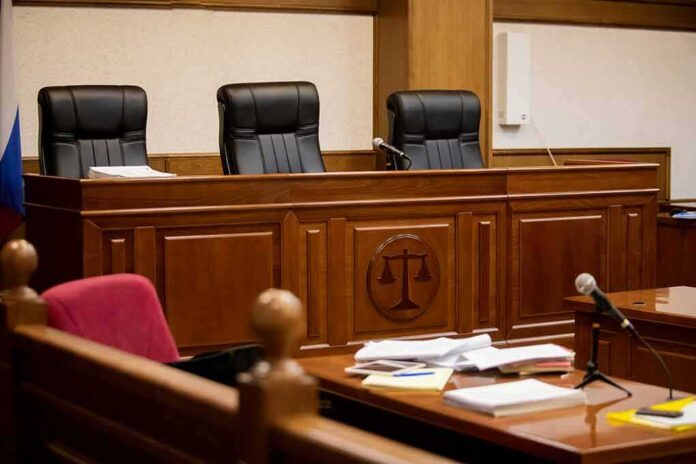
A federal appeals court has cleared the way for the public release of audio recordings Joe Biden made with his 2017 memoir ghostwriter, and Biden has now given up his fight to stop it.
Quick Take
- A divided federal appeals court rejected Biden’s bid to block release of the ghostwriter tapes and transcripts.
- Biden’s lawyers filed a notice of voluntary dismissal, ending his legal fight to keep the recordings sealed.
- The tapes were central to Special Counsel Robert Hur’s investigation into Biden’s handling of classified documents.
- The court said the public’s interest in disclosure outweighs any leftover privacy concerns, even with redactions.
Appeals Court Sides With Disclosure
The U.S. Court of Appeals for the District of Columbia Circuit ruled 2-1 against Biden’s request to keep the recordings secret. The majority found a “significant” public interest in releasing the tapes and transcripts. Judges said redactions could handle any leftover privacy worries, meaning full secrecy was not needed to protect Biden’s personal information.
Before the appeals court ruling, a federal district judge had already sided against Biden. Judge Dabney Friedrich decided the public’s interest in seeing the records outweighed Biden’s privacy claims. That earlier decision set up the appeal Biden then lost, pushing the case toward release unless Biden pursued a further challenge.
Biden Drops His Legal Fight
Biden’s lawyers filed a notice of voluntary dismissal in a related case on a Friday in July, ending his effort to block release. This move meant Biden would not ask the Supreme Court to step in. The decision effectively opened the door for the Justice Department to release the recordings and written transcripts to the public.
Biden sued the Justice Department back in May, arguing the 2016 and 2017 conversations with his ghostwriter were private and personal. He said he had agreed to share the audio with Special Counsel Hur only under strict conditions meant to keep the material confidential and out of public view.
Why These Tapes Matter
The recordings became part of Hur’s probe into how Biden handled classified documents after leaving the vice presidency. Hur’s final report leaned on these conversations to draw conclusions about Biden’s memory and judgment. That report became a major political flashpoint during the 2024 election cycle, making the underlying audio itself a subject of intense public curiosity.
The Heritage Foundation, a conservative group, pushed for release under the Freedom of Information Act (FOIA). The group argued the public has a right to hear the actual recordings, not just summaries written by government lawyers. The Justice Department had already prepared redacted transcripts and audio, showing the material was ready for release once courts allowed it.
Joe Biden gives up, declines to seek further review of court ruling on release of audiotapes
DOJ had redacted 70 hours of private conversations with his ghostwriterJoe Biden has given up the fight and declined to seek further review of an appeals court ruling on the release of…
— 🇺🇸⭐️OUR-VOICES⭐️🇺🇸 (@iswho) July 25, 2026
A Pattern Bigger Than One Case
This fight follows a familiar path seen in other records disputes involving powerful officials. When material becomes politically sensitive, the argument often shifts from a simple records request into a bigger fight over privacy versus accountability. Both sides gain something beyond the paperwork itself, whether it’s public validation or protection of personal reputation.
For voters frustrated with Washington on both the left and right, this case touches a nerve. Many Americans already suspect officials protect each other and hide information the public deserves to see. A former president fighting for two years to keep audio sealed, only to lose in court, feeds that suspicion regardless of party.
The release also raises questions about how the Justice Department handles sensitive material from past administrations under new leadership. With redactions already prepared, the tapes could become public within weeks. Lawmakers and reporters are expected to scrutinize both the audio and the redacted portions closely once they surface.
Sources:
twitchy.com, nytimes.com, cbsnews.com, facebook.com, axios.com
© patriotwise.com 2026. All rights reserved.