
Is the daily act of breathing in your city quietly rewriting your brain’s future? A sweeping new study says the answer is yes—more forcefully than ever before.
Quick Take
- Largest-ever analysis reveals clear links between air pollution and increased dementia risk
- For every 10 μg/m³ rise in PM2.5, dementia risk jumps 17%
- Findings ignite urgent calls for stricter air quality policies worldwide
- Older adults, city dwellers, and marginalized communities face the highest threat
The Invisible Threat in Every Breath
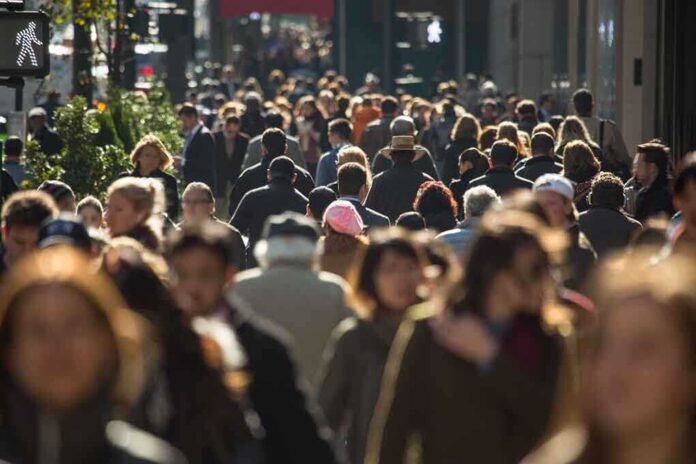
Picture the morning: you step outside, lungs filling with what you hope is fresh air. But hidden in each inhale are microscopic particles—PM2.5, nitrogen dioxide, soot—now implicated as stealthy saboteurs of your mind. According to a meta-analysis led by Cambridge’s Medical Research Council, published in July 2025, the air millions breathe every day is statistically linked to a higher risk of developing dementia. The numbers are jarring: for every 10 micrograms per cubic meter of PM2.5 in the air, dementia risk spikes 17%. Soot follows at 13% per microgram, and even nitrogen dioxide—common in city traffic—pushes the risk up 3% per 10 micrograms. With nearly 30 million individuals’ health records synthesized, these figures have shifted the conversation from speculation to certainty for policymakers and the public alike.
What sets this research apart is its sheer scale and focus. Earlier hunches and small studies hinted at the danger, but this analysis finally nails down which pollutants matter most and by how much. The implications stretch beyond the ivory tower: cities like London, Birmingham, and Glasgow already report pollution levels at or above these risk thresholds, suggesting that millions may be living with a hidden cognitive time bomb ticking in the background.
Why This Study Changes Everything
The rise in dementia cases worldwide is staggering—projected to leap from 57 million today to 153 million by 2050. Until recently, experts blamed the usual suspects: genetics, aging, diet, and lifestyle. Environmental risk factors like air pollution hovered on the scientific sidelines, suspected but unconfirmed. The new Cambridge-led study thrusts them into the spotlight. Its meticulous review of 51 prior studies, spanning decades and continents, leaves little doubt: air pollution is not just a lung or heart issue, but a direct threat to brain health. For older adults, especially those living in urban centers or near busy roads, these findings are a clarion call to action.
The data also draws attention to who is most at risk. Marginalized and lower-income communities, often clustered near industrial zones or major highways, bear the brunt of exposure. These same groups have fewer resources to cope with dementia’s devastating impact, compounding an already grave public health crisis. The message rings out: equitable policy intervention is not just wise—it’s urgent.
Who Stands to Gain—and Who Stands in the Way
The study’s ripple effect is already being felt among policy makers, advocacy groups, and city planners. Researchers like Dr. Haneen Khreis and Clare Rogowski urge governments to act decisively, arguing that cleaner air could sharply reduce dementia’s future burden. Alzheimer’s Research UK has seized on the findings, describing air pollution as a “serious and growing threat” to brain health and pushing for faster, broader regulatory changes. Environmental agencies and urban planners are under pressure to recalibrate standards and accelerate the transition to cleaner transport and industry.
Yet, resistance is not absent. Industries tied to fossil fuels and high emissions have economic stakes in the status quo. They argue that stricter regulations could stifle growth or raise costs, setting up a familiar tug-of-war between public health and private profit. The sheer weight of evidence, however, may be tipping the scales. As media coverage spreads and public awareness grows, the political calculus is shifting: ignoring the dementia-air pollution link is no longer tenable, at least not for leaders who value both fiscal and societal well-being.
What Comes Next—and Why You Should Care
The world now stands at a crossroads. The immediate impact is a surge of interest from health ministries and city councils, debating new air quality limits and pollution-reducing initiatives. Long term, the potential rewards are immense. Lowering urban air pollution could mean millions fewer dementia cases, lighter healthcare burdens, and a higher quality of life for those entering their golden years. For families and caregivers, prevention could delay or even spare loved ones from the slow unravelling that dementia brings.
https://x.com/Dementiawho/status/1949394640295141497
Still, questions linger. How exactly do these airborne toxins undermine brain health? Is the risk uniform across all types of dementia, or are some brains more vulnerable than others? The study calls for more research—especially in low- and middle-income countries, where pollution’s effects may be even more pronounced but data are sparse. What’s clear is that every breath counts, and the stakes have never been higher. For the millions already living with dementia—and the millions more at risk—the air we share may be the most urgent battleground in the fight for our minds.