What if the scariest threat to your lungs isn’t cigarettes, but something lurking in your own DNA, your city’s air, or even your family tree—and you’d never see it coming until it’s too late?
At a Glance
- Up to 25% of lung cancer cases now strike people who have never smoked a single cigarette.
- Women, people of Asian descent, and those with a family history are at greatest risk for this stealthy form of lung cancer.
- Scientists are racing to uncover the genetic and environmental culprits driving this trend, including pollution and radon.
- Major research institutions are calling for new screening guidelines and urgent destigmatization of lung cancer in nonsmokers.
The Smoking Gun Isn’t Always a Cigarette
Lung cancer has long been the poster child for the anti-smoking movement—a disease reserved, it seemed, for the Marlboro Man and his chain-smoking peers. But now, the script has flipped. Up to a quarter of people diagnosed with lung cancer have never touched a cigarette in their lives, and the numbers are rising in a way that has researchers and clinicians sounding the alarm. This isn’t just a statistical quirk—it’s a seismic shift that’s forcing scientists to rethink everything they thought they knew about what causes the world’s deadliest cancer. The usual suspects—tobacco and secondhand smoke—are joined by a rogues’ gallery of new villains: polluted air, invisible radon gas, and genetic quirks passed down through generations. And if you’re a woman, of Asian descent, or have a family history of lung cancer, your odds just went up.
Genomic sleuthing, epidemiological studies, and high-profile summits are converging on a single conclusion: lung cancer is no longer just the smoker’s curse. It’s an equal-opportunity menace, and the medical community is scrambling to keep up. The National Institutes of Health, Stanford Medicine, and the American Cancer Society are all on the case, and their message is clear—if you thought you were immune because you never smoked, think again.
Who’s At Risk When No One’s Smoking?
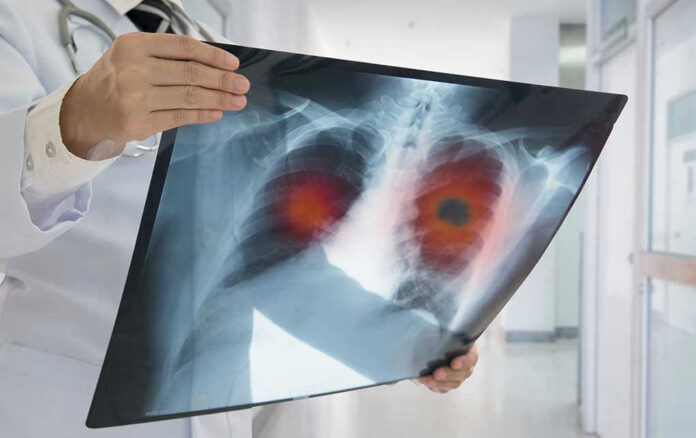
This rising tide of nonsmoker lung cancer isn’t hitting everyone equally. Women, especially those of Asian ancestry, are at the epicenter of this mysterious trend. Family history? That’s now as ominous as a carton of unfiltered Camels. According to recent NIH and Stanford research, these new cases overwhelmingly present as adenocarcinoma, a subtype that acts differently—and responds differently—than classic smoker’s lung cancer. For these groups, the danger isn’t in the ashtray, but in their DNA and environment. Radon—an odorless, invisible gas—slips into homes and lungs undetected. Air pollution, especially in bustling cities, is under scrutiny as a silent co-conspirator. But that’s not all: advanced genomic sequencing is revealing mutations and genetic signatures unique to never-smokers, shifting the focus from lifestyle choices to a complex interplay of heredity and environment.
Despite decades of progress against smoking, these findings have thrown a wrench into old public health models. The medical establishment is now calling for tailored screening and more aggressive early detection for nonsmokers with these risk factors. The message: lung cancer doesn’t discriminate, and neither should our vigilance.
Cracking the Code: What Science Is Doing About It
When the NIH published its massive study of nearly 900 never-smoker lung cancer patients in July 2025, the findings sent ripples through the oncology world. Genetic profiles in these patients look nothing like those in smokers. The inaugural Stanford Lung Cancer Summit earlier that year put the spotlight on Asian women, calling for culturally sensitive outreach and research. Advocacy groups like the Lung Cancer Foundation of America are pounding the drum for destigmatization—reminding the world that nobody “deserves” lung cancer, and that early detection saves lives no matter your smoking history.
Research is now laser-focused on finding the needle in the haystack: which environmental threats and inherited mutations are the real triggers? The stakes are high, not just for patients but for healthcare systems racing to adapt. Screening protocols, insurance coverage, and drug development are all under review as the definition of “at risk” expands. The pharmaceutical industry is investing heavily in new therapies that target the unique genetic fingerprints of nonsmoker lung cancer. Meanwhile, communities are pushing for cleaner air and stronger environmental protections, recognizing that what’s in the atmosphere might matter just as much as what’s in your genes.
Expert Voices: The Battle to Change Minds and Medicine
Leaders in the field aren’t mincing words. Dr. Maria Teresa Landi of the NIH is adamant that only whole-genome analysis can unravel the complex web of risk factors facing never-smokers. Dr. Bryant Lin of Stanford, both a physician and a survivor, is channeling personal experience to reframe the conversation—especially among Asian Americans, who face both elevated risk and unique cultural barriers to care. Across the board, experts agree: nonsmoker lung cancer is a distinct, urgent challenge that demands new research, new treatments, and a radical rethinking of stigma. The consensus is clear—old assumptions about lung cancer are dead, and what comes next will be defined by science, advocacy, and the voices of patients who never fit the old stereotype.
Screening guidelines are likely to change. Insurance companies and policymakers are under pressure to keep up. And for the millions who thought they were safe because they never smoked, it’s time to pay attention. The old rules don’t apply, and the future of lung cancer prevention, detection, and treatment is being rewritten in real time.
Sources:
American Cancer Society, 2025-04-01
CA: A Cancer Journal for Clinicians, 2025-01-16