Masked protesters shut down access to Britain’s busiest ferry gateway for hours, exposing a border fight leaders still have not solved.
Story Highlights
- Hundreds blocked roads to the Port of Dover, halting traffic before police cleared routes by midday.
- Chants of “Stop the boats” tied the action directly to small-boat Channel crossings.
- Official data shows 33,374 small-boat arrivals in the year ending June 2026, after 41,472 in 2025.
- Government reports show 2026 crossings trending lower in recent months, but the issue remains live.
Dover Disruption Put Migration Policy Back on Center Stage
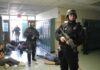
Reuters and the British Broadcasting Corporation reported that hundreds of masked demonstrators in black blocked roads to the Port of Dover on September 5, stopping traffic in and out before routes reopened around midday. Police described it as a public order incident. Organizers and participants framed the action around stopping small-boat arrivals. The blockade targeted a major trade and travel artery, turning a long-running policy fight into an immediate economic and security concern for local workers and travelers.
Chants of “Stop the boats” made the protest’s aim clear: force faster action on Channel crossings. The government also framed the event as disruptive and unacceptable, emphasizing public order over policy claims. That contrast reflects a broader divide. Activists see an urgent border failure that demands visible action. Officials stress the rule of law and safety. The standoff underscored how demonstrations can move headlines, yet rarely settle the underlying policy questions.
What the Numbers Say About Small-Boat Crossings
United Kingdom government statistics show 33,374 people arrived by small boat in the year ending June 2026, down from 41,472 in 2025, which was the second-highest annual total on record. The Border Security Commander’s annual report said crossings rose 3 percent in the 2025 to 2026 financial year, while arrivals fell sharply in April through June versus the prior year. The Home Office’s weekly tracker recorded several recent days with zero arrivals, showing active monitoring and some short-term lulls.
These mixed signals feed political friction. Supporters of the crackdown point to large totals over multiple years to argue the system is overwhelmed. Critics point to recent declines to argue current measures are starting to work and that panic is not warranted. Both sides agree crossings remain dangerous for migrants and hard to police. The data confirms the problem is persistent, even if momentum shifted lower during parts of 2026.
High-Level Pledges, Local Flashpoints, and Public Trust
Cross-Channel coordination has become central. Coverage highlighted a pledge involving Nigel Farage and French leader Jordan Bardella that called for France to stop departures and for the United Kingdom to return intercepted boats to French waters. Such pledges show that senior political figures see crossings as a top-tier issue. But the Dover blockade showed how local flashpoints still erupt when people feel national leaders and agencies cannot deliver fast, durable results at the border.
This is a tense situation in Portsmouth. Reports say around 140 people were intercepted aboard one small boat after it travelled from Normandy toward the UK, with RNLI boats bringing them ashore in Portsmouth.
Hundreds of protesters then gathered, blocking roads and confronting…
— Peace Maker (@princezar) September 7, 2026
Counter-protest voices argue many arrivals seek asylum and deserve fair process. Past rallies in Dover and London featured “refugees are welcome” messages and claims that hardline policies are inhuman or unlawful. Those perspectives matter for policy durability and legal risk. Still, no source indicates that the Dover blockade itself stopped boats or changed the pipeline. Traffic resumed, and the system carried on. The clash was symbolic power versus institutional process, not a policy fix.
Why This Matters for Both Left and Right
Border strain, rule-of-law worries, and lost trust in officials now unite many across party lines. People see elites make big promises and sign grand deals while real problems persist. Conservatives see weak enforcement and high costs. Liberals see human suffering and complex causes that leaders oversimplify. The Dover scene—masks, stalled trucks, and rival chants—captured a deeper worry: when government cannot manage core duties, citizens will force the issue in the streets, with rising risks to order and civic life.
Sources:
bbc.com, aljazeera.com, gov.uk, independent.co.uk
© patriotwise.com 2026. All rights reserved.