
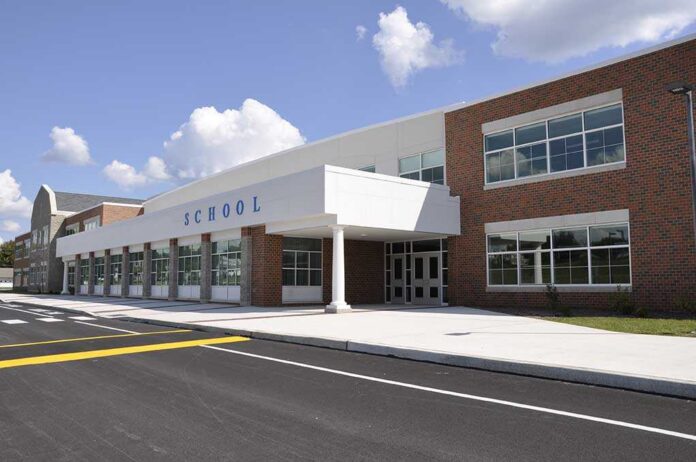
A federal judge’s injunction and a costly settlement forced a Washington school district to reverse rules that treated a Christian program differently from secular groups.
Story Highlights
- A judge found LifeWise was likely to win key First Amendment claims and ordered immediate changes.
- The district must allow fairs access, flyer distribution, and released-time participation on equal terms.
- A settlement added policy fixes, board training, a six-month apology, and $275,000 in legal fees.
- The district denied wrongdoing, and no final trial ruling was issued due to settlement.
What The Judge Ordered And Why It Mattered
Judge Lauren King issued a preliminary injunction in April 2026 that required Everett Public Schools to change several practices affecting LifeWise Academy. The court found the plaintiffs were likely to succeed on claims tied to release-time permission slips, handling of LifeWise materials, and exclusion from certain district facilities because the group was religious. Reporting on the order said the district had engaged in viewpoint discrimination and must allow access where secular groups were already welcome.
The injunction directed the district to permit LifeWise to join community resource fairs and to post printed flyers wherever secular organizations could do so. The order also required Emerson Elementary to release students for LifeWise instruction with proper permission slips and to allow students to read LifeWise materials when other non-scholastic reading was allowed. The district’s own public statement acknowledged likely First Amendment problems in how its rules were carried out.
Settlement Terms That Locked In Changes
Everett Public Schools later settled the case in October 2026. The agreement required religious-liberty training for the school board, policy updates, a written public apology posted for six months, and payment of $275,000 in attorney fees to resolve the dispute. The district’s public communications said it aimed to ensure policies are applied neutrally and in line with the law while avoiding more litigation costs, and it did not admit wrongdoing.
The settlement ended a scheduled path toward an April 2027 trial, so the strongest court finding on record remains the preliminary injunction rather than a final judgment on the merits. That limits how conclusively outsiders can describe legal liability. Still, the mix of immediate court-ordered access, mandated training, a public apology, and policy changes shows the case had practical effects that went well beyond a simple check to close the file.
How This Fits The Law And Why People Across The Spectrum Care
United States Supreme Court cases have long drawn a line for public schools. Schools can accommodate voluntary, off-campus religious instruction during school hours if parents request it and the program stays separate from the school. But schools cannot suppress or favor a viewpoint because it is religious. Courts have struck down selective bans on religious speech in school spaces when similar secular speech is allowed. The Everett dispute sits squarely in that legal tension.
A $275K apology. Everett Public Schools agreed to pay attorney’s fees and issue a public apology in its LifeWise settlement. LifeWise alleged students had to conceal Bibles in envelopes. A win for families and religious freedom. pic.twitter.com/FIP8ZaIf0W
— Migo (@ReiteConMig0) October 17, 2026
Families on the right and left often worry that public systems change rules on the fly, favor insiders, or chill speech they dislike. This case touched those nerves. The judge’s order required equal access to fairs, flyers, permission slips, and reading time that secular groups already enjoyed. The district says it will apply rules neutrally going forward. That promise, plus training and clear policies, is the real test of whether institutions serve people, not politics.
Sources:
pjmedia.com, everettsd.org, heraldnet.com, wnd.com, christianpost.com
© patriotwise.com 2026. All rights reserved.