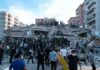


Russia’s July barrage pushed ballistic missile launches to a wartime high as Ukraine ran short on interceptors, driving up deaths and damage in major cities.
Story Snapshot
- Russia fired record ballistic missile totals in July amid mixed strike packages.
- Reuters logged multiple large July attacks on Kyiv with rising casualties.
- Open-source counts show a steady month-to-month climb since spring.
- Ukrainian officials say interceptor shortages left defenses thin.
What Happened: A Summer Surge in Russian Ballistic Strikes
Russian forces increased ballistic missile use against Ukraine from spring into July, while also mixing cruise missiles and drones to strain defenses. Reuters reported July strikes on Kyiv that killed and wounded civilians, including one of the war’s largest ballistic barrages on July 19. Another July 31 attack included 27 ballistic missiles, with Ukraine reporting only one interception due to Patriot interceptor shortages. The July 8 strike also used ballistic missiles and jet-powered drones, killing at least three people in Kyiv.
Independent trackers and Ukrainian sources recorded a clear rise in monthly ballistic launches. The Oko Gora project, cited by Ukrainian outlet Militarnyi, reported about 96 ballistic missiles in June after 86 in May, with a higher July total that marked the year’s peak to that point. Agence France-Presse, using Ukrainian air force data, said Russia launched a record 376 missiles of all types in July, underscoring how Moscow stacked munitions to overwhelm Ukrainian defenses.
How Russia Is Trying to Overwhelm Ukraine’s Air Defenses
Russian strike packages have combined ballistic missiles, cruise missiles, and drones to complicate detection and interception. On July 11, Ukraine’s air force said Russia launched six ballistic missiles, six cruise missiles, and 121 drones in one overnight attack across multiple regions. On July 19, Russia hit Kyiv with a major ballistic wave, killing at least one person and injuring more, as explosions echoed over the capital. A July 15 strike on Kyiv districts killed two people and triggered fires, marking the sixth ballistic attack on the city that month.
Ukraine says interceptor stocks are running low, creating dangerous gaps. During the July 31 attacks, President Volodymyr Zelenskyy said only one ballistic missile was intercepted because there were no Patriot interceptors left to stop the rest. Reuters also reported that Moscow is exploiting Ukraine’s shortage of United States-made interceptors, a problem that persisted through July as Russia kept pressure on major cities and energy sites. This mismatch helps explain why July’s total missile launches reached new records.
Why the Numbers Vary but the Trend Is Clear
Different groups track missile counts using different methods, which can yield varied totals. Open-source projects focus on ballistic launches by type and date, while daily air force reports tally all missiles and drones. Still, the direction is the same: a steady climb since spring, with June higher than May and July higher than June for ballistic use, and July setting an overall record for total missiles of all types. The mixed-method counts show escalation, not a flat line.
🇺🇦 Ukraine wants to change the arithmetic of Russia’s ballistic-missile campaign: instead of trying to intercept every missile after launch, destroy the launchers before they fire.
Russia launched around 126 ballistic missiles at Ukraine in July — the highest monthly total… pic.twitter.com/1S2ZteTWHg
— GMan | GMan’s Chronicle (@FAB87F) August 14, 2026
Broader analysis shows Russia seeks to drain Ukraine’s air defenses and sow fear by striking cities and infrastructure. Large missile-and-drone salvos target multiple regions at once to stretch radar coverage and interceptor stocks. This method fits a pattern seen across the war, where Russia cycles between waves to stress critical nodes and force Kyiv to spend scarce interceptors on each alert. The result in July was more damage, more casualties, and louder calls for added air defense support.
Sources:
euromaidanpress.com, understandingwar.org, gwaramedia.com, reuters.com
© patriotwise.com 2026. All rights reserved.