President Trump said “only consequential presidents get shot at,” turning fresh security scares into a claim about his impact on the country.
Story Snapshot
- Trump linked repeated threats on his life to being a “consequential” president.
- He made the remark after recent security incidents rekindled debate over presidential protection.
- Historical records show a small but real pattern of attacks on presidents and candidates.
- Scholars and reports note about 15 direct assaults in U.S. history, with four sitting presidents killed.
Trump’s Remark And The Immediate Context
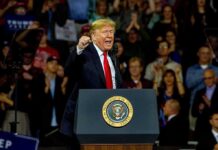
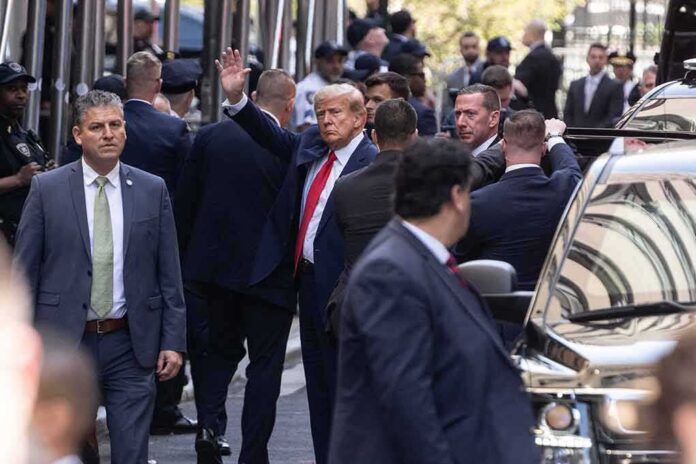
President Trump told supporters that “only consequential presidents get shot at,” tying the danger he faces to his importance in office. He delivered the line while discussing recent threats and incidents that put his security team on high alert. Coverage of the appearance reported that he framed the risk as part of leading major change. Trump has repeated some version of this theme in several forums this year, often after new scares renewed attention on his personal security.
Trump’s framing matches his broader message that high stakes follow his agenda. He has also compared his situation to earlier periods when presidents faced grave threats. In public comments, he has used humor and bravado to defuse concern while signaling resolve. Supporters tend to read the line as proof of decisive leadership under fire. Critics often hear self-praise. Both reactions reflect how modern politics turns violence and security into symbols of power and vulnerability.
What History Actually Shows About Threats To Presidents
The historical record confirms that attacks on presidents and candidates are rare but real. Congressional Research Service summaries count about 15 direct assaults across more than two centuries, including shootings and plots against sitting presidents, presidents-elect, and major candidates. Four sitting presidents were murdered: Abraham Lincoln, James Garfield, William McKinley, and John Kennedy. Those events forced major changes in security and law, and they still shape how the nation sees the office.
Other presidents and candidates survived attempts that prompted new protection steps. These cases cluster around high-visibility figures who draw intense attention. That pattern does not prove that danger equals greatness. It does show that the highest office draws extreme actors and rare crises. The small number of cases also makes broad claims hard to test. Still, the history explains why security teams plan for unlikely but severe risks in every public setting.
How The Comment Lands With A Frustrated Public
Americans across the spectrum worry that national leaders are insulated from real problems while citizens shoulder the cost. Some conservatives see rising threats as a symptom of social breakdown, weak borders, and a justice system that punishes speech over crime. Some liberals see the same threats as a sign of rising extremism, easy access to weapons, and deepening inequality. Both sides suspect that powerful insiders protect themselves first and leave ordinary people behind.
Trump’s line taps those feelings. Supporters hear a blunt truth about hard fights and big change. Opponents hear a distraction from policy. Yet many citizens, regardless of party, agree on one point: the system feels rigged for the well connected. When any president faces danger, it highlights how volatile our politics has become. It also raises questions about how the government prioritizes security resources and public transparency without slipping into secrecy or overreach.
Security, Speech, And The Limits Of Political Theater
The United States Secret Service and other agencies have expanded protection over decades in response to attacks, including changes to event layouts, screening, and rapid response plans. These steps aim to reduce risk without silencing public life. Each new incident tests that balance. Leaders want to show strength and normalcy. Security teams want to close gaps. Voters want open access and honest information. Those goals often collide in real time on live stages.
Trump’s quip will likely stick because simple lines travel faster than complex reports. But one fact endures beneath the rhetoric: attempts on national leaders are uncommon, stochastic, and shaped by visibility, not by any single policy stance. The risk is serious, and it belongs to the office, not only to one person. The country does best when we face that reality plainly, protect open debate, and demand that government security is competent, accountable, and focused on people, not politics.
Sources:
facebook.com, the-independent.com, theconversation.com, reuters.com, everycrsreport.com, theviolenceproject.org
© patriotwise.com 2026. All rights reserved.