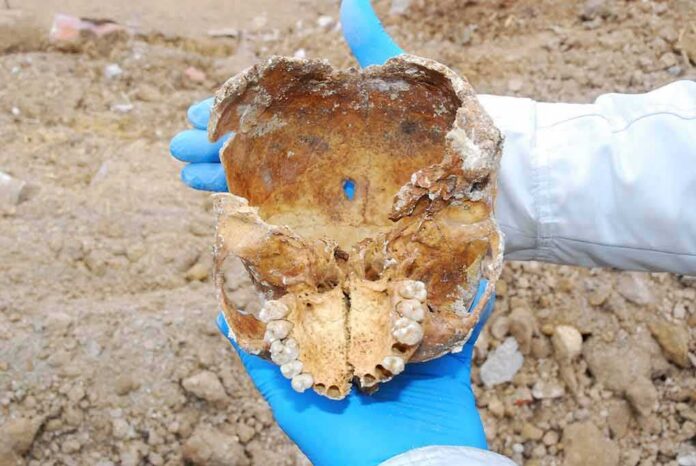
Scientists have uncovered DNA showing plague killed small family groups in Siberia 5,500 years ago, long before cities or the Black Death.
Story Snapshot
- A Nature study found the oldest known plague outbreaks in Lake Baikal hunter-gatherers about 5,500 years ago.
- Researchers detected plague across four cemeteries, suggesting fast, lethal waves within small groups.
- The findings push the plague timeline back and show risk existed before farming and crowded towns.
- The work adds ancient DNA evidence to a growing record that rewrites plague history.
What The New Study Found In Ancient Graves
Researchers reported early strains of plague in human remains from Late Stone Age cemeteries near Lake Baikal in southeast Siberia. The team described two phases of outbreaks starting roughly 5,500 years ago, making these the earliest known events tied to the disease. The analysis points to deaths in small, mobile hunter-gatherer groups rather than crowded cities. The study appears in the journal Nature and anchors its claims in ancient bacterial DNA recovered from teeth.
Scientists sampled multiple sites and found plague across four hunter-gatherer cemeteries. Reporting on the paper notes a high detection rate of infection, which fits with sharp, local die-offs within family-sized bands. That pattern supports fast, close-contact spread when people lived and traveled together. The work reframes how and where plague could turn deadly, showing that dense urban life was not required for lethal outbreaks in deep prehistory.
How The Timeline Of Plague Keeps Moving Back
Coverage of the study explains that these results push plague’s deadly reach further back than earlier estimates. Prior research traced ancient plague genomes up to five thousand years old. The new Lake Baikal data extend that window and strengthen the link between early strains and real community deaths. This shift matters because it challenges the idea that farming or rat-infested cities were necessary for major disease events to unfold.
Other research has mapped early plague diversity across Eurasia and outlined how the pathogen evolved over time. Those studies describe how later traits for flea-borne spread likely appeared after these earliest outbreaks. Together, the record shows a stepwise history: first presence in small groups, then adaptation to wider, faster transmission in later eras. The Lake Baikal findings now anchor the earliest chapter with direct outbreak evidence in humans.
Why This Matters For Public Health And Trust
Ancient DNA studies like this help modern readers see how fragile communities are when a pathogen finds a path. Hunter-gatherers lacked cities, yet they still faced sudden loss within families. Today, Americans debate government readiness, spending choices, and who benefits when crises hit. Findings like these remind us that nature does not wait for policy cycles. Prepared systems, clear plans, and honest communication save lives when the next threat appears.
We usually think of the plague as something that showed up much later in human history.Turns out it was already killing people about 5,500 years ago.
Scientists found plague DNA in the remains of hunter-gatherers buried around Lake Baikal in Siberia.
And it wasn't just one… pic.twitter.com/PZdvPnLdR6— Clara June (@ClaraJuneqnor) September 8, 2026
The Lake Baikal work also shows why sound science is slow and careful. Teams matched skeletal context, screened teeth for bacterial DNA, and tied genomes to specific outbreaks. That method gives facts the public can trust. In an era when people across the political spectrum worry about elites and opaque systems, transparent evidence helps rebuild trust. Clear proof that deadly outbreaks predated cities gives a simple lesson: resilience starts with facts, not spin.
Sources:
sciencedaily.com, washingtonpost.com, ideas.repec.org, theguardian.com
© patriotwise.com 2026. All rights reserved.