Stadium gatekeepers, not fans, decided who could stand on Ed Sheeran’s stage — and Macklemore lost his spot.
Story Highlights
- Promoter said several U.S. stadiums would not host shows if Macklemore stayed on the bill.
- Ed Sheeran said the removal was the promoter’s call, not his, and that he tried to fix it.
- Patriots owner Robert Kraft confirmed he blocked Macklemore from Gillette Stadium over onstage material.
- Protesters gathered in Philadelphia, linking the removal to Macklemore’s Gaza advocacy.
What Changed: From Opening Act To Off The Tour
Messina Touring Group, the tour promoter, said venues told them they would not allow shows to proceed with Macklemore on the lineup. The promoter then announced Macklemore would not perform the remaining support dates. The statement framed the choice as necessary to avoid canceling shows and hurting fans. This places the trigger with stadium access, not setlist content or the headliner’s personal wishes.
Ed Sheeran told fans the decision was not his and that Macklemore’s contract was with the promoter. Sheeran said he tried to “build a bridge” but could not reach a solution before the tour moved on. This distances the headliner from the call while confirming that venue and promoter power drove the outcome. It also shows the quiet leverage of stadiums over what audiences get to see.
Why Gillette Stadium Became The Flashpoint
New England Patriots owner Robert Kraft, who controls Gillette Stadium, confirmed he barred Macklemore from performing there. Kraft tied the move to recent onstage material in New Jersey and what he called a broader history of antisemitic rhetoric and imagery. His statement drew a firm line around what his venue would host, linking content concerns to venue standards and brand protection. That public stance set a clear example for other stadiums watching the fallout.
Macklemore, in his own account, said Sheeran told him that Kraft rallied other stadium owners and that they delivered an ultimatum. While that describes a wider pressure campaign, no emails or contracts have been released to prove coordination. The public record so far is a chain of short statements by key players. That leaves the exact timeline and degree of venue coordination partly unverified in documents.
On-The-Ground Impact: Security Build-Up And Street Protests
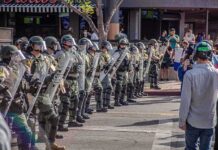
Philadelphia became the first major test after the lineup change. Local outlets showed police preparing for protests tied to Macklemore’s removal. Protesters gathered outside Lincoln Financial Field, saying the decision punished Gaza advocacy. The scene underscored how a backstage booking fight can spill into a public square. Fans arriving for a night of music met chants, signs, and anger about who gets a voice on a stadium stage.
Demonstrators listen to the speaker as they protest outside of an Ed Sheeran concert in Philadelphia, Pennsylvania. Ed Sheeran is facing a backlash after rapper Macklemore was removed from the US tour after making a pro-Palestine comment on-stage.
More #GettyNewsVideo 🎥 Joe… pic.twitter.com/Dwud4QVj2s
— Getty Images News (@GettyImagesNews) September 20, 2026
For many readers, the deeper issue is power, not playlists. Private venues can choose who performs, and courts often allow that. But when a small group of stadium owners can decide what millions hear on a national tour, people across the spectrum see a red flag. Conservatives call it corporate gatekeeping. Liberals call it speech chilling. Both sides see elites making choices that regular people have to live with — and pay for in ticket prices and fewer options.
What We Know, What We Don’t, And Why It Matters
The strongest confirmed facts are narrow but important. The promoter said multiple venues refused to host shows with Macklemore. Sheeran said it was not his decision. Kraft said he blocked Macklemore at his stadium over onstage material and concerns about antisemitism. What we do not have are the internal emails or contracts that map how, when, and by whom the pressure spread. That missing paper trail keeps key claims contested.
The stakes reach beyond one tour. Stadium access now functions like a switch that can cut power to certain messages without any court ever weighing in. Supporters say this protects fans from chaos and hate. Critics say it lets wealthy owners police art and politics. Both views agree on one thing: a handful of private decisions can now shape national culture. That should prompt clear venue policies, sunlight on booking rules, and honest talk about standards and lines.
Sources:
facebook.com, phillyburbs.com, yahoo.com, abcnews.com, usatoday.com
© patriotwise.com 2026. All rights reserved.