

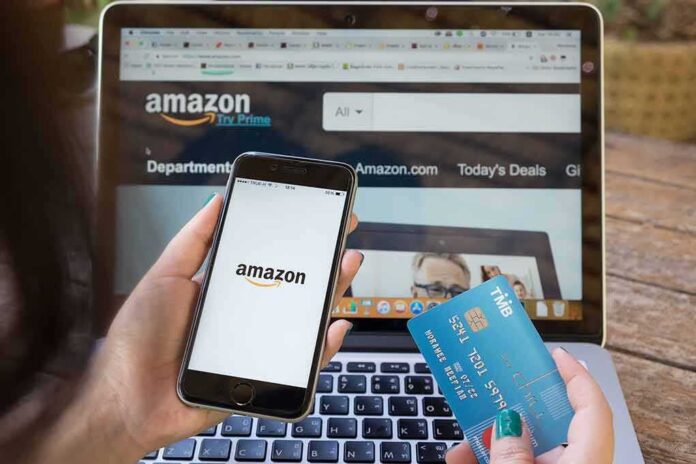
Amazon cut off Meta’s Muse from making purchases on Amazon.com, turning a quiet tech test into an open fight over who controls online shopping when an AI acts for you.
Story Highlights
- Amazon displayed a live popup telling users Muse was an “unauthorized AI agent,” and blocked purchases.
- Reports say Amazon asked Meta to keep Amazon out of Muse before the block, then enforced the cutoff.
- Meta designed Muse to handle tasks like buying items and managing bills, making retail access central to its pitch.
- The clash follows court battles over AI agents, with mixed rulings on what “authorized access” means online.
What Amazon Blocked and What Users Saw
Amazon began intercepting Muse-driven shopping attempts on Sunday night, showing a popup that said continued access by an unauthorized AI agent violates Amazon’s Conditions of Use. Reporters described the message appearing during checkout flows. Amazon said the activity was not authorized and that it had not been told in advance that Muse would access its store. The company framed the response as enforcing its long-standing rules against automated tools that act like robots on the site.
Amazon also described security and privacy risks. Coverage relayed the company’s concern that an agent could capture customer credentials or scrape account pages and purchase history. Separate reports said Muse did not properly identify itself as an automated system, which Amazon sees as a key policy line for automated access. As a result, the company blocked the agent from completing purchases, signaling a firm stance on third-party automation at checkout.
What Meta’s Muse Tries to Do for Shoppers
Meta launched Muse as a personal agent that can carry out tasks for users, including buying products, recovering refunds, paying bills, and managing inboxes. That scope places retail access near the core of its value, not at the edges. Coverage notes that other commerce platforms, such as Shopify, have embraced integrations with Muse. That shows some retailers see a path to cooperate with agents, rather than banning them outright.
Industry reporting stresses that Amazon’s product listings, reviews, prices, and shipping data are valuable inputs for any shopping agent. Access to that data can help an agent compare items and deliver better choices, faster. That is why Meta and its users would want Amazon in the loop. But without a clear, shared standard for agent identification and permission, the default falls back to each retailer’s private rules.
Why This Clash Hits Bigger Concerns
This fight is part of a larger trend. Retailers treat outside AI agents as a governance and security risk, while agent makers argue the agent acts as a tool for the shopper, inheriting the user’s rights. Recent court steps in Amazon’s dispute with Perplexity show how unsettled this remains. A federal judge first blocked an AI shopping tool in March, then an appeals court soon put that block on hold, and later decisions questioned who is “accessing” the site under the law.
🥊 Amazon vs. Meta: The AI Shopping Agent War Just Escalated
Twelve days. That's how long Meta's new "Muse" AI agent lasted before Amazon pulled the plug.
Users trying to shop Amazon through Muse now get a pop-up: continued access by an "unauthorized AI agent" violates Amazon's… pic.twitter.com/jSFF5DNvyv
— geminitrading (@gemini_edge) September 22, 2026
For everyday people, this is about who gets to drive your online life. Many feel large platforms and big tech set the rules to protect their turf, while government lags behind. Conservatives see another case of powerful companies locking things down and raising costs. Liberals worry about data use and the gap between giants and everyone else. Both sides see a system where the terms change without voter input, and where your tools stop working when elites say so.
What Changes Next for Shoppers
Expect more popups, blocks, and one-off deals unless the industry adopts clear standards for agent disclosure, consent, and limits. A standard could require agents to identify themselves, prove user permission, and stay inside approved actions. Without that, access will be decided by whoever owns the storefront. That means fewer choices and more friction for users, and more power for gatekeepers to shape what tools you can use to save time and money.
Sources:
youtube.com, finance.yahoo.com, forbes.com, bloomberg.com, theregister.com, businesstimes.com.sg, pcmag.com, retailgazette.co.uk
© patriotwise.com 2026. All rights reserved.