On the eve of the United Nations gathering, Senator Bernie Sanders used New York’s Riverside Church to press a sweeping foreign policy vision that tied global conflicts to wealth, power, and democracy at home.
Story Highlights
- Sanders delivered a major foreign policy address at Riverside Church in New York City.
- The speech linked war, rising oligarchy, climate change, and artificial intelligence as global challenges.
- The venue echoed historic antiwar addresses, including Dr. Martin Luther King Jr.’s 1967 speech.
- The timing aligned with leaders arriving for the United Nations General Assembly.
Sanders Chooses Symbolic Pulpit on UN General Assembly Eve
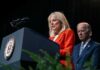
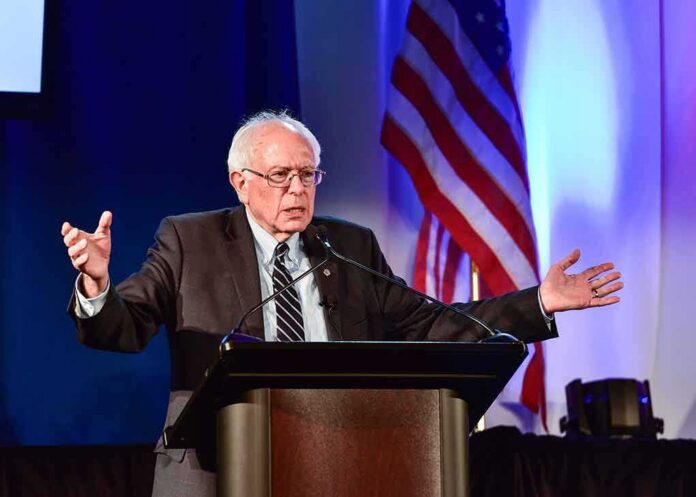
Event listings and advisories said Senator Bernie Sanders spoke Monday at Riverside Church in New York City, branding the program “We Shall Not Be Moved.” The timing matched the arrival of world leaders for the United Nations General Assembly, placing his remarks in a global spotlight. A public advisory previewed the address and underscored the venue’s history as a stage for moral arguments about war and peace, including speeches by Martin Luther King Jr. and Nelson Mandela.
Sanders framed the talk as a foreign policy speech that crosses borders and daily life. A social post from his account previewed themes of income inequality, oligarchy, climate change, and the risks from artificial intelligence, calling them global challenges that demand shared solutions. Spanish-language coverage reported that his remarks also pressed for changes to military spending and aid, linking budgets and war costs to poverty and instability across regions.
Core Message: Link Foreign Policy to Concentrated Wealth and War
Published text of the speech laid out a consistent case: people are tired of a status quo that concentrates wealth and power while conflicts grind on. The draft tied United States choices on military aid and regional wars to a broader crisis of democracy and living standards. The argument urged a pivot toward diplomacy, development, and climate resilience as security tools, not just add-ons to defense. The goal was to fuse foreign and domestic priorities around fairness and stability.
Coverage described sharp lines about the costs of endless conflict and the need to reset United States leverage abroad. The message cast global inequality and climate shocks as fuels for unrest that pull America back into crises. It also warned that rapid advances in artificial intelligence could supercharge surveillance, disinformation, and autocracy if rules and shared norms lag behind. Sanders presented these threats as linked, not separate silos, and called for coordinated action with allies.
Riverside’s History Amplifies the Speech’s Moral Frame
Riverside Church’s past raised the stakes. In 1967, Martin Luther King Jr. used the same sanctuary to break with the Vietnam War and to connect peace abroad with justice at home, a link that shaped debate for years. Advisories for Sanders’s event cited that tradition, inviting listeners to hear his points as part of a longer American argument about power, war, and moral duty in foreign affairs. The setting signaled that values, not just tactics, were at issue.
That symbolism also explains why reactions travel fast across media lanes. Outlets promoted the live stream as a major foreign policy address, putting the focus on venue, timing, and theme rather than event trivia like head counts. The mix of social previews, text publication, and international summaries reflects how modern speeches spread: clips and excerpts reach different audiences, while the full case aims to set terms for the week’s UN meetings.
Why This Matters Across the Political Spectrum
The address spoke to frustrations felt by many Americans, left and right. Voters see rising prices, endless wars, and leaders who seem distant from daily struggle. By tying foreign policy to living costs, border stability, and energy security, the speech pushed a debate that both parties claim to own. Conservatives hear concerns about sovereignty and waste; liberals hear calls for rights and fairness. Both hear a demand for results, not slogans.
"Sen. Sanders (I-VT) Delivers Foreign Policy Speech Ahead of U.N. General Assembly
Ahead of the United Nations General Assembly, Sen. Bernie Sanders (I-VT) delivers a foreign policy address at New York City's historic Riverside Church."https://t.co/YKTa0ZQiZw— Conrad Hubbard (@conradhubbard) September 22, 2026
As Congress and the White House set budgets, these themes matter. Choices on military aid, climate spending, and technology rules shape jobs, prices, and safety at home. Sanders’s message challenged lawmakers to align those choices with clear goals the public can track. With world leaders in New York, the question is simple: will United States policy lower the risk of war and raise the odds of dignity and work for ordinary people, here and abroad?
Sources:
facebook.com, thenation.com, foxbusiness.com, forth.news, eldiario.es
© patriotwise.com 2026. All rights reserved.