
A courtroom and a college were hit by drones as Sudan’s currency plunged, pushing civilians into deeper danger and poverty.
Story Highlights
- Drones struck a courthouse in Um Ruwaba and a college in al-Obeid, killing and injuring civilians.
- The Sudanese pound lost nearly half its value in army-held areas since summer, spiking prices.
- Import bans and split currencies signal a war economy squeezing families on both sides.
- Analysts link gold and informal markets to ongoing arms and drone purchases fueling the war.
Drone Strikes Hit Civic Spaces In North Kordofan
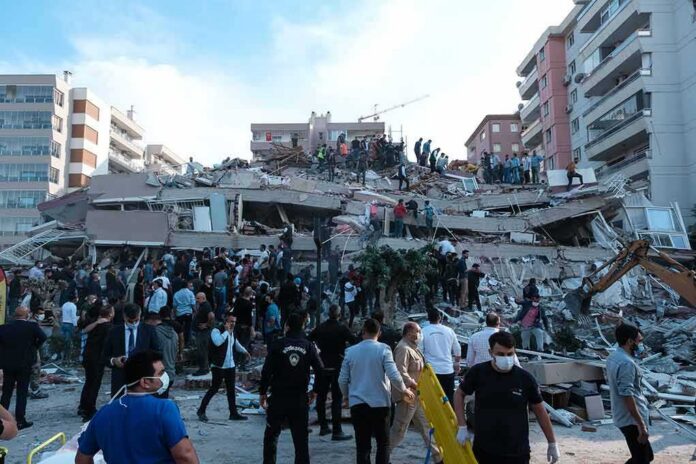
Reuters reported that on September 8, a drone hit a crowded courtroom in Um Ruwaba, North Kordofan, killing about 10 people and injuring dozens, according to Emergency Lawyers. The next day, another drone struck a college in al-Obeid, killing a security guard and damaging eight classrooms, the dean said. Residents told reporters that attacks have increased and daily life has been disrupted. These strikes show how the fight is reaching places where civilians gather.
Local media and monitors echoed the pattern. A conflict desk noted at least 13 killed in the courthouse attack, underscoring shifting tallies common in war zones. A British outlet said more than two dozen drones hit al-Obeid in June, and the army struggled to stop them. These reports show sustained pressure on government-held towns. For families, markets, schools, and courts no longer feel safe, and that fear drives more displacement and loss.
Currency Collapse Deepens Daily Hardship
While drones target the skyline, money is failing on the ground. Reuters reported the Sudanese pound shed nearly half its value since summer in army-held areas, making food, fuel, and rent harder to afford. People trying to rebuild face soaring prices and shortages. Shops struggle to restock, and wages buy less each week. A falling currency means savings vanish, debts swell, and families skip meals to cover transport and medicine, if they can find either.
Authorities tried to slow the slide by banning dozens of imports, from food items to consumer goods. The move aimed to protect scarce dollars and reduce pressure on the pound. But fewer imports often mean fewer choices and higher prices. Rival areas issued or circulated different banknotes, adding confusion and blocking trade across front lines. This fragmentation traps goods and cash in local pockets and makes every trip to market a gamble on rates and availability.
War Economy Fuels The Cycle, Civilians Pay The Price
Analysts describe a “war economy” shaping choices on the battlefield and in shops. Research linked gold revenue and informal markets to the ability of both sides to buy weapons and drones. That flow of money keeps the fighting supplied and extends the conflict. Meanwhile, families face power cuts, clinic closures, and school disruptions. The longer the economy runs outside normal rules, the more prices swing and the less people can plan for next week, let alone next year.
The pattern is familiar in modern wars. As drones expand reach, they strike beyond trenches and bases. As currencies split and inflation spikes, basic goods drift out of reach. For Sudan’s civilians, this double hit means less safety, less income, and fewer exits. People in American towns may see echoes here: when leaders chase power and revenue streams, the public bears the cost. The lesson is simple and hard—when systems fail, everyday life breaks first and heals last.
What This Means And What To Watch Next
Watch for more drone use against cities, as it pressures supply roads and morale without large troop surges. Expect more currency moves and trade limits as authorities try to conserve dollars. Look for signs of local currencies or barter, which would show deeper fragmentation. Any talks that curb drone access or stabilize cash could ease the crisis fast. Until then, people in North Kordofan and beyond will face the harsh math of fear plus inflation.
Sources:
youtube.com, reuters.com, us.headtopics.com, bbc.com, internazionale.it, usnews.com
© patriotwise.com 2026. All rights reserved.